City Guide
Kamburugamuwa, Sri Lanka
A quiet south-coast base for self-directed work, field research, and long-form projects
Why Kamburugamuwa works for artists
Kamburugamuwa sits on Sri Lanka’s south coast, between Matara and the better-known surf and tourist zones of Mirissa and Weligama. It’s technically a village, but it plugs into a larger coastal strip with beaches, fishing communities, guesthouses, and easy bus and train links.
Artists usually choose Kamburugamuwa not for a big arts scene, but for the mix of quiet and access. You get calm, residential surroundings and a strong coastal landscape to work with, while Mirissa, Madiha, Matara, and Weligama cover most day-to-day needs: food, supplies, print shops, transport.
If your practice likes long walks, sound recordings, slow observation, or focused writing time, this area makes sense. If you need fabrication labs, daily critiques, and packed opening nights, you’ll probably use Kamburugamuwa as a making base and show work later in Colombo or abroad.
Daro’s Enclave: the key residency in Kamburugamuwa
Right now, the anchor for artists in Kamburugamuwa is Daro’s Enclave, listed with Artist Communities Alliance and on Reviewed by Artists as a self-directed residency.
Quick profile
Type: self-directed residency / private ancestral home
Location: 229/A, Egodawaththa, Kamburugamuwa 81750, Sri Lanka
Stay length: usually 1–6 months
Who it’s for: researchers, writers, artists, and independent professionals who need a real base in the south
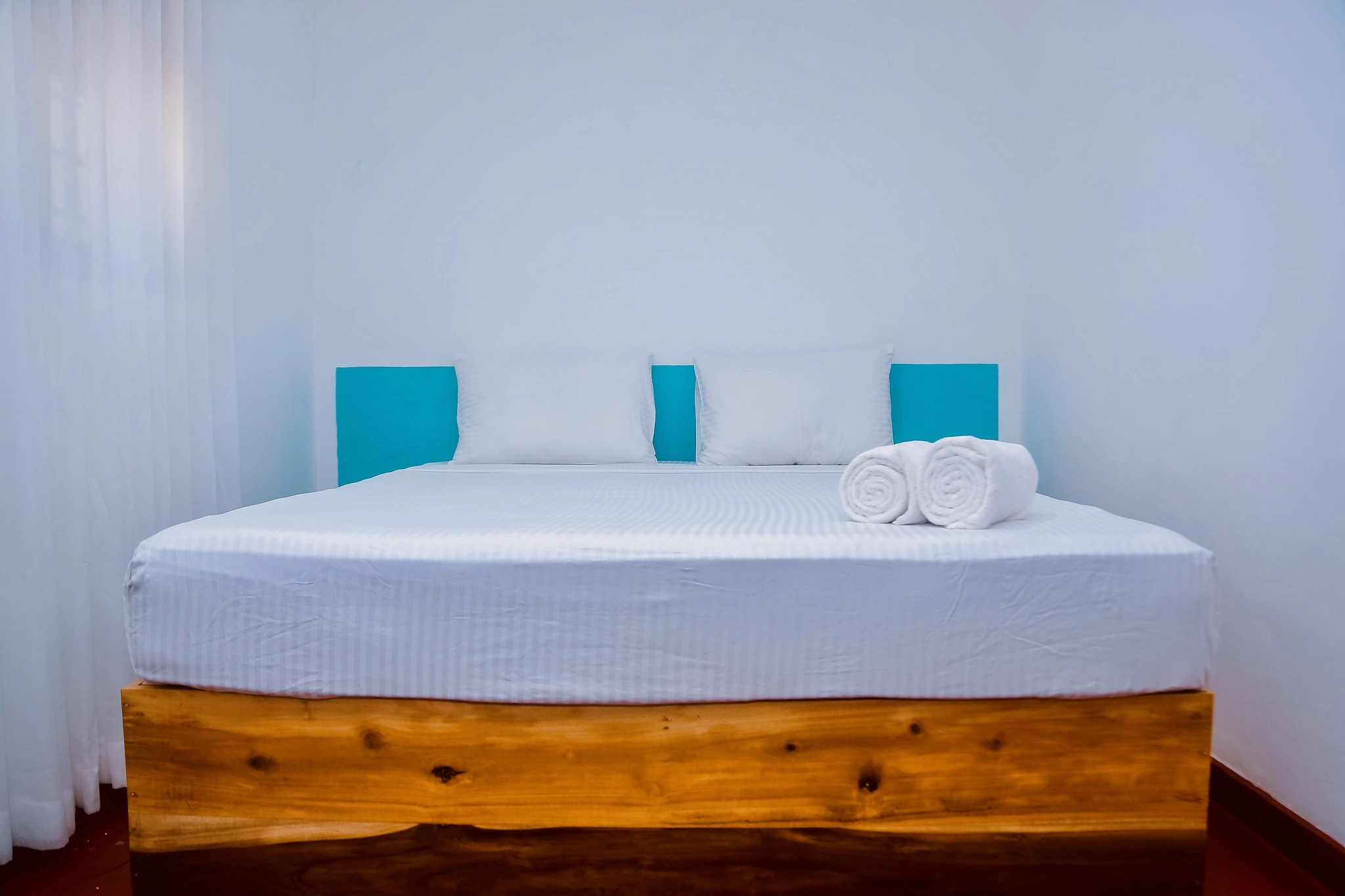
It’s a recently renovated ancestral villa on about 60 perches of land, with 2 bedrooms and 1 bathroom. The house is roughly 600m from the beach, near Mirissa and Madiha, and functions as a private whole-villa rental for individuals or small groups.
What the residency actually feels like
Daro’s Enclave is closer to a peaceful live-work hideout than a highly programmed residency. There’s no resident curator, no required workshops, and no built-in exhibition schedule. You’re basically getting:
- A quiet, home-like space where you can sleep, cook, and work
- Outdoor and indoor environments for fieldwork, note-taking, sketching, or laptop-based work
- A base to reach nearby beaches, fishing communities, and Matara’s town infrastructure
This suits artists who already know what they want to work on and don’t need hand-holding. If you’re finishing a manuscript, building a research archive, editing a film, or laying down a body of drawings or writing, this kind of set-up can be ideal.
Who tends to thrive at Daro’s Enclave
- Writers and researchers using the south coast as a field site or needing uninterrupted reading and writing time.
- Artists working small-to-medium scale (drawing, photography, sound, video, performance, conceptual work) that doesn’t need a big fabrication studio.
- Digital and independent professionals who want to keep remote work going while also building a project in Sri Lanka.
- Small groups of collaborators who want to share a house, split costs, and run an intensive working retreat together.
If you’re looking for mentorship, community projects arranged for you, or guaranteed exhibitions, you might feel under-stimulated here. If you’ve been craving time and space away from shows, teaching, and deadlines, it can be exactly what you need.
Practical details to clarify with them
Before committing, ask very specific questions about the working environment. Some good checks:
- Work surfaces: Are there large tables or only dining desks? Can you rearrange furniture?
- Light and ventilation: Where is the best natural light? Are there fans? Screens on windows?
- Humidity and storage: If you work on paper or with electronics, ask about damp, mold, and safe storage for works in progress.
- Internet: What is the typical download/upload speed? Is the connection stable enough for video calls and large file transfers?
- Noise: How close are roads, temples, or construction? Expect some village sound (roosters, dogs, loudspeakers) and consider how that fits your practice.
For stays of 1–6 months, also discuss cleaning, laundry, access to drinking water, and how power cuts are handled. Bring any specialised materials that will be hard to source outside Colombo.
How to contact and apply
Daro’s Enclave lists contact details via the Artist Communities Alliance directory and Reviewed by Artists:
- Email: darosenclave@gmail.com
- Phone: +94 76 748 8404
Because the residency is self-directed and hosted in a private home, the “application” is usually more of a conversation than a formal open call. Expect to share:
- A short description of your practice and what you want to do during the stay
- Preferred dates and length of stay
- How many people will be living and working at the house
- Any special needs (access, studio setup, equipment)
It helps to be clear about your working rhythm, so the host can assess whether the place fits what you’re imagining.
Daily life in and around Kamburugamuwa
Think of Kamburugamuwa as a quiet base plugged into a busier coastal strip. Your daily routine might be: early morning work, midday break when it gets hot, beach or errands in the late afternoon, then a second work block in the evening.
Nearby areas artists actually use
- Mirissa: A nearby beach town with cafes, guesthouses, whale-watching boats, and plenty of visitors. Good for a change of scene and people-watching.
- Madiha: Smaller and quieter, with surf breaks and low-key stays. Nice if you want the ocean without big crowds.
- Matara: The local city for practical things: banks, clinics, hardware, printing, stationery, and the big transport hub.
- Weligama: A bit further but popular with digital nomads and surfers; co-working spots and more international food options tend to cluster there.
This mix lets you choose your level of social exposure. You can stay mostly in the village and only head out when you need supplies or a new café, or you can build in regular trips to busier towns.
Cost of living for artists
Compared with capital cities in many countries, Kamburugamuwa is relatively affordable, especially if you’re staying for a longer stretch.
- Food: Simple local meals (rice and curry, roti, kottu) are usually inexpensive. Cafes in Mirissa and Weligama are pricier but still manageable on an artist budget if you don’t eat every meal out.
- Transport: Tuk-tuks for short rides add up if used every day, but buses along the coast are very cheap. Budget extra if you’ll be commuting regularly between beaches, town, and your studio base.
- Housing: A private villa or self-contained place like Daro’s Enclave will cost more than a basic guesthouse, but the trade-off is reliable workspace, kitchen access, and privacy.
- Materials: Basic stationery and some paints are usually available locally, but specific brands, film, specialty papers, or electronics are better brought with you or sourced from Colombo.
If you treat your residency as both housing and studio, and cook at home most days, costs stay reasonable compared with many international residency hubs.
Transport: getting there and getting around
Kamburugamuwa lies on the south coast transport corridor, so access is straightforward once you’re in Sri Lanka.
- From Colombo: Most artists come down either via the southern expressway by car or bus, or by train along the coast. The journey is typically a few hours depending on route and traffic. Local arrival: You’ll usually get off in Matara or at a nearby rail stop, then take a tuk-tuk or taxi to Kamburugamuwa.
- Day-to-day movement: Tuk-tuks are the main short-distance option. Some artists rent scooters if they’re licensed and experienced, but road conditions and traffic require caution.
Before you arrive, ask your residency host about airport pickup, typical tuk-tuk costs between key points, and how easy it is to reach shops, doctors, or print services without a car.
Working conditions and practical planning
South Sri Lanka is generous with light and atmosphere, but it also comes with heat, humidity, tropical downpours, and occasional power or connectivity issues. Planning around these realities keeps your residency productive instead of frustrating.
Studios and workspaces
Daro’s Enclave operates as a live-work space rather than a separate, purpose-built studio complex. For many artists this is enough, especially for drawing, writing, digital work, or portable practices. To get the most out of it, think about:
- Indoor vs outdoor work: You may find early mornings, shaded verandas, and nights most comfortable for concentrated work.
- Scale: If you work large, ask whether you can use walls, floors, or outdoor areas without worrying about rain or humidity damage.
- Storage and packing: Plan how you’ll store and later ship or transport finished works, especially if they’re sensitive to climate.
- Sound: The coastal environment is rich for field recordings. Bring a decent recorder if sound is part of your practice.
If you need specialised facilities (kilns, metal workshops, large-format print, darkrooms), you’ll likely produce research, sketches, and prototypes in Kamburugamuwa, then realize final works elsewhere.
Galleries and showing work
Kamburugamuwa isn’t a gallery hub. Most formal exhibitions happen in bigger centers like Colombo or through structured residencies elsewhere in Sri Lanka, such as Krinzinger’s program in Wathuregama or Suramedura in Hikkaduwa.
That said, you can still build in lightweight public moments:
- Ask your host about informal open studio days with local friends, neighbours, or visiting artists.
- Explore whether cafes, guesthouses, or community venues nearby might host small presentations or screenings.
- Use the residency to develop work for later exhibitions in Colombo, your home city, or online.
If exhibition outcomes are crucial for funding or career development, combine Kamburugamuwa with another, more structured residency or a planned show once you return.
Visas and admin
Artists visiting Sri Lanka usually enter on tourist visas, sometimes extended locally depending on length of stay and nationality. For a 1–6 month residency, you should:
- Check current visa rules through official Sri Lankan immigration channels or a consulate before committing.
- Confirm with the residency if they can issue a formal invitation letter to support your application or any extensions.
- Clarify whether your planned activities (research, unpaid exhibitions, workshops) fit under a tourist stay or need a different permit.
If your visit includes paid teaching, commissions, or ticketed performances, treat that as a separate legal question and get clear guidance well in advance.
Connecting Kamburugamuwa with other Sri Lanka residencies
Some artists use Kamburugamuwa as a quiet base, then link it with other residencies on the island for more structure or visibility.
Krinzinger Residency Sri Lanka (Ahungalla)
The Krinzinger residency in Wathuregama, Ahungalla is run in collaboration with the one world foundation and typically hosts artists for 2–3 months. It’s an invited program rather than an open application. Residents develop projects on site, present a small local exhibition, and later show the work in a group exhibition at Krinzinger Schottenfeld in Vienna.
This suits artists who want:
- Institutional support and visibility tied to a European gallery
- A structured residency cycle with clear outcomes
- Space to explore socially engaged or site-responsive work
If you’ve already spent time in Kamburugamuwa doing research or making, that groundwork can feed directly into a more formal program like this.
Suramedura International Artist Residency (Hikkaduwa)
Suramedura, based in Hikkaduwa, combines studio time with mentorship, peer exchange, and engagement with local artists and communities. Residents often share work at the start and end of their stay, and there are partnerships with institutions in the UK.
It’s a good fit if you want:
- Dialogue and feedback with peers and mentors
- Community-based or research-driven practice with built-in local links
- Some structure, but still enough time for independent work
A possible strategy is to use a self-directed period in Kamburugamuwa to test ideas and gather materials, then join a program like Suramedura to contextualize that work in dialogue with local practitioners.
Studio Macushla Sanctuary (Muruththena)
Studio Macushla Sanctuary, inland at Muruththena, offers private-room accommodation and a large studio on a 30-acre property near rainforest and tea plantations. Stays run from about a week to three months and the program is open to artists of all ages and genres.
It’s especially useful for:
- Retreat-style intensives and group workshops
- Artists who want lush nature and fewer urban distractions
- Short, focused periods of production or experimentation
If you like alternating between the coast and the hills, you can structure your time across both locations for different phases of a project.
Is Kamburugamuwa right for your practice?
Kamburugamuwa makes sense if you’re looking for a quiet coastal base and you’re comfortable designing your own residency structure. It works especially well if:
- Your project involves writing, research, drawing, photography, sound, or editing.
- You want a place to live and work in the same space without daily program demands.
- You like having access to beaches, village life, and field sites, while still reaching cafes and services when needed.
- You plan to present the work later elsewhere rather than needing an exhibition on site.
You might want to look elsewhere or combine it with other programs if you need:
- A structured curriculum with regular critiques and assignments
- Heavy production facilities (ceramics, metal, large-scale fabrication)
- A daily international peer community in the same building
- Guaranteed gallery shows and institutional contacts on site
If the idea of designing your own schedule, cooking your own meals, and building a project in dialogue with the coast appeals to you, Kamburugamuwa — and especially Daro’s Enclave — is worth serious consideration.
How to use this guide
To get the most out of Kamburugamuwa as an artist:
- Map your project into phases: research, making, reflection, and presentation.
- Use the self-directed time on the coast for the phases that need depth and slowness.
- Pair it with a more structured residency or exhibition elsewhere for public outcomes.
- Before committing, ask precise questions about workspace, climate, connectivity, and logistics.
If you want to see how other artists have used Daro’s Enclave and nearby programs, check the listings and reviews on Reviewed by Artists and the Artist Communities Alliance directory. Reading those side by side with your own project notes will tell you quickly if this corner of Sri Lanka matches what you actually need.