City Guide
Kamburugamuwa, Sri Lanka
Quiet coastal base, self-directed residencies, and how to actually work here as an artist
Why Kamburugamuwa works as a base for artists
Kamburugamuwa sits on Sri Lanka’s southern coast, just west of Matara and close to better-known names like Mirissa, Weligama, and Madiha. Think small residential town, not gallery strip. That’s exactly why it works for a lot of artists.
The draw here is less about institutional art infrastructure and more about rhythm and location:
- Quiet coastal setting that actually lets you focus
- Quick access to beaches for breaks, walking, photography, and sketching
- Connection to a broader south coast corridor (Mirissa, Weligama, Ahungalla, Hikkaduwa, Galle, Matara)
- Lower-key, self-directed environments instead of tightly programmed residencies
- Realistic cost of living compared with big global art cities
Kamburugamuwa suits artists who want to work, not just hop between events. It works especially well if your practice leans toward:
- Writing and research
- Drawing, painting, or print-based work that doesn’t need heavy equipment
- Photography and film, especially location-based projects
- Fieldwork and site-responsive practice along the southern coast
- Planning, editing, or reflective phases of long-term projects
The art “scene” here is spread out. You plug into a regional ecosystem: quiet work days in Kamburugamuwa, with occasional trips to Mirissa, Matara, Galle or Colombo when you need people, materials, or exhibitions.
Daro’s Enclave: the main residency in Kamburugamuwa
Daro’s Enclave is the residency you are most likely looking at if you’re considering Kamburugamuwa.
Location: 229/A, Egodawaththa, Kamburugamuwa, Southern Province, Sri Lanka
Type: Self-directed residency in a private family home
Typical stay: about 1–6 months
Who it’s for: artists, writers, researchers, and independent professionals needing a base in the south
What the place is actually like
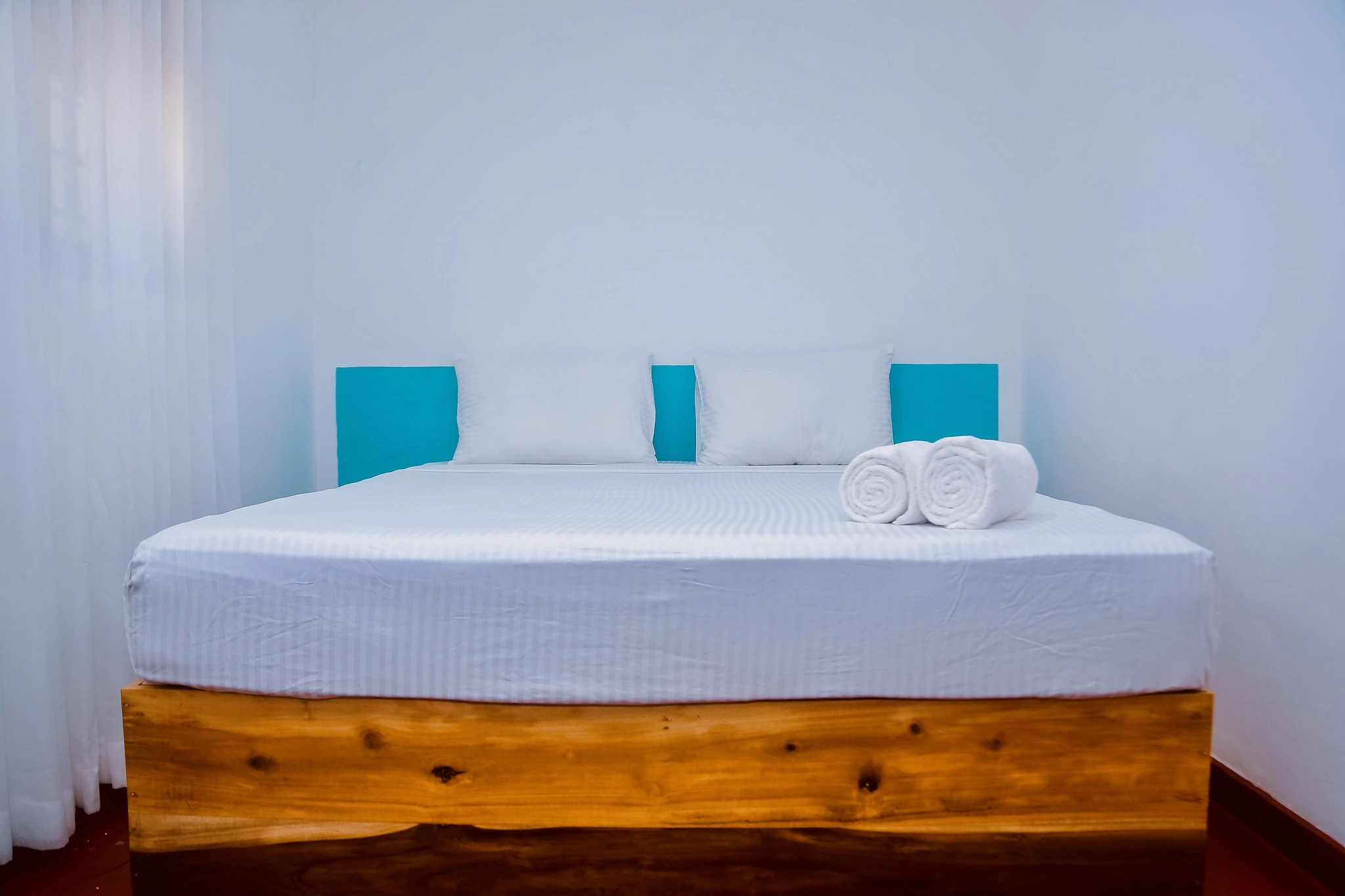
Daro’s Enclave is described as a recently renovated ancestral villa on around 60 perches of land (a generous plot in Sri Lankan terms). It functions as a whole-villa stay rather than a dorm-style residency. According to the residency listing on Reviewed by Artists, the house has:
- 2 bedrooms
- 1 bathroom
- Its own garden area
- A location roughly 600m from the beach
This sets it up nicely for:
- Small groups (duos, collectives, or families)
- Solo retreats where you still have space to spread out
- Longer stays where a home base makes more sense than a hotel room
The vibe is “live here and work” rather than “program every day with presentations and critiques.” You are responsible for structuring your own time, which can be exactly what you need if you are deep in a specific project.
How artists tend to use Daro’s Enclave
Because the residency is self-directed, artists usually treat it as:
- A writing base: books, theses, scripts, and long-form essays
- Research HQ: if you are moving around the south coast for interviews, field visits, or documentation
- Production base for light-medium studio work: painting, drawing, collage, digital work, sound editing
- Photography and film base: where you charge gear, edit, and plan shoots along the coast
You are close to Mirissa and Madiha beaches, so you can work in the house, then step out for walks, swims, or visual research. Matara is accessible for errands and transport, and Galle is reachable for occasional trips if you want more cultural infrastructure.
Who Daro’s Enclave suits best
You will probably enjoy Daro’s Enclave if you:
- Prefer independent work over structured group critique
- Are comfortable setting your own schedule for research and production
- Want a longer, slower residency rather than an intense 2–3 week sprint
- Have a practice that doesn’t rely on heavy machinery, big fabrication, or specialized equipment
- Are happy using living spaces as studio zones (tables, floors, verandas)
It’s less ideal if you need:
- A formal studio complex with multiple artists on site
- A dense schedule of talks, visiting curators, and public outputs
- Fully funded support, stipends, or production grants as a core requirement
How to think about costs and logistics here
Daro’s Enclave provides housing. Outside of that, you should plan for:
- Food: cooking at home with groceries from local markets or shops in Matara vs eating out in beach cafés
- Transport: tuk-tuks, buses, and occasional taxis; possibly long-distance trips to Galle or Colombo
- Materials: basics might be sourced locally, but specialized art supplies are more likely to be found in Matara, Galle, or Colombo, so factor in time and travel
- Connectivity: local SIM card and data (usually reliable enough along the south coast)
Since the villa is private, you can set up work zones where you like. If you need large-scale workspaces, ask in advance what areas are usable for painting, installation, or outdoor projects.
Other residencies in Sri Lanka to compare with Kamburugamuwa
When artists look at Kamburugamuwa, they often compare it with other Sri Lankan residencies to check which context fits their project better. Here are two that often come up in the same discussions.
Studio Macushla Sanctuary (Muruththena)
Location: Muruththena / Koththalena area, inland with rainforest and tea-plantation surroundings
Type: Artist residency and retreat with a large studio
Typical stay: around 7 days to 3 months
Studio Macushla Sanctuary, listed on platforms like Res Artis and Reviewed by Artists, offers:
- Accommodation in private rooms
- A spacious, dedicated studio (around 120 m² is mentioned)
- Indoor and outdoor working areas with rainforest and tea views
- A retreat-like atmosphere suited to deep focus
This is ideal if you want:
- Immersion in nature rather than a coastal town
- Ample studio space for larger works or group workshops
- A more secluded setting with fewer distractions and less tourist flow
Compared with Daro’s Enclave, Macushla is more obviously a “studio in nature” situation. Kamburugamuwa, by contrast, balances quiet living with easy access to beaches and the wider south coast.
Krinzinger Residency Sri Lanka (Ahungalla / Wathuregama)
Location: Wathuregama, near Ahungalla on the southwest coast
Type: International artist residency connected to Galerie Krinzinger and the One World Foundation
Typical stay: around 2–3 months
This residency model is more structured and institutionally connected. Artists usually:
- Develop a substantial body of work during the stay
- Present it in a local showing on site
- Later participate in a group exhibition at Krinzinger Schottenfeld in Vienna
Compared with Daro’s Enclave:
- Krinzinger is: curated, funded or partially supported, and tied to a gallery network with clear exhibition outcomes
- Daro’s Enclave is: self-directed, housing-focused, with outcomes you define yourself
If you want a quiet base to build or refine a long-term project on your own terms, Kamburugamuwa makes sense. If you are seeking an externally curated career step with built-in exhibition pathways, Krinzinger is closer to that.
Living and working in Kamburugamuwa as an artist
Once you have housing sorted, the real questions are: How easy is it to live, move around, get materials, and connect?
Cost of living and daily rhythm
Costs in Kamburugamuwa vary based on how you live, but general patterns look like this:
- Food: Local rice-and-curry spots and produce markets are significantly cheaper than beach cafés aimed at tourists. Cooking at home will keep costs down.
- Transport: Tuk-tuks are the go-to for short trips. Buses and trains along the coast are very affordable. Private cars or taxis are useful for airport transfers or hauling materials.
- Materials: Everyday supplies might be found locally, but anything specialized (pigments, specific papers, camera accessories, electronics) is more reliable in Matara, Galle, or Colombo.
- Connectivity: Local SIM cards and data packages are straightforward to set up. Wi-Fi quality can vary, so ask your host what’s typical on site.
The daily rhythm for many artists ends up being:
- Mornings: deep work while it’s cooler
- Midday: rest, admin, or shorter tasks
- Late afternoon: walks, swimming, field observation, or photography
- Evening: reading, editing, writing, drawing
Nearby towns and what they are good for
It helps to think of Kamburugamuwa as one node in a chain of coastal towns. Each has its own use for artists.
- Kamburugamuwa itself: Residential, quieter, easy access to the shoreline. Good for focus and day-to-day routines.
- Mirissa: More cafés, guesthouses, and visitors. Handy if you want a more social scene, places to write outside the house, or to meet travelers and creative workers passing through.
- Madiha: A chilled surf and stay area, slightly calmer than Mirissa. Nice for breaks and visual research along the coast.
- Matara: Nearest main town for administrative errands, bus and train connections, and bigger shops.
- Weligama: Surf-town with cowork-style cafés, creative freelancers, and more services. Good for those who want a mix of work and social energy.
- Galle: Heritage fort area, galleries, and more visible tourist-art overlap. Useful for seeing shows, doing research on cultural history, or meeting other practitioners.
Art infrastructure and community connections
You will not find a packed directory of galleries based specifically in Kamburugamuwa. Instead, think about plugging into:
- Southern coastal networks: informal communities of photographers, writers, designers, and surfers who base themselves along Mirissa–Weligama–Madiha.
- Regional art spaces: occasional shows, project spaces, and initiatives in Matara and Galle, plus more established galleries and institutions in Colombo.
- Residency networks: spaces such as Studio Macushla Sanctuary, Śūnyatā Studios Sri Lanka in Nilwella, or Krinzinger residency in Ahungalla, which together form a loose ecosystem of artist stays in the south.
If community is important for your project, ask your host in advance about:
- Local artists they can introduce you to
- Any small galleries or cultural centers currently active in Matara or Galle
- Possibilities for informal studio visits or small presentations
Many outcomes in this region are self-organized: a casual open studio, a small gathering, or a sharing of works-in-progress with neighbors, rather than big public openings.
Getting there, visas, and practical admin
Practical logistics matter as much as inspiration when you are planning a residency.
How to get to Kamburugamuwa
Most artists arrive via Sri Lanka’s main international airport near Colombo. From there, you can reach Kamburugamuwa by:
- Train: Coastal line heading towards Matara. Trains are scenic and affordable. From the nearest station, take a tuk-tuk to your residency.
- Bus: Intercity buses head down the southwest and southern coast. This is the cheapest option but can be crowded.
- Private car or taxi: The easiest if you are traveling with luggage or equipment. You can often arrange this through your host.
Once you are based in Kamburugamuwa:
- Tuk-tuks handle most short trips
- Buses move you between smaller towns
- Trains are useful for longer hops along the coast
- Some long-stay artists rent scooters where legal and safe to do so
Visa basics for residencies
Visa options depend heavily on your passport and the length of your stay. A few practical points to keep in mind:
- Short stays are often possible on a tourist entry or electronic travel authorization, but always verify current rules before booking.
- Longer stays, or projects involving teaching, paid performances, or institutional contracts, may require a different visa category.
- Ask your residency host whether they can provide an invitation letter or any supporting documentation.
- Check that your passport validity, onward travel, and insurance all align with your intended stay.
Residencies that are informal or housing-based do not automatically change your visa status. If in doubt, confirm with official immigration guidance or your consulate.
When Kamburugamuwa is a good fit for your practice
Kamburugamuwa works especially well if you want:
- A quiet, coastal living situation with just enough infrastructure nearby
- Self-directed time for research, writing, editing, or planning a big project
- Access to the south coast for fieldwork, photography, or site-specific explorations
- A base for 1–6 months where life is logistically manageable and not overly expensive
It is less ideal if you require:
- Heavy fabrication equipment and a technical team
- Continuous public programming and dense gallery visits
- Fully funded residency conditions with stipends and institutional grants built in
If you want to work quietly, set your own pace, and still have beaches and regional art networks within reach, Kamburugamuwa is a strong option. If you are looking for a more structured, gallery-tied experience, using Kamburugamuwa as a base while also connecting with places like Krinzinger's residency, Colombo-based initiatives, or inland studios such as Macushla Sanctuary can give you both focus and professional visibility.
Explore Sri Lanka
More city guides
Opportunity Intelligence
Ready to find your next residency?
Get a personalized shortlist — scored against your practice, discipline, and what you need right now.
See how Intelligence works →