
City Guide
Ilhabela, Brazil
How to make the most of a nature-heavy, studio-light island as an artist in residence
Why Ilhabela works so well as a residency base
Ilhabela is an island off the north coast of São Paulo state, facing São Sebastião across a short ferry crossing. The island is mostly covered in Atlantic rainforest (Mata Atlântica), with beaches, waterfalls, and steep green mountains dropping into the ocean. The pace is slower than São Paulo city, and that is exactly why residencies choose it.
For artists, Ilhabela offers a pretty specific combination:
- Isolation with access: It is far enough from urban routine that you can actually switch off, but close enough to São Paulo that you can still source materials or connect with the larger art scene before or after your stay.
- Nature as context and material: Coastal trails, waterfalls, boat trips, and dense forest are daily reality here. Projects around ecology, tourism, climate, soundscape, and site-specific work tend to find a natural home.
- Small-scale social fabric: People cross paths repeatedly. That makes it easier to build relationships with local communities, municipal culture workers, guides, and small businesses.
Historically and culturally, the island is shaped by Indigenous presence, Portuguese colonization, Afro-Brazilian histories, and a long maritime and tourism story. For projects tied to territory, migration, race, or environmental narratives, Ilhabela gives you layered ground to work with, not just pretty scenery.
Key artist residency: Casa na Ilha
The main structured artist residency associated with Ilhabela in recent years is Casa na Ilha.
- Official name: Casa na Ilha Art Residency
- Location: Ilhabela, São Paulo, Brazil (with past addresses pointing to Siriúba on the north of the island)
- Website: casanailha.org
- Network listing: on Res Artis and other residency directories
Format and structure
Casa na Ilha is usually described as a multidisciplinary, self-directed residency. The program is designed as a retreat: you arrive with a project (or at least a focus area), and the structure is kept light so you can work.
- Typical length: about 2–4 weeks
- Disciplines: open to all fields (visual arts, writing, performance, sound, curatorial, research-based practice, etc.)
- Profile: welcomes both established artists and emerging artists with a clear practice
- Capacity: listings mention up to around seven artists at a time, which keeps the group intimate
The residency does not usually run on a strict daily schedule. Think more along the lines of: shared arrival date, shared house, optional conversations and critiques, and occasional public-facing moments, rather than a tightly programmed, institutional rhythm.
Space, studios, and daily life
Casa na Ilha is based in a house built above sea level with views of the Atlantic. While specifics can shift from year to year, descriptions from multiple sources align around:
- Accommodation: private or shared bedrooms in a spacious house, often with shared kitchen and living areas.
- Workspaces: a mix of indoor studio areas and outdoor work spots including decks, balconies, gardens, and plain air areas. Some artists work at large tables, others set up in their rooms.
- Facilities: Wi‑Fi, basic furniture for work, and access to areas suitable for performance, movement, or outdoor practices.
- Services: weekly cleaning and linen changes are commonly included, which reduces mental load and lets you focus on work.
The core idea is that you live and work in the same environment: you might write on the balcony in the morning, hike to a waterfall in the afternoon for research or filming, and come back to shared dinners and conversations with other residents.
Program support and expectations
Casa na Ilha positions itself as a space for focused work and exchange, not an academic program. You usually get:
- Self-directed time: there is no fixed class schedule; you manage your own days.
- Guidance on request: organizers and tutors can offer feedback, discuss your project, or help you connect with local context if you ask for it.
- Public engagement options: depending on the period, you may be invited to give a talk, show work-in-progress, or interact with local community partners.
The residency expects artists to arrive with a sense of purpose. You do not need a fully resolved project, but you should have clarity about what you want from those weeks: research, drafting, prototyping, editing, or immersion.
Who Casa na Ilha suits best
This kind of residency is usually a strong fit if you are looking for:
- Focus time: you need uninterrupted hours for writing, drawing, editing, or reflection.
- Nature-heavy context: your project is tied to ecology, water, soundscape, or site-specific work, or you simply recharge better in green spaces than in cities.
- Peer exchange in a small group: you like informal conversations with a handful of artists rather than big cohorts.
- Flexible structure: you prefer designing your own schedule over taking part in mandatory workshops all day.
It is less ideal if you require heavy fabrication equipment, a large production budget, or a dense gallery circuit right outside your door. Think of Casa na Ilha as a working retreat rather than a production factory.
Practical questions to ask the residency
Descriptions in different directories sometimes vary, particularly around geography (some older wording references broader Brazilian landscapes), facilities, and what is included in fees. Before committing, it is smart to email specific questions:
- Exact location: confirm the current address and neighborhood on the island.
- Housing details: private vs. shared rooms, kitchen use, and whether meals are included or self-catered.
- Studios: how much dedicated space you will have, and whether it suits your scale of work.
- Costs: program fees, what is included, and what you need to cover separately (meals, local transport, materials).
- Accessibility: stairs, terrain, and how easy it is to reach the house from the ferry or bus stops.
- Public outcomes: if you are hoping for an exhibition, talk, or open studio, ask how this typically works.
Clear answers will help you plan realistically and avoid surprises once you land on the island.
How Ilhabela actually feels to work in
Beyond residency brochures, it helps to think through how your daily routine will play out on Ilhabela as an artist.
Cost of living and budgeting
Ilhabela runs on tourism, so prices shift with the season and proximity to the beach. If your residency covers housing and workspace, your main costs are likely to be:
- Food: cooking at home is the most budget-friendly. Supermarkets and local grocers exist, but imported items and eating out can add up quickly.
- Transport: rides, local buses, or car rental if you want to access remote beaches and trails often.
- Art materials: basic supplies might be available, but specialized materials are best purchased in São Paulo city before you travel.
- Excursions: boat trips, guided hikes, and other activities that might feed your research.
If your practice relies on specific inks, papers, electronics, or performance gear, plan to bring them in, and leave a little budget for last-minute replacements or adapters.
Areas and neighborhoods artists should know
Ilhabela is strung along the coast, so instead of a tight grid of neighborhoods, you get zones along the main road.
- Siriúba (north side): a quieter area with residential pockets and access to beaches and trails. Some residency addresses list Siriúba I. Good if you want calm and easy access to nature while still being a short ride from Vila.
- Vila (historic center): the island’s historic downtown, with restaurants, bars, small shops, and municipal cultural activity. Ideal for errands, people-watching, and occasional exhibitions or events.
- Perequê: a practical center for services, supermarkets, and everyday logistics. Less picture-postcard than Vila but often more convenient for shopping and transport connections.
- Southern stretches like Borrifos: more remote, scenic, and quiet. Great for total focus, less convenient for buying anything or heading to events on short notice.
As an artist, the main tradeoff is convenience versus solitude. Staying closer to Vila or Perequê makes life easier without a car. Staying farther north or south amplifies immersion in landscape but requires more planning for groceries and events.
Art spaces, community, and showing work
Ilhabela is not a gallery-saturated city. You are not going to step out into a corridor of white cubes. What you do have is:
- Residency-driven activity: open studios, informal showings, and talks organized by programs like Casa na Ilha.
- Municipal and cultural centers: spaces that occasionally host exhibitions, performances, or cultural weeks tied to tourism and local celebrations.
- Artist-led initiatives: small studios, workshops, and project spaces run by local artists and artisans.
If you are looking for collectors, dealers, and a concentrated contemporary art market, it makes sense to pair Ilhabela with time in São Paulo city. Treat the island residency as your production and research phase, then show or pitch the work later in larger urban contexts.
Getting there, moving around, and visas
How you actually arrive
The standard route to Ilhabela is:
- Travel to São Paulo city (usually by air).
- Go from São Paulo to São Sebastião by bus, car, or transfer.
- Take the public ferry from São Sebastião across to Ilhabela.
The ferry is a daily, local system used by commuters and visitors alike. At peak tourist times, expect longer waits and heavier traffic near the docks. Build buffer time into your arrival, especially if your residency expects you at the house at a specific hour.
Transport on the island
Once on Ilhabela, you mostly rely on:
- Car: either your own, a rental, or rides from fellow residents and locals.
- App-based rides and taxis: available but not as constant as big cities.
- Local buses: useful for predictable routes along the main roads, less so late at night or in very remote areas.
If you do not drive, consider:
- Staying within easier reach of Vila or Perequê.
- Asking your residency about typical transport patterns for artists.
- Planning how you will move with large canvases, instruments, or equipment long before you arrive.
Visa basics for short residencies
For many nationalities, short cultural stays in Brazil are handled under visitor or tourist entry, especially if you are not taking on local employment. That said, rules change and they depend on your passport.
Before committing to a residency in Ilhabela, you should:
- Check the current requirements on the website of the Brazilian consulate or embassy in your country.
- Confirm with the residency whether your stay is considered a regular cultural visit or involves any formal payments or contracts that might require a different visa type.
- Look at your planned length of stay; very short residencies are usually simpler than multi-month projects involving multiple institutions.
If you are combining Ilhabela with other Brazilian residencies or exhibitions, plan your documentation in one go so you are not improvising mid-trip.
Season, timing, and planning your project
Weather, tourism, and working conditions
As a coastal, tropical island, Ilhabela’s climate shapes your working conditions.
- Milder months (roughly autumn and winter in Brazil): often better for focused studio time and hiking-based research; the island is usually calmer and less hot.
- Hotter, wetter months (around peak summer): busier, louder, and more expensive. Ideal if you want to observe tourism dynamics or crowd-based behavior, less ideal if you suffer in heat or need silence.
Think about what your project needs. Sound artists might prefer shoulder seasons to avoid peak noise. Artists working with beach life and tourism might intentionally choose busier periods.
Application rhythm and how far ahead to plan
Residency calls for Casa na Ilha and similar programs tend to be seasonal, with sessions grouped across parts of the year. Schedules can change, so instead of relying on an old listing, it helps to:
- Check Res Artis or similar directories for current calls.
- Read the residency’s own site and social media for recent announcements.
- Contact the organizers directly if you are planning far in advance or have strict date needs.
As a rule, send applications several months before your ideal period. This gives you time to secure funding, book travel, and adjust your calendar around the residency instead of scrambling to fit it in.
Is Ilhabela the right match for your practice?
Before you commit to any Ilhabela residency, test it against your working reality.
- Good match if you want:
- a quiet, scenic base to write, sketch, edit, or research
- a self-directed residency where your time is mostly your own
- ecological, site-responsive, or movement-based work tied to landscape
- small-group exchange with other artists instead of a big institutional machine
- Less ideal if you need:
- heavy fabrication tools or industrial workshops
- a dense local gallery or collector network
- instant access to specialized art materials at all times
- constant public traffic through a central, urban studio
If you recognize your needs in both lists, you can split your project: use Ilhabela for research, writing, and prototyping, then move to São Paulo or another city residency for fabrication and presentation.
How to prepare for an Ilhabela residency
A bit of preparation makes the difference between a dreamy retreat and a stressful scramble.
- Clarify your project focus: decide what is realistically doable in 2–4 weeks: research visits, a series of drawings, a text draft, sound recordings, a movement score, etc.
- Pack smart for your medium: bring core tools and materials that you cannot easily replace locally.
- Plan your data and documentation: think about backup drives, cloud storage, and how you will document your process in a humid, outdoor-heavy environment.
- Ask about community links: if you want to work with local groups, guides, or organizations, talk to the residency before arrival so intros can be made.
- Prepare for climate: clothes for heat, rain, and potentially bugs, plus covers or cases for electronics and paper works.
With those basics in place, Ilhabela can become a powerful reset: a compressed period of focus in a place where the ocean, mountains, and forest quietly pressure you to rethink pace, attention, and how your work sits in a larger environment.
Residencies in Ilhabela
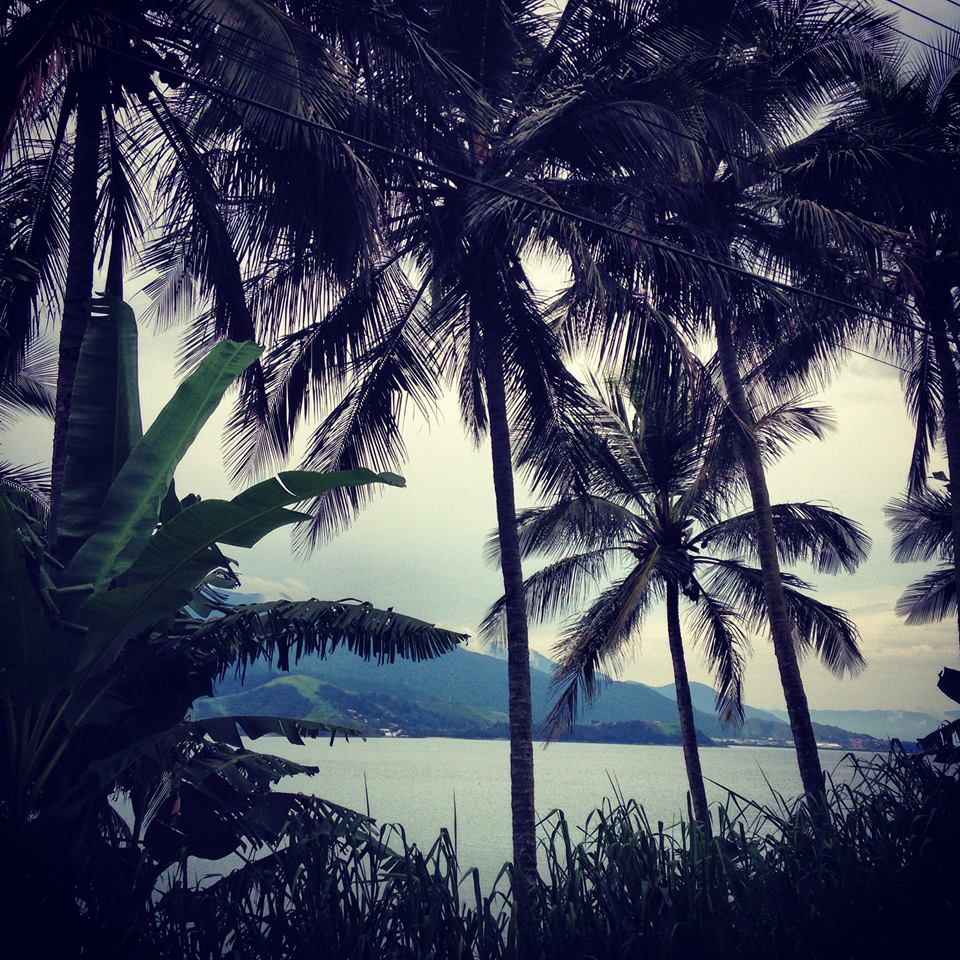
Casa na Ilha
Ilhabela, Brazil
Casa na Ilha is a serene art residency nestled in Ilhabela, Brazil, set within a rich ecological and cultural landscape. The program offers artists the opportunity to immerse themselves in their creative projects away from the distractions of everyday life. It accommodates a variety of disciplines including visual arts, writing, and research, particularly with an environmental focus. Residents benefit from a flexible, self-directed program with support available from on-site tutors. The residency encourages collaborative interactions among artists and promotes engagement with the local community and natural surroundings.

ILHABELA ISLAND, BRAZIL- & schedule
Ilhabela, Brazil
A coastal island municipality known for beaches, hiking trails, waterfalls, and a ferry connection from São Sebastião; cruise port schedules are also listed.
Explore Brazil
More city guides
Opportunity Intelligence
Ready to find your next residency?
Get a personalized shortlist — scored against your practice, discipline, and what you need right now.
See how Intelligence works →