City Guide
Icheon, South Korea
Clay city, slower pace, serious studios — why Icheon quietly works for residency life.
Why Icheon Works So Well for Residency Life
Icheon, in Gyeonggi Province, is one of the most practical bases in South Korea if your residency plans are rooted in making: ceramics, craft, sculpture, and studio-based installation. It sits within reach of Seoul and Incheon but runs at a calmer speed, with a strong infrastructure around clay, kilns, and local makers.
The city is best understood as a working craft ecosystem rather than a single institution. Residencies here sit on top of an existing network of ceramic studios, kilns, suppliers, and teachers. That’s the real advantage: you’re not just entering a residency bubble, you’re stepping into an active production city.
Core Artistic Identity
Three things define Icheon for artists:
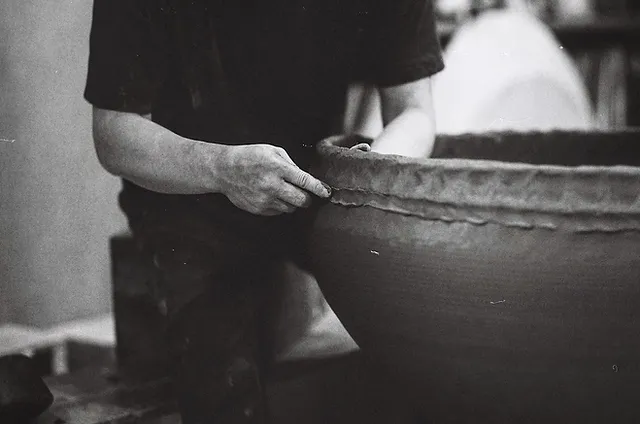
- Ceramics and onggi (traditional earthenware) are central. This is one of Korea’s key centers for clay and kiln culture.
- Craft and material research are normal here. Glazes, firing techniques, molds, and surface experiments are part of everyday studio conversation.
- Artist-run studios and workshop clusters give you practical options for workspace and collaboration beyond any formal program.
The pace is slower than central Seoul, which many artists use for deep focus: long days in the studio, regular firings, and technical experimentation without the constant pull of the capital’s social and exhibition calendar.
Why It’s Attractive for Residencies
Artists choose Icheon because it combines practical studio conditions with access to a bigger art network:
- Access to materials and kilns: clay bodies, tools, and firing options are easier to access and discuss with local professionals.
- Technical knowledge: onggi and other Korean ceramic traditions are present as living practices, not just museum references.
- Balance of production and research: you can spend significant time in the studio while still making occasional trips to Seoul or Incheon for exhibitions and meetings.
- Craft exchange: you are surrounded by potters, glaze specialists, and makers, which is ideal if your work is materially or process-driven.
If your practice is based on clay, object-making, or installation that relies on fabrication, Icheon’s everyday infrastructure often matters more than any single residency brand name.
Residency and Studio Options in Icheon
Icheon doesn’t have a huge list of branded residencies, but it does have a mix of formal programs and informal studio setups that function similarly. Many artists come specifically for teaching-focused programs or to embed themselves in the ceramic district for a season of work.
Toroo Atelier / Ceramic Masterclass Learning Residencies
Type: Learning-focused ceramic residency
Best for: Artists prioritizing technique, process, and clay-specific development
This program, hosted at Toroo Atelier in Icheon and promoted through Ceramic Masterclass, is designed as a structured learning residency rather than a completely independent studio stay. It typically centers on:
- Onggi and wheel throwing as core skills
- Demonstrations from experienced practitioners
- Instruction plus self-guided practice so you can immediately test what you learn
- Personalized guidance on form, technique, and studio direction
- Accommodation on-site or nearby
- Use of the studio’s open kitchen
- Lunch provided by the atelier during program days
Every residency cycle may be set up slightly differently, so details like length of stay, firing schedules, and costs should be checked directly with the program. The consistent theme is that the experience is structured around skill-building, not just access to space.
Who Toroo Atelier Suits
This kind of residency works best if you:
- Want to intensively improve your ceramic technique, especially throwing and onggi-related methods
- Learn well through demonstrations and guided practice rather than entirely self-directed experimentation
- Are open to a workshop-like rhythm with shared schedules, meals, and studio routines
- Are curious about Korean ceramic traditions and want to see how they function in a contemporary working studio
For artists who already run or plan to start their own studios, the program’s mix of technical guidance and studio culture can be as valuable as any final pieces you produce.
Icheon’s Wider Ceramic Studio Ecosystem
Alongside formal programs, Icheon has a constellation of independent studios and kiln sites. These do not always appear as “residencies” in international listings, but they can still host short-term stays, workshop periods, or project-based collaborations.
Artists working in Icheon commonly tap into:
- Small private studios that may rent benches or share space seasonally
- Shared kilns operated by local potters, where you can negotiate firing slots
- Technical collaborations with master potters or fabricators for complex forms or large runs
- Material suppliers offering local clay, slips, and glaze chemicals
If you want to embed yourself in this ecosystem, it usually helps to:
- Start with a formal program or clear host studio as your base
- Ask directly about additional kiln access, rental options, and local contacts
- Budget some time for studio visits early in your stay to understand what’s realistically available
For artists with a flexible project and some language support, Icheon’s informal studio network can sometimes offer more creative freedom than a highly structured institutional residency.
Living and Working in Icheon as an Artist
If you are coming from abroad or from another Korean city, Icheon’s living conditions will shape your residency just as much as the studio. The city is developed but not hyper-urban, with a strong practical focus: housing, simple food, buses, kilns, repeat.
Cost of Living and Daily Rhythm
Compared to central Seoul, Icheon is generally more affordable and more spacious, especially for housing and studio needs. It is not a remote village, though, so it does not feel drastically cheap.
You can usually expect:
- Housing: lower costs than Seoul’s core districts, especially for smaller officetels, studio apartments, or shared housing. Residency-linked accommodation, when provided, simplifies things.
- Food: local eateries and market food are reasonably priced; cooking at home or in shared kitchens keeps costs down.
- Studio and firing: if the residency or host studio covers studio and kiln use, this is your biggest saving. Independent rentals or firings can add up, but they are often more attainable than in big-city galleries or design districts.
- Transport: commuting distances are shorter than Seoul, and many artists organize their lives around walking distance between home and studio.
The rhythm of the city tends to support long, uninterrupted blocks of studio time. Nightlife is quieter, and the pull to attend constant openings is weaker than in the capital, which many artists find helpful when deep in production.
Where to Stay
If you are joining a formal residency, accommodation is often arranged or at least suggested by the host. If you are crafting your own stay, it helps to focus on:
- Icheon city center or nearby neighborhoods with straightforward bus access and basic services like supermarkets and pharmacies.
- Areas close to your studio or kiln site, especially if you expect to work late or manage multiple firings.
- Short-term rentals such as officetels, guesthouses, or small apartments that can be booked for one to three months.
Icheon is a craft city rather than an entertainment hotspot. Many artists choose convenience over nightlife, prioritizing a short, simple commute between home and the studio.
Studios and Workspaces
Icheon is strongest for practices that need tools, equipment, and space to get messy. If your work fits one of these categories, the city makes sense:
- Ceramics and pottery (hand-building, throwing, onggi)
- Sculpture and object installation using clay, plaster, or mixed materials
- Material research around glazes, clays, firing atmospheres, and surface experiments
- Mold making and small-scale production for functional objects or sculptural series
For residencies, clarify in advance:
- What equipment is included (wheels, kilns, tools, ventilation)
- How firings are scheduled and who manages them
- Any material fees or limits on volume
- Access hours and studio security
Those details determine whether your project is realistic in the time you have.
Art Scene, Transport, and Practical Details
Icheon is closely tied to the larger capital region, which matters for exhibitions and wider networking. You can treat the city as a working base and still participate in Seoul and Incheon art scenes when it’s useful.
Galleries and Art Spaces
Locally, you will encounter:
- Craft-focused galleries that highlight ceramics and design objects
- Ceramic exhibition venues and showrooms connected to local producers
- Municipal cultural spaces that occasionally feature visual art, craft, and educational programs
- Open studios or seasonal events tied to local studio clusters
For contemporary art, installation, and cross-disciplinary work, many artists branch out to:
- Seoul galleries and museums, including independent spaces and institutional venues
- Incheon’s art and residency network, which adds more exhibition and collaboration options
- Other Gyeonggi Province art centers reachable by regional transport
This combination lets you keep production in Icheon and present or network regionally.
Getting to and Around Icheon
Icheon is well connected to the wider metropolitan region.
Arriving from abroad:
- Most artists enter via Incheon International Airport or Gimpo Airport.
- From there, you can travel to Icheon by intercity bus, regional rail if available on your route, or car/taxi.
Local movement:
- Buses cover core routes and link residential areas with commercial and studio districts.
- Taxis are often used for late-night returns from the studio or when carrying materials.
- Walking or cycling can work well if you position your housing near your workspace.
Some ceramic districts and kiln sites sit away from main bus stops. If you are joining a residency, confirm in advance how you will get between housing, studio, and city center, especially in the evenings.
Visa and Administrative Considerations
For international artists, visa conditions depend on your nationality, how long you will stay, and whether the residency involves payment or formal work.
Before committing, clarify with your host:
- Expected length of stay and whether extensions are possible
- Whether the program is categorized as study, cultural exchange, or work
- If they provide official invitation letters, housing confirmation, or tax documents
- Whether any stipends, fees, or sales are involved that could affect your visa category
Use this information to check the requirements through official government channels or a consulate. Do not assume that a residency invitation automatically aligns with a tourist entry, especially for longer stays or paid activity.
When to Be in Icheon
Residencies and studio-heavy projects in Icheon are shaped by weather and production cycles.
Comfortable studio seasons:
- Spring brings mild temperatures that make long workdays and kiln management easier.
- Autumn is usually comfortable and often aligns with regional art and craft activity.
Ceramic-specific timing:
- If you are sensitive to heat and humidity, plan around the hottest period, particularly if your studio has limited cooling.
- Check how your host schedules firings and workshops, as some facilities cluster intense firing periods into specific months.
Application windows differ between programs, and many Korean residencies make selections on yearly cycles. For structured learning programs like Toroo Atelier, check directly for current timetables and intake seasons.
Community, Fit, and How to Use Icheon Well
The real value of Icheon lies in its working community: potters, kiln operators, craft students, and ceramic educators. These are the people who can help you solve technical problems, connect to materials, and understand local methods.
Local Art and Craft Community
If you are proactive, you can access:
- Studio visits and informal critiques with local makers
- Firing collaborations, especially for larger or more experimental work
- Material knowledge that does not always exist in English-language resources
- Opportunities to share your own techniques in workshops or open-studio formats, if arranged through your host
Many residency programs in Korea integrate open studios, talks, and workshops into their structure. In Icheon, these public-facing moments often revolve around process demonstrations, kiln openings, and hands-on engagement with clay.
Who Icheon Suits (and Who It Doesn’t)
Icheon tends to work best for artists who:
- Focus on ceramics, craft, or material-based sculpture
- Want to learn or refine technical skills in a structured or semi-structured environment
- Value calm, studio-centered days over constant urban culture
- Appreciate being near, but not inside, Seoul’s intense art scene
It may be less ideal if you need:
- A dense commercial gallery scene on your doorstep
- Nightly openings, performances, and events within walking distance
- Highly specialized media production infrastructure not provided by your host
For clay, object-making, and process-driven practices, though, Icheon is hard to beat in terms of practical support and focused working conditions.
Planning Your Icheon Residency
To make the most of a stay in Icheon:
- Start by clarifying your project: is it technique development, production for an exhibition, or material research?
- Choose a host residency or studio that matches that priority. Toroo Atelier is a strong choice for learning and refinement.
- Confirm all the practical details: accommodation, studio access, firing schedules, material costs, and local transport.
- Leave some time for regional trips to Seoul or Incheon for exhibitions, but keep your core focus on the studio.
If your work is clay-based or craft-informed, treating Icheon as your production base and the wider capital region as your exhibition and networking circuit can be a very effective way to structure a residency period in South Korea.