City Guide
Icheon, South Korea
Icheon is a strong fit if you want clay, kiln time, and a quieter place to work close to Seoul.
Icheon is one of those cities that makes sense the moment your practice touches clay. It is known across South Korea as a ceramics center, but for artists it is also a place to slow down, make work with your hands, and learn from a deep craft network. If you want a residency shaped by material process rather than nonstop gallery traffic, Icheon is worth a serious look.
Why artists go to Icheon
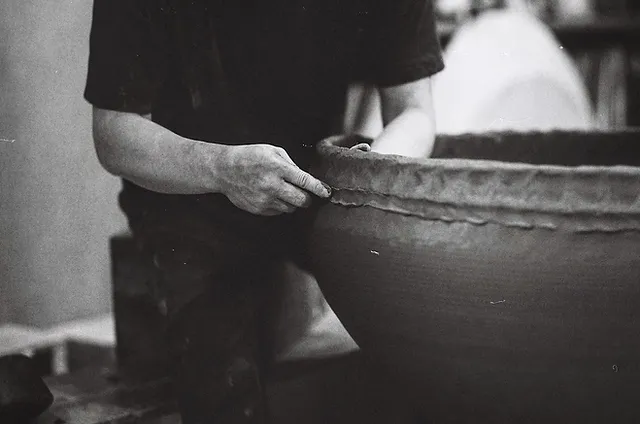
Icheon draws artists for three simple reasons: ceramics, learning, and space to focus. The city has a long connection to Korean pottery, including onggi, wheel throwing, glaze work, and kiln-based production. That means the local ecosystem is not just symbolic. It is practical. You can find people who know the materials, the firing process, and the daily rhythms of studio work.
For many artists, that matters more than being in a dense art district. Icheon gives you room to work without the pressure of a major commercial scene. It is close enough to Seoul for supply runs and occasional meetings, but far enough away that your days can stay centered on the studio.
The scene is smaller and more specialized than Seoul’s, which is exactly why it can be useful. If your practice depends on ceramics, sculptural materials, or hands-on learning, Icheon offers a strong environment for concentration. If you need a heavy media-production setup or a busy exhibition circuit, you may find the city more limited.
Residencies to know
Icheon Art Platform
Icheon Art Platform is one of the key residency-oriented institutions in the city. It operates as a cultural complex with exhibitions, performances, public programs, and a residency program that supports artists working across genres. The platform’s residency model is built around studio space, living space, and research time, with a focus on helping artists develop work in relation to local characteristics.
Residents are selected periodically, and international artists generally stay for a shorter period than Korean artists. The broader aim is to create a place where artists can meet one another, develop ideas, and connect their practice to the city’s setting. For artists who value institutional support without a heavy commercial atmosphere, this is a strong reference point.
Toroo Atelier and Ceramic Masterclass learning residencies
Toroo Atelier in Icheon offers a more hands-on, learning-centered model. This is especially appealing if you want structured technical development rather than a purely independent studio stint. The residency focuses on ceramic practice, including onggi and wheel throwing, with demonstrations, instruction, and guided self-practice.
What makes this model stand out is the balance between mentorship and autonomy. You are not just renting a studio and figuring things out alone. You have personalized guidance, accommodation, access to the studio’s kitchen, and meals provided on site. That makes the residency feel closer to a working learning environment than a standard open-call residency.
If you are serious about technique, this kind of program can be more valuable than a broad, generalist residency. It is a good fit for ceramicists, potters, and interdisciplinary artists who want direct contact with Korean clay traditions.
What the local art scene feels like
Icheon’s art ecosystem is rooted in craft and studio practice. You will find ceramic workshops, kiln studios, artisan-led spaces, residency-connected programs, and local cultural institutions. You will not find the same density of commercial galleries you would in Seoul, and that is part of the tradeoff.
Think of Icheon as a production city rather than a presentation city. It is a place where process matters. Artists often come here to research materials, deepen technical skills, or make a body of work in a focused setting. Public-facing activity does happen, but it tends to be tied to open studios, exhibitions hosted by institutions, or craft events rather than a constant calendar of gallery openings.
If your work is installation-heavy or heavily dependent on large-scale curatorial infrastructure, Icheon may feel narrow. If you work in clay, sculpture, or other material-led forms, the city can be an excellent match.
How to plan your stay
Icheon is generally more affordable than Seoul, especially for housing and everyday meals. That said, ceramics can bring their own costs. Clay, glaze materials, kiln firings, shipping, and specialized tools can add up fast. Before you go, ask exactly what is included in the residency and what you need to cover yourself.
The most important studio questions are practical ones. Ask about kiln access, throwing equipment, ventilation, drying racks, storage, and whether you can work in dusty or wet processes. If the residency is ceramics-based, you also want to know what kind of kiln is available, whether firing fees are included, and whether clay procurement is handled by the host.
Housing is usually easier than in Seoul, but you still want to check location. A place near the studio, a bus route, and basic services will make your stay much smoother. If the residency is outside the center, ask whether pickup is possible or if you will need taxis for the first few days.
Getting there and getting around
Icheon is reachable from Seoul and the wider Gyeonggi region by bus, road, or a combination of rail and local transport. For artists arriving from abroad, the most common entry points are Incheon International Airport or Gimpo Airport, followed by a transfer toward Seoul or directly into Gyeonggi Province.
If your residency sits in a workshop area or outside the center, do not assume public transit will get you door to door. Confirm the final leg with your host before arrival. A taxi may be the simplest solution from the nearest terminal or station, especially if you are arriving with luggage, tools, or fragile work.
Once you are in Icheon, transport is manageable, but having a clear plan helps. If your residency is spread across different studio buildings, ask how residents usually move between housing, studio, and town.
Visa and paperwork
Your visa needs depend on your nationality, the length of stay, and whether the residency includes a stipend, teaching, or public programming. A short research stay may be possible under a tourist entry arrangement for some passports, while longer residencies often need a visa that fits extended stay or work-related activity.
Before you commit, ask the residency host a few direct questions: what visa category past international residents have used, whether they provide invitation letters, and whether any part of the program counts as paid labor or public cultural activity. If the residency includes workshops or talks, ask whether those require additional documentation.
The safest route is always to confirm details with the host institution and your nearest Korean consulate. That saves a lot of stress later.
Who Icheon suits best
Icheon is a strong match for ceramicists, potters, sculptors working with fired materials, and artists who want technical mentorship. It is also good for research-based artists interested in studio culture, craft traditions, and material process. If you want a residency that feels quiet, focused, and grounded in making, this city delivers.
It is less suited to artists who need a large contemporary art market, heavy media infrastructure, or a highly urban networking scene. For those things, Seoul still does the heavy lifting. Icheon is more about depth than breadth.
What to look for in an Icheon residency
- Clear kiln access — ask what type, how often you can fire, and whether there are extra costs.
- Studio setup — private or shared space, ventilation, drying area, and storage all matter.
- Clay and material sourcing — check whether materials are included or locally available.
- Language support — especially important if the program includes teaching, critique, or community events.
- Program structure — decide whether you want research time, technical training, or public presentation.
- Transport and location — a good residency should make daily logistics simple, not drain your energy.
Quick take
If your practice is clay-based or material-led, Icheon offers a strong mix of studio access, craft knowledge, and space to work. It is not a big gallery city, and that is part of its value. You go there for kiln culture, technical learning, and the chance to build work in a place that understands the material.
For artists who want a residency with a clear focus and a strong ceramic identity, Icheon belongs high on the list.
Useful starting points: Incheon Art Platform, Toroo Atelier learning residencies, and the broader South Korea residency listings on Reviewed by Artists.