
City Guide
Holon, Israel
How to use Holon as a smart, design-focused base for residencies near Tel Aviv
Why artists use Holon as a base
Holon sits just outside Tel Aviv and works well as a practical home base if you want access to Israel’s main art infrastructure without paying Tel Aviv prices. The city leans toward design, contemporary art, and education rather than a dense commercial gallery scene, which makes it especially useful for residency work, research, and production.
You get a few key advantages if you base yourself in Holon for a residency or self-organized project:
- Lower rent and calmer pace compared with central Tel Aviv
- Fast access to Tel Aviv galleries, schools, and institutions
- Strong design and media-art identity through local institutions
- Public-facing platforms that value talks, open studios, and community work
If your practice sits between visual art, design, research, and public engagement, Holon is worth looking at seriously.
The art and residency ecosystem in Holon
Holon’s art energy is concentrated less in commercial galleries and more in institutions and public programs. That shapes how residencies and visiting artists work in the city.
Design Museum Holon
The Design Museum Holon is one of Israel’s key design institutions and a big reason many artists and designers first visit the city. The building itself, designed by Ron Arad, is often part of the draw. Exhibitions focus on design in a broad sense: objects, material culture, technology, fashion, and experimental design approaches.
Why this matters for residency-minded artists:
- If your practice is object-based, installation-focused, or design-adjacent, this is a crucial reference point.
- Spending time in their exhibitions can feed residency projects that mix visual art with product, furniture, or spatial design.
- The museum keeps Holon firmly on the radar of designers, curators, and students, which helps the local conversation stay active.
The museum itself is not primarily a residency host, but being in the same city during a residency gives you regular access to exhibitions, talks, and a design-aware audience.
Israeli Center for Digital Art, Holon
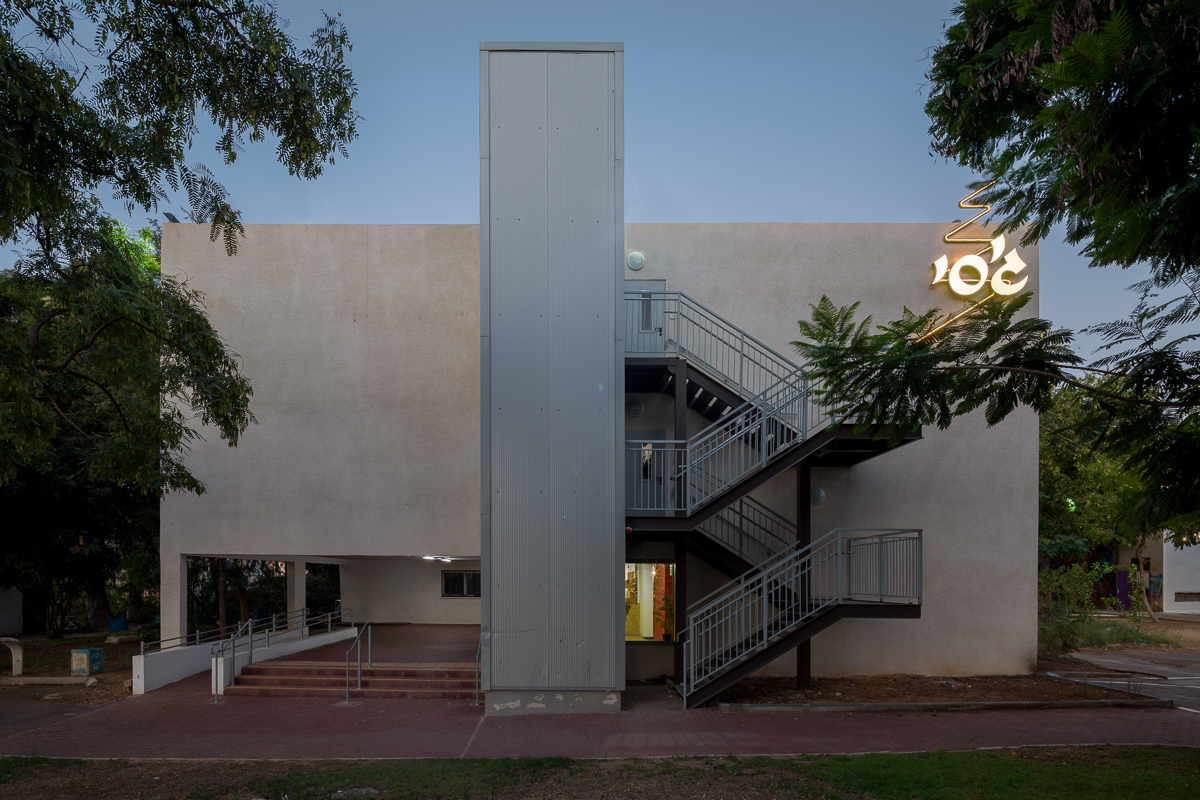
The Israeli Center for Digital Art is the city’s core contemporary art and research platform, and the main reason residency directories list Holon as a residency city. It is described as a dynamic platform for producing, researching, presenting, and analysing contemporary art, and as an important meeting space for artists, curators, critics, and the public.
Based on past programs and public information, you can expect:
- Studio and research time for digital, media, and conceptual practices
- Context for critical and process-based work, not just polished exhibitions
- Engagement with curators and critics through talks, screenings, and open studios
- Public programming that often asks artists to share ongoing work
Residencies there have historically been filled via open calls or partnerships. For example, a residency for Slovenian artist Tanja Lažetić was selected through an open call, underlining that the center is open to international guests when the program structure allows.
Artists who tend to fit well:
- Digital and new media artists
- Conceptual and research-driven artists
- Artists working with archives, communities, or critical theory
- Curators and art writers exploring contemporary media or social questions
If this sounds like you, your next steps are to monitor the center’s channels for open calls and to look for cross-institutional programs that send artists there.
Holon within the Tel Aviv residency corridor
A lot of residencies listed for Israel sit in the broader Tel Aviv metro area. Holon is effectively part of that ecosystem. The city is a short car or bus ride away from Tel Aviv, and writing about the Design Museum Holon, one guide pegs that trip at around 15–20 minutes from central Tel Aviv.
For you, that means:
- You can attend openings, critiques, and meetings in Tel Aviv while based in Holon.
- You can use Holon as a quieter production base and show or network in Tel Aviv.
- If you join Tel Aviv programs like Artport or the Suzanne Dellal Centre, you can still live or keep a studio in Holon.
This cross-city flow is normal. Artists often bounce between Holon, Tel Aviv-Yafo, Jaffa, and nearby cities for work, rehearsals, and exhibitions.
Key residency options to understand
Residency offerings change over time, but Holon consistently appears in residency directories and institutional programs. A few anchors help you orient yourself when you start researching actual calls.
Israeli Center for Digital Art residency
Residencies at the Israeli Center for Digital Art will typically offer a mix of research support, studio or work facilities, and public presentation. While specifics depend on the year and the funding scheme, you can expect:
- Work time on-site with access to the institution’s context and community
- Curatorial guidance, especially if your project is research-heavy
- Public outcomes, such as talks, screenings, or installations
When you find an open call or partner program, pay attention to:
- Eligibility: local only, international, or both
- Funding: stipend, housing, or self-funded
- Length: short research trips vs. longer production residencies
- Discipline focus: some iterations emphasize digital tools; others center social practice or archival work.
A helpful strategy is to research past residents and projects. That gives you a clearer sense of how experimental, political, or community-centered your proposal can be while still fitting the institution.
Other Holon-based listings in residency directories
Residency directories and platforms show Holon among the active residency locations in Israel. The exact programs shift, but the pattern is consistent: Holon attracts artists, curators, and designers whose work sits between studio practice, research, and public engagement.
When browsing these directories:
- Filter by city (Holon), then check if housing or stipends are offered.
- Look at discipline tags like visual arts, research, curating, digital, or interdisciplinary.
- Read reviews where available to see how artists experienced the host organization and the city.
Because Holon is smaller than Tel Aviv, you are likely to find fewer listed programs, but the ones that exist often have strong institutional backing and clear thematic profiles.
Using Tel Aviv residencies while living in Holon
Even if your official residency address is Tel Aviv, it can still make sense to live or keep a studio in Holon. Two programs that matter for this metro-wide approach are:
- Artport Tel Aviv: a prominent residency with studios, exhibitions, and regular public programming. It focuses on visual artists, both local and international, usually at key stages of their careers. For someone living in Holon, this is accessible by daily commute.
- Suzanne Dellal Centre residency: a long-term program for mid-career and established contemporary dance choreographers. Resident artists receive studio time, production support, and help building new work, sometimes ending with a premiere. A Holon base can work if you are comfortable commuting to rehearsals and meetings.
This blended approach lets you combine Holon’s quieter, cheaper living and the Tel Aviv art scene’s intensity and visibility.
What Holon is especially good for artistically
Different cities support different kinds of work. Holon is especially sympathetic to practices that are process-oriented and conceptually grounded.
- Design-driven art: object design, product-inspired sculpture, installation with a clear material or industrial language.
- Digital and media art: video, sound, interactive work, software-based pieces, or critical media practices.
- Research-based projects: long-term investigations, archival work, thematic inquiries that need more reading and testing than constant exhibition pressure.
- Socially engaged and community work: collaborative projects, public interventions, and educational formats.
- Cross-disciplinary experiments: collaborations with designers, technologists, educators, or local institutions.
If you are chasing fast-paced commercial gallery exposure, Holon is less ideal. But if you want time and space to think, experiment, and share work-in-progress in a structured way, it can be a smart choice.
Cost of living and daily life for residents
One of Holon’s main advantages is cost. While Israel is not cheap in general, Holon tends to sit below central Tel Aviv in housing costs, which matters if your residency is partially or fully self-funded.
Housing and rent
Expect:
- Lower rents than central Tel Aviv, especially for modest apartments and shared flats.
- Similar costs for food and daily needs to the wider Tel Aviv metro area.
- Trade-offs in convenience: you might be farther from some late-night openings and events, but your budget stretches further.
If a residency does not provide housing, plan to research Holon rentals or shared accommodation early. When you compare Holon to Tel Aviv, factor in commute costs as well as rent.
Studios and workspaces
Holon is not dominated by big commercial studio buildings, but workable options exist:
- Residency-provided studios tied to institutions such as the Israeli Center for Digital Art.
- Shared studios in apartments or small commercial spaces.
- Industrial or edge-of-city units that can be adapted for studio and fabrication work.
When contacting a residency or local artist, ask directly about:
- Noise and dust tolerance, if you work with heavy materials or tools.
- Access to workshops, printers, labs, and fabrication partners.
- Storage options for large works or crates.
Holon’s institutional focus means that having a studio within or near a center like the Israeli Center for Digital Art can be more valuable than a random commercial unit, especially for networking.
Neighborhoods and orientation
You will not find a single “artist neighborhood” branded as such, but some practical guidelines help when choosing where to stay:
- Central Holon: good for day-to-day services and easier access to buses into Tel Aviv.
- Areas along main transit routes: reduce commute time to Tel Aviv schools and galleries.
- Mixed-use or light industrial areas: useful if you prioritize bigger, more flexible workspaces over a polished residential setting.
The city is compact enough that travel times within Holon are modest; what matters more is your connection to Tel Aviv if you plan to go in regularly.
Transportation and access
Holon’s location is one of its strongest practical assets for residency life.
- To Tel Aviv: buses, shared taxis, and regular taxis get you into the city relatively quickly. Many artists commute daily for work, openings, or teaching.
- Within Holon: local buses cover the city; walking is workable in many areas, though distances can add up if you carry materials.
- To the airport: Ben Gurion Airport is reachable faster than from many more distant Israeli cities, which matters for short-term residencies and shipping.
When planning your residency schedule, keep transit in mind. Late-night returns from Tel Aviv openings or rehearsals might require taxis rather than buses.
Visa and administrative considerations
If you are traveling from abroad, visa requirements depend on your nationality and the structure of the residency.
Key points:
- Some short-term residencies may be compatible with tourist stays for certain nationalities, but you should never assume this without checking.
- Residency hosts sometimes mention maximum stay lengths for overseas artists due to visa rules. For example, other Israeli programs cap stays around three months for international residents.
- If your residency includes a stipend, formal teaching, or extended stays, different visa categories may be required.
Always ask the host organization:
- What kind of invitation letter they provide.
- Whether they offer visa guidance or support documents.
- How long previous international residents have stayed under similar conditions.
Build visa research time into your application calendar, especially if you are shipping work or equipment.
Seasonality and timing
Holon, like the wider region, has hot summers and milder months that are more comfortable for studio work and travel.
General timing tips:
- Autumn to spring often feels more workable for heavy studio production, walking, and cultural outings.
- Summer can be very hot and humid, which might affect large physical installations or street-based work.
- Residency application cycles vary: some use annual calls, others rolling admissions, so it helps to watch programs 6–12 months ahead of when you want to be on-site.
When you write your proposals, it can be helpful to mention why a certain season works well for your project, especially if it relies on public space or outdoor events.
Local art communities and public programming
Holon’s art community is anchored in institutions and public initiatives more than in a classic gallery row.
Places and patterns to watch:
- Israeli Center for Digital Art: exhibitions, screenings, talks, and sometimes research groups or reading-based events.
- Design Museum Holon: exhibition openings, design talks, and programming that draws both professionals and general audiences.
- Tel Aviv connections: many Holon-based artists regularly show and network in Tel Aviv, so your “local” community might be split between the two cities.
Residencies in Holon frequently include some kind of public component:
- Open studios or lab-style presentations.
- Artist talks or lectures, sometimes in collaboration with educational partners.
- Workshops or participatory events for local communities.
If you enjoy sharing work-in-progress and talking about your process, this environment can be energizing. If you prefer to stay entirely private, be ready to clearly communicate your needs with the host.
Who Holon suits (and who it doesn’t)
Holon is especially suitable if you are:
- A visual artist or designer working with objects, materials, or space.
- A digital or media artist developing new projects or research.
- A curator, art writer, or researcher interested in contemporary media and social questions.
- Someone who wants close access to Tel Aviv but prefers a calmer living situation and lower rent.
Holon might feel limiting if you want:
- A dense gallery street at your doorstep with back-to-back openings every night.
- A self-contained international residency compound where all activity happens inside one campus.
- Dozens of different residency options to choose from within a single small city.
Think of Holon as an efficient, concept-driven base: strong institutions, manageable scale, and easy access to Tel Aviv’s louder scene when you need it.
How to start planning a Holon residency
If Holon sounds like a good fit, here is a straightforward way to move from idea to action:
- Use residency platforms to filter for Israel and Holon, and read recent reviews.
- Research the Israeli Center for Digital Art and Design Museum Holon to see how your practice might connect with their focus.
- Map your budget, including rent in Holon, commute costs, and production expenses.
- Write project proposals that use Holon’s strengths: design thinking, digital tools, public engagement, and quick access to Tel Aviv.
- Contact potential hosts to clarify funding, visa support, and facilities before you commit.
Treat Holon not as a back-up to Tel Aviv, but as a strategic choice: it gives you institutional depth, design fluency, and room to think, while Tel Aviv stays within easy reach whenever you need a bigger stage.
Explore Israel
More city guides
Opportunity Intelligence
Ready to find your next residency?
Get a personalized shortlist — scored against your practice, discipline, and what you need right now.
See how Intelligence works →