
City Guide
Franconia, United States
A small mountain town with real studio time, quiet, and just enough infrastructure to make a residency workable.
Franconia, New Hampshire is the kind of place artists come to when they need less noise and more focus. The town sits in the White Mountains, so the draw is not a crowded gallery scene or a packed calendar of openings. It is time, space, landscape, and the chance to work without constantly switching gears.
If your practice benefits from slow attention, strong light, outdoor access, and a smaller community around you, Franconia makes a lot of sense. It is especially good for printmakers, book artists, writers, sculptors, installation artists, and anyone whose work responds to place.
Why Franconia works for artists
Franconia is rural, but not isolated in a useless way. The area has enough support to make residencies practical: housing, studio access, bus connections, nearby towns for supplies, and a regional arts network that extends through Bethlehem, Littleton, and the rest of the North Country.
What you get here is a working environment, not a scene built around constant visibility. That can be a relief. A residency in Franconia is usually about making work rather than performing your process for a crowd.
- Solitude: good for artists who need uninterrupted studio time.
- Landscape: strong fit for site-responsive, land-based, and observational work.
- Small cohorts: better for meaningful exchange than for networking noise.
- Practical support: some programs include housing and equipment, which keeps the logistics manageable.
Directangle Press: a strong fit for print and publication-based work
The most clearly local residency in Franconia is Directangle Press. This is a short, focused residency built around letterpress and risograph printing, with space for artists to research, create, and collaborate.
That matters because a lot of residencies say they support process-driven work, but this one is actually set up for it. The studio includes risograph printers, letterpress equipment, type, finishing tools, and even a laser cutter. If your work lives in editions, zines, artist books, posters, or experimental print, the setup is unusually well matched.
Directangle Press also keeps the residency small, with only a few artists on site at a time. That usually means more access to equipment, more direct conversation, and less waiting around for studio time.
What to expect there
- Residency length: one or two weeks
- Group size: two to three artists at a time
- Housing: included, with a private bedroom and shared common areas
- Studio support: optional instruction and workshop help available
- Location: close enough to town to make food and transport manageable
That combination makes it a good choice if you want a contained residency that still gives you room to move fast. Short stays can be ideal for print-based projects because the medium rewards preparation, clear goals, and tight production rhythms.
One practical thing to keep in mind: even when housing is included, you will still be covering food, materials, and travel. For artists bringing heavier equipment or planning a larger edition, it helps to arrive with a plan for what can realistically be produced in a week or two.
Other residency energy in the Franconia area
Franconia sits in a broader creative corridor that includes Bethlehem and other White Mountains towns. That matters because the area’s residency culture is not just one program in one building. It is part of a wider rural arts ecosystem where artists often move between small institutions, outdoor sites, and neighboring towns.
One nearby example is Headwaters Residency in Bethlehem. It is not in Franconia proper, but it belongs to the same regional map artists should have in mind. Headwaters is a week-long residency that welcomes writers and artists of all experience levels, solo or with a creative partner, and it is built around quiet work time in the White Mountains.
That regional proximity is useful. If you are looking at Franconia residencies, you should also be paying attention to Bethlehem and the towns around it. In a rural area, the best opportunities often live just a few minutes down the road.
There is also a cultural overlap between studio work and the outdoors here. Artists in the area often respond to hiking, conservation, weather, seasonal change, and the visual scale of the mountains. If your practice already leans toward place, you will likely find useful material almost immediately.
Getting there without making it harder than it needs to be
Transportation is one of the most important practical questions for any residency in Franconia. The good news is that the area is remote without being inaccessible.
You can get there by car, and you can also reach the area through bus service connected to Concord Coach Lines, with routes that connect through Boston and Logan Airport. That is helpful if you are coming from out of state or trying to keep the trip simple.
Still, a car is useful once you arrive. Franconia and the surrounding towns are spread out, and a vehicle makes it much easier to pick up supplies, reach trailheads, and move materials. If you are bringing large printmaking tools, sculpture components, or exhibition materials, plan for that early.
- Without a car: possible, especially for short residencies with housing close to the studio.
- With a car: easier for errands, source visits, and outdoor research.
- For shipping materials: confirm arrival details well ahead of time.
What the local arts environment feels like
Franconia is not a market town for art. That is actually part of its appeal. You are not arriving into a dense commercial district where every conversation is about visibility, sales, or deadlines. Instead, the local arts environment is smaller, more spread out, and more tied to process, place, and community exchange.
That means you should think of a Franconia residency as a production opportunity, not a showcase. The region supports work through quiet concentration, not constant exposure. For some artists, that is exactly the right condition.
Nearby towns help fill in the gaps. Bethlehem and Littleton have local galleries, bookstores, performance spaces, and small businesses that make a stay more livable. You are not in the middle of nowhere. You are in a place where the scale is smaller and the pace is slower.
Who should seriously consider Franconia
Franconia is a strong match if you want a residency that gives you room to think and make without distraction. It is especially good for artists who can work independently and who do not need a dense city network to stay productive.
- Printmakers and book artists
- Sculptors and installation artists
- Writers and researchers
- Artists working with landscape, weather, or ecology
- Artists who prefer small cohorts and direct access to tools
It may be less useful if you need a large studio complex, frequent public programming, or a busy gallery circuit. Franconia gives you a different kind of support: stillness, access, and enough structure to keep the work moving.
How to think about applying
When you look at residencies in Franconia, pay attention to the basic shape of the program more than the label. Ask yourself what the residency actually gives you. Is it studio access, housing, equipment, peer exchange, or time alone? In Franconia, those things matter more than prestige.
For a print-focused residency like Directangle Press, your materials should make the fit obvious. Show work that uses process clearly. If you work in publication, edition, drawing, collage, text, or experimental print, make sure that is visible in your portfolio and project description.
For a quieter, more open residency in the region, emphasize how you use time and place. Rural residencies respond well to proposals that are specific without being overcomplicated. You do not need to promise a huge outcome. A clear, realistic plan usually reads better.
Think of Franconia as a place for disciplined work, not performative productivity. If that sounds like what you need, the area can be a strong fit.
For artists interested in the local options, the best starting points are Directangle Press and Headwaters Residency, along with the broader White Mountains residency network around Bethlehem and Littleton.
Residencies in Franconia

Franconia Sculpture Park
Franconia, United States
Franconia Sculpture Park offers various artist residencies on its 50-acre outdoor sculpture park in Minnesota, primarily focused on sculpture, installation, land art, ceramics, contemporary craft, experimental sound/music, performance art, and writing. Programs include fellowships for mid-career and emerging artists with stipends ranging from $5,000 to $10,000, self-directed stays of 2-10 weeks, on-site housing in a communal farmhouse, and facilities like studios and work pads for creating works exhibited publicly. Additional opportunities support writers (2-3 weeks with stipend and room/board), artist families (1-2 weeks), and interns (2-3 months with room/board in exchange for support roles).
The Frost Place
Franconia, United States
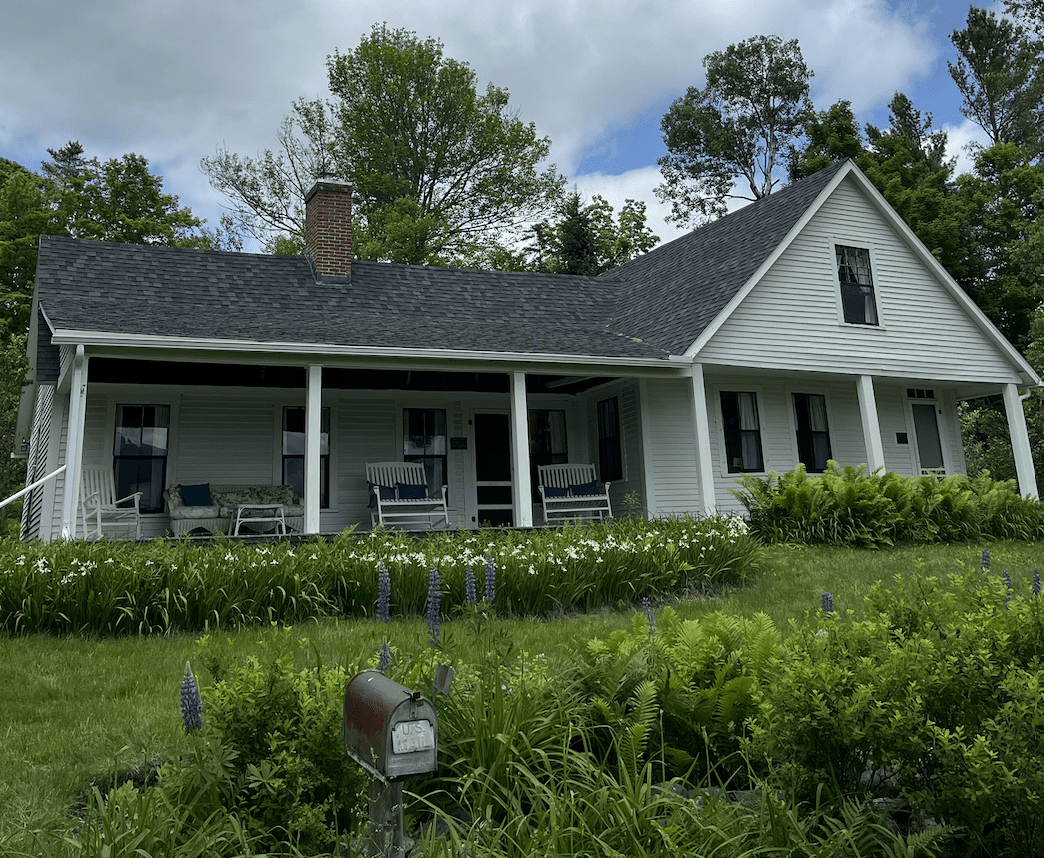
The Frost Place is a nonprofit educational center for poetry and the arts based at Robert Frost's former farmhouse in Franconia, New Hampshire. Since 1977, it has hosted a resident poet during the summer who lives and writes in Frost's home, with the Dartmouth Poet-in-Residence program beginning in offering a month-long residency with a $2,000 stipend and opportunities for public readings across the region.
Explore United States
More city guides
Opportunity Intelligence
Ready to find your next residency?
Get a personalized shortlist — scored against your practice, discipline, and what you need right now.
See how Intelligence works →