
City Guide
Eyeries, Ireland
How to use a tiny West Cork village as a serious base for deep creative work
Why Eyeries works for artists
Eyeries is a small, colourful village on the Beara Peninsula in West Cork. You go there for the opposite of a city residency: fewer distractions, big weather, and time to think. The coastline, fields, and mountains wrap around you; the nearest bigger towns are a drive away. That quiet is the main asset.
Artists and writers use Eyeries as a place to reset, research, and build new work away from deadlines and noise. You get:
- Landscape as studio: Atlantic views, changing light, and long walks that feed drawing, photography, sound, and writing.
- Retreat culture: spaces designed around sanctuary and concentration, not public programming or constant events.
- Low social pressure: enough local life to keep you grounded, but not so much that you lose working time.
- Access to a wider arts region: the rest of West Cork and Beara offer galleries, festivals, and artist-run spaces when you want to plug in again.
If you’re craving a slower pace and a deeper focus, Eyeries is less “networking residency” and more “get the book/manuscript/series actually moving” residency.
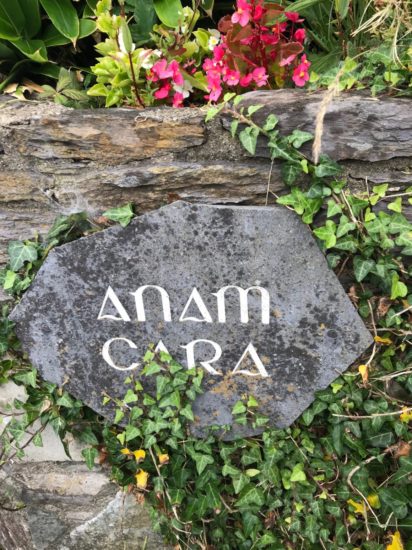
Anam Cara: writers’ and artists’ retreat
Type: Year-round retreat for writers and artists
Location: Near Eyeries village, overlooking Coulagh Bay
What Anam Cara actually feels like
Anam Cara is set up as a sanctuary specifically for writers and artists. Think private working/bedrooms, quiet gardens, and sea and mountain views rather than a big shared industrial studio. The emphasis is on:
- Solitude with support: you work on your own projects but within a house full of other makers who get why you’re there.
- Comfort: private rooms with en-suite bathrooms, and meals provided, so you’re not losing hours to shopping and cooking.
- Uninterrupted time: no built-in teaching load or public-facing obligations unless you opt into a workshop.
It functions more like a creative retreat hotel for artists than a production residency with institutional demands. That can be a huge advantage if your practice needs consistent, low-friction days.
Who tends to thrive here
Anam Cara is especially strong for:
- Writers: fiction, poetry, non-fiction, scripts, hybrid writing.
- Visual artists in a research phase: sketching, writing, planning, and small-scale work that doesn’t need heavy fabrication tools.
- Multidisciplinary artists who want to stitch together text, image, and sound in a quiet environment.
- Artists in transition: changing direction, recovering from burnout, or preparing for a major project or show.
If your work depends on large workshop facilities, this isn’t the place for big fabrication. If your work depends on thinking, writing, and portable materials, it’s ideal.
How the days can work
Expect a rhythm like:
- Silent or quiet mornings for deep focus.
- Afternoon walks along lanes, fields, or coastal paths to reset your brain.
- Evening reading, informal conversations, or time in your room.
Because food is provided, you’re freed up to make a strict studio schedule for yourself. That’s especially useful for drafting books, developing a new body of work on paper, or composing music and sound pieces.
Practical questions to ask Anam Cara
When you’re planning, clarify:
- Length of stay: how many days or weeks they recommend for the kind of project you’re bringing.
- Work expectations: whether they host readings or sharings, and if participation is optional or encouraged.
- Accessibility: room location, stairs, and any mobility questions.
- Connectivity: internet reliability if you need to upload large files or teach remotely.
You can read more about Anam Cara through its profile on platforms like TransArtists, then follow links to the official site for current conditions and fees.
The Pink House / Ministry of Maat: spiritual and creative research
Type: Sanctuary for spiritual and creative research
Location: Eyeries, Beara Peninsula
What the Pink House offers
The Pink House is part of the Ministry of Maat’s Sanctuary for Spiritual and Creative Research. It sits in the same landscape but works with a more explicitly spiritual frame. They speak about it as a place to nurture and restore body and spirit.
Key elements:
- Creative research residencies rather than classic studio residencies.
- Audience often includes ministers and students within the organization, plus scholars and practitioners working with intuitive arts, creative arts, women’s spirituality, and women’s wellness.
- Sanctuary atmosphere that holds both contemplative and creative work.
The tone is more like a spiritual retreat center that welcomes creative practice, not a neutral arts institution.
Who this space fits
The Pink House is a better fit if your work consciously intersects with:
- Spirituality and ritual: performance, sound, or writing rooted in spiritual practice.
- Women’s wellness and embodiment: work on care, healing, or feminist spiritual traditions.
- Intuitive and esoteric arts: tarot, energy work, visionary drawing, or related practices embedded in your art.
If your practice is strictly formalist or you’re mainly looking for neutral studio space, you might not need the spiritual layer here. But if you’re building work around ceremony, myth, or healing, that framework can be exactly what you need.
Questions to ask the Pink House
Before committing, ask:
- Eligibility: do you need to be connected with the Ministry of Maat, or can independent artists apply?
- Structure: is it self-directed, or are there scheduled teachings, rituals, or group activities?
- Workspaces: what kind of spaces you’ll actually have for making, writing, or research.
- Community expectations: quiet hours, shared meals, group participation, and any spiritual practices that are central to the stay.
You can explore their description and current information via the Ministry of Maat site at ministryofmaat.org.
Using Eyeries as your base: daily life and logistics
Village atmosphere and daily needs
Eyeries is small, so everything revolves around a handful of essentials:
- Shops and cafés: limited but usually enough for basics and occasional treats.
- Pubs: often double as informal meeting spots, listening posts for local stories, and sometimes exhibition or music spaces.
- Walks: coastal walks, lanes, and hillside paths are part of daily life and creative process for many artists.
Don’t expect big supermarkets, art shops, or printing services. Think ahead about what you need to bring.
What to pack and plan for your practice
To avoid losing time and energy once you’re there, plan around:
- Materials: bring core tools and materials you rely on, especially specialty items.
- Digital backups: if your work is digital, arrive with drives, cloud backups, and any software already updated.
- Portable setups: a compact kit for drawing, writing, or sound recording you can take on walks.
- Weather-appropriate clothing: layers, waterproofs, and shoes you don’t mind getting muddy. Your work time will be better if you can walk comfortably regardless of rain.
If you need high-end printmaking, large-scale fabrication, or specialist equipment, consider pairing an Eyeries retreat with time at more equipped centers elsewhere in Ireland.
Cost of living and budgeting
Rural West Cork is not cheap in the way some remote regions are, partly because it’s desirable as a scenic area. For most artists, the big costs are:
- Accommodation: often bundled into retreat fees at places like Anam Cara, or found separately if you’re arranging your own stay.
- Food: if meals aren’t included, expect to pay more per item than in a city discount supermarket and plan infrequent but larger grocery trips.
- Transport: car rental, fuel, or taxis between villages and towns add up quickly.
- Residency fees: retreat-style programs charge for accommodation and services; factor that into your funding plan.
If possible, build a small contingency fund for unexpected travel, weather disruptions, or extra nights in Cork City at the beginning or end of your trip.
Getting to and around Eyeries
Reaching Eyeries
The typical route is:
- Fly into Cork Airport (or into Dublin and then travel down).
- Take a bus or train to Cork City if needed.
- Continue by regional bus/coach towards the Beara Peninsula (Castletownbere is a common reference point).
- Finish the journey by local taxi or arranged pickup.
Some retreats, like Anam Cara, may have guidance or suggestions for getting that last stretch covered. Always confirm your arrival plan with them, especially if you’re coming late in the day.
Do you need a car?
A car is very useful but not absolutely mandatory. Think about:
- With a car: freedom to explore Beara, visit nearby villages, and do supply runs on your own schedule.
- Without a car: you’ll rely on walking, occasional lifts, and pre-booked taxis; workable if your residency is full-board and you mainly need to move between room, workspace, and landscape.
If you don’t drive, plan carefully around arrival and departure days, and ask the residency if there are standard taxi contacts or shared rides with other residents.
Art scene and connections beyond the village
What exists locally
Eyeries itself has a small, steady creative presence but not a dense gallery strip. The main “infrastructure” for artists is:
- Residency and retreat spaces: your primary base for working and meeting other artists.
- Community venues: pubs, cafés, and village halls that sometimes host events, music, or small exhibitions.
- Landscape: cliffs, bays, fields, and lanes acting as your extended studio and research site.
Think of the village as a workshop zone and recovery space rather than a place where you’ll chase curators and collectors.
Connecting to the wider West Cork and Beara network
When you want more art around you, look outward along the peninsula and across West Cork. You’ll find:
- Small galleries and artist-run spaces in towns like Bantry, Skibbereen, and other coastal communities.
- Seasonal festivals and arts events that bring music, performance, and exhibitions into the region.
- Residency peers at other sites such as Cill Rialaig in Kerry or Burren College of Art in Clare, who are also working in rural Irish environments.
Networking here rarely looks like big openings. It’s more likely to be conversations with fellow residents, local craftspeople, or the person running the café who also happens to play music or paint.
Visas, timing, and picking the right residency
Visas and permissions
Eyeries is in Ireland, so your visa situation depends on your passport and how long you’re staying.
- EU/EEA/Swiss citizens generally have residence rights under EU rules.
- Non-EU/EEA artists may need a visa or preclearance for longer stays; shorter, non-paid cultural visits can sometimes fall under standard visitor rules.
If your residency includes teaching, paid public events, or anything that looks like employment, check Irish immigration guidance carefully and discuss with the host organization well in advance.
When to go
The experience shifts quite a lot with the seasons.
- Late spring to early autumn: longer days, slightly milder weather, and more open local services. Good for walking, plein air work, photography, and moving between villages.
- Autumn and winter: shorter days, stronger storms, and a wilder coastline. Excellent if you want serious solitude and atmospheric conditions, but you need to be comfortable with isolation and reduced amenities.
Rural residencies, especially in scenic areas, often book out for high season, so treat them as something you plan months ahead, not last-minute escapes.
Matching the residency to your project
Use your project to decide between Anam Cara, the Pink House, or nearby alternatives:
- Go to Anam Cara if you want a retreat-like, supportive environment with meals and a strong focus on writing and quiet studio-style time.
- Go to the Pink House if your work is spiritually or ritualistically grounded and you want your residency to sit inside a sanctuary framework.
- Consider pairing Eyeries with a more production-heavy residency (for example, an institution with strong studios elsewhere in Ireland) if you need both deep thinking time and later fabrication facilities.
Before you apply or book, have your own checklist ready: accommodation, meals, workspaces, internet, accessibility, and how isolated you actually want to be. That clarity makes it easier to use Eyeries not just as a beautiful trip, but as a genuinely productive stretch in your practice.
Explore Ireland
More city guides
Opportunity Intelligence
Ready to find your next residency?
Get a personalized shortlist — scored against your practice, discipline, and what you need right now.
See how Intelligence works →