
City Guide
Corning, United States
A practical guide to the glass-focused residency scene in a small city built around one extraordinary museum.
Corning is not a generalist arts city. It is a glass city, and that focus is exactly why so many artists go there. If your work touches glass, material research, fabrication, or museum-based inquiry, Corning can give you something hard to find elsewhere: concentrated access to major resources without the noise of a big metro arts scene.
The center of gravity is The Corning Museum of Glass and its residency program at The Studio. Around that, you’ll find a compact downtown, a walkable core, and a creative culture shaped by making, research, and public engagement. If you want a place where the residency itself is the main event, Corning makes a lot of sense.
Why Corning matters for artists
Corning’s identity is tied to glass, but it is more than a niche. The city has a serious museum infrastructure, a recognizable arts district, and a small-city pace that can help you focus. That combination is useful if you need time, equipment, and headspace more than you need a broad nightlife or gallery circuit.
The biggest draw is the Corning Museum of Glass, which holds more than 50,000 glass objects and supports artists with research access, expert staff, and highly equipped facilities. For glass artists, that means you are not just renting studio time; you are working inside an institution with deep material knowledge and a serious archive.
For artists outside glass, Corning may still be relevant if your practice is research-based, material-driven, or installation-oriented. But if your work depends on a wide network of contemporary art spaces, this is probably not the place for scene-hopping. Corning is better understood as a museum-centered residency destination than a broad art hub.
The Studio at the Corning Museum of Glass
The Studio is the residency home base. It brings artists from around the world to Corning for focused periods of work and research, with a strong emphasis on glassmaking and related processes.
What makes it stand out is the level of support. Residents typically receive housing, transportation to and from Corning, a meal stipend or room-and-board support depending on the residency format, a supply budget, studio space, and a residency manager who helps connect artists with museum and local resources. That level of structure matters. It removes a lot of logistical drag so you can work.
The studio facilities support furnace working, flameworking, kiln working, and cold working, with other fabrication methods available upon request. If you are making in glass, this is the kind of technical access that can shape the work itself. It is also a place where research and making sit side by side, which is useful if your practice is driven by process rather than finished-object production alone.
Residents also get access to the Rakow Research Library, the museum collection, and museum staff with specialized knowledge. That combination is especially valuable if your project needs historical context, technical problem-solving, or direct study of objects in the collection.
Main residency options to know
Artist-in-Residence at The Studio
This is the core program. It is designed for artists working in or with glass who want time and infrastructure to develop a body of work, test new directions, or deepen existing research. The current structure includes residency periods of five weeks and six-to-eight weeks, with flexibility built into scheduling.
This program works best if you can describe a clear project, explain what equipment and materials you need, and show how the residency will move your practice forward. You should also be ready for public engagement. Residents are often invited to give a presentation, lecture, or process talk during a free event at The Studio.
If you are comfortable speaking about your process, this is a strong fit. If you prefer to keep your work private, you can still apply, but the public-facing expectation is part of the residency culture.
Black, Indigenous, and People of Color Residency
This residency extends the Studio’s artist-in-residence programming with an explicit commitment to supporting underrepresented artists and fostering inclusion. The practical structure is closely tied to the core Studio resources, but the program’s framing matters. It creates a more intentional space for BIPOC artists working in glass and related practices.
If you are applying, treat it like any other serious studio proposal: clear goals, specific needs, and a concise sense of what you hope to make or study while you are there.
Burke Prize Residency
The Burke Prize Residency appears among The Studio’s current and upcoming opportunities. It sits within the broader residency ecosystem and is generally associated with artists whose work speaks to innovation and contemporary glass practice.
Because this kind of residency is often connected to a strong portfolio and a focused proposal, it suits artists who already have a clear visual language and a project that benefits from museum-level resources.
David Whitehouse Research Residency for Artists and Scholars
This one is for research rather than production. If you want archival access, object study, or time with museum staff and the Rakow Research Library, this is the residency to watch. It can support artists, curators, writers, and scholars whose projects are grounded in glass history, theory, or collection-based inquiry.
If your work is conceptually driven and you need to build knowledge before you build objects, this residency may be the better fit than a studio-heavy one.
Instructor Collaborative Residency
This opportunity is tied to collaboration and teaching. It is a good match for artists who already have instructional experience or who like to work in conversation with others. If your practice includes workshops, pedagogy, or shared making, it belongs on your radar.
How to think about cost, housing, and travel
Corning is much more manageable than a major city in terms of cost, especially when you are inside a residency. Housing is often included, and that changes the entire budget picture. The big value is not just the bed and meal support; it is the access to facilities that would be expensive or impossible to assemble on your own.
If you are staying independently, the downtown core and nearby residential areas are the most practical places to look. The Gaffer District is the most walkable part of town, with galleries, cafes, shops, and easy access to the museum. Painted Post and Big Flats can be useful if you have a car and want more rental options.
Transportation is worth planning carefully. Corning is compact enough to walk downtown, but a car can help with groceries, regional trips, and lodging outside the city center. If you are traveling in for a residency, check what transportation support is included so you are not assuming more than the program offers.
What the local arts environment feels like
Corning’s art life is smaller than a major urban scene, but it is focused and legible. The downtown arts-and-shops corridor, especially around Market Street and the Gaffer District, is where you’ll find the most visible public-facing creative activity. The museum anchors much of it, which means events, talks, and demonstrations are often tied to glass, craft, and education.
This can be a real advantage if you like a residency to have structure and a public dimension. It can also feel narrow if you are looking for lots of competing scenes. Corning does not offer the density of an art capital, but it does offer a strong center of gravity. For the right artist, that is enough and sometimes more useful.
Expect museum programming, resident talks, demonstrations, and a community that understands material skill. If you want a place where people care how things are made, Corning delivers that.
Who thrives here
- Glass artists needing serious technical facilities
- Artists developing research-based or process-driven work
- Material-focused sculptors and installation artists
- Artists who want museum access alongside studio time
- Scholar-artists working with archives, collections, or glass history
- Artists comfortable giving a public talk or presentation
Corning is less useful if you need a dense commercial gallery market, broad interdisciplinary scene, or heavy public transit. It is also not the right fit for every practice. But if your work benefits from specialized tools, institutional knowledge, and concentrated time, it can be an excellent place to be.
Practical application tips
When you apply to a Corning residency, keep the proposal concrete. Say what you want to make or study. Say why Corning is the right place for it. Say what equipment you need and whether you need assistance. The stronger your match between project and facility, the easier it is for reviewers to see the fit.
Portfolio material should show that you understand your medium and can make use of the residency without wasting time. If your work is not already glass-based, be very clear about how you plan to use the resources there. Museum residencies reward specificity.
If you are an international artist, start visa planning early and ask the program what documentation they can provide. Because residency support can include stipends, housing, and material assistance, you want to confirm eligibility well before travel becomes real.
Best reasons to choose Corning
Choose Corning if you want deep material access, a strong museum setting, and a residency that supports focused work instead of general networking. Choose it if your project needs glass expertise, object research, or facilities you cannot replicate elsewhere. Choose it if a small city with a clear artistic identity sounds better than a crowded scene with too many distractions.
Corning is a good place to work when you already know what you want to test, make, or learn. The city gives you the tools. The residency gives you the time. The museum gives you the context. That is a rare mix.
If you are building a list of places to apply, Corning belongs near the top of the list for glass artists and research-minded makers. For many practices, that combination is hard to beat.
Residencies in Corning
Corning center for the fine arts
Corning, United States
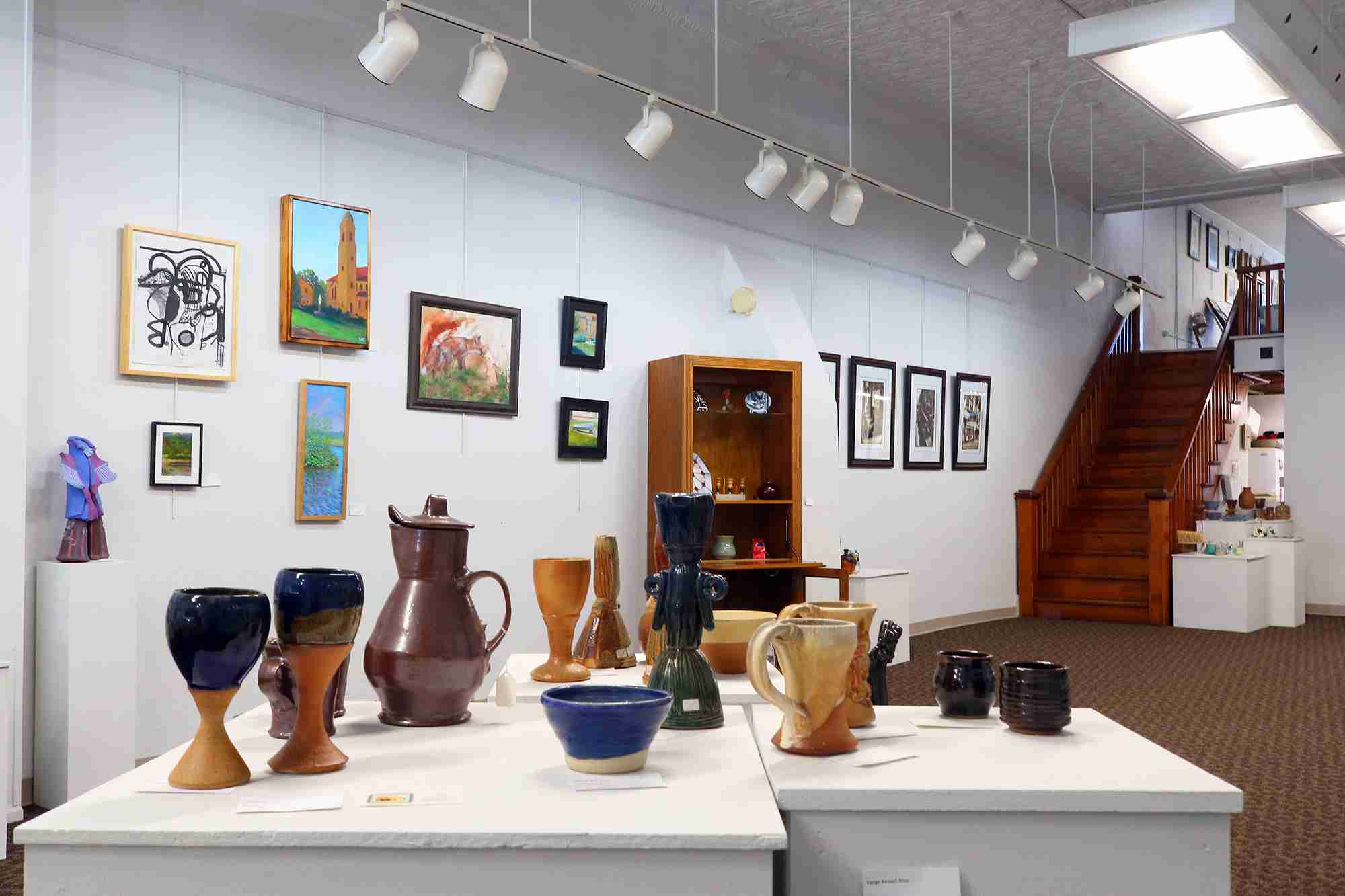
The Corning Center for the Fine Arts (CCFA) in Corning, Iowa, offers an Artist in Residence program for emerging, mid-career, and established artists across all disciplines, providing physical space, technical assistance, housing in two apartments above the center, and support to create new work. Residents engage with the public through exhibitions, lectures, seminars, and gallery responsibilities including producing sellable artwork and staffing. Sessions typically last 3 months or longer, with a fully equipped pottery studio available.
Corning Museum of Glass
Corning, United States
The Corning Museum of Glass offers a comprehensive Artist-in-Residence program at The Studio in Corning, New York. This program invites artists from around the world to explore new directions in glassmaking or expand their current work using the museum’s extensive resources. Residents receive housing, a meal stipend, transportation, and access to the Rakow Research Library and expert Museum staff. The residency provides a generous supply budget, studio space equipped for various glassworking techniques, and a newly completed Residency Center with seven studios and a communal lounge. Artists are encouraged to engage with the community through presentations and public events.
Explore United States
More city guides
Opportunity Intelligence
Ready to find your next residency?
Get a personalized shortlist — scored against your practice, discipline, and what you need right now.
See how Intelligence works →