
City Guide
Columbia, United States
A practical look at Columbia’s residencies, costs, and scene so you can decide if it fits your practice.
Why artists choose Columbia, Missouri
Columbia is a mid-sized college city anchored by the University of Missouri (Mizzou), which gives it more arts programming and audiences than you’d expect for its size. For artists, the draw is a mix of affordability, community, and access to institutional resources.
You get a few key advantages:
- Lower costs than major coastal art hubs, especially for rent and daily expenses
- Compact, bike-friendly layout with a walkable core around downtown and campus
- University-driven arts activity – visiting artists, lectures, exhibitions, and occasional residencies
- Community-focused programs that emphasize participation, teaching, and local audiences as much as production
Columbia tends to suit artists who want focused studio time, a supportive community, and a reasonable cost of living, rather than those chasing a high-pressure international scene.
Key residency options in Columbia
Columbia doesn’t have a huge number of residencies, but the ones that exist are quite targeted. That can be an advantage if you match what they are built for.
Orr Street Studios – Artists in Residence (AIR)
Type: Studio-based residency, long term
Website: orrstreetstudios.com
The Orr Street Artists in Residence Program (AIR) is centered on one thing: making studio space accessible to artists who are often shut out of it.
What it offers
- 11.5 months of dedicated studio space inside a well-known local studio complex
- Support directed specifically to Black and minority artists in Columbia and surrounding areas
- A focus on artists who have financial need and would not otherwise be able to afford a studio
- Integration into an active studio community, plus exposure through Orr Street’s exhibitions and events
Who it suits
- Black and minority artists looking for a stable, professional studio space
- Artists building or rebooting a practice who need time and room more than anything else
- Local or regional artists – this is not set up as a fly-in, short-term destination residency
- Artists comfortable engaging with a wider studio community instead of working in isolation
How to think about it
If studio access is your main barrier, Orr Street stands out. You trade the traditional “residency retreat” model for nearly a year of solid studio time in a local ecosystem that will actually see your work. It’s especially useful if your next step is simply: consistent space, consistent practice, and a community around you.
Access Arts – Ceramics Artist in Residence
Type: Ceramics-focused, long-term residency
Listing: Residency Review overview | Program site: schoolofservice.org/ceramics-air
Access Arts runs a ceramics AIR that feels part-residency, part practical apprenticeship in running a studio.
What it offers
- Length: about 1 year, with a summer start
- Housing options: both live-in and non-live-in
- Cohort size: about 3 live-in and 2 non-live-in residents
- Access to ceramics facilities, kilns, and shared studio environment
- Community firings several times per year
- Opportunities for solo or group exhibitions and receptions
- Participation in sales, markets, and exhibitions, including local markets
- Hands-on experience with studio operations – scheduling firings, maintenance, daily workflow
Who it suits
- Ceramic artists seeking a year of production with structure and feedback
- Emerging artists who want to understand the practical side of studio management
- People comfortable living in shared housing (if you choose the live-in option)
- Artists who want to plug into a community through teaching, community firings, and local events
How to think about it
This is a strong fit if you want your practice to sit close to teaching, community, and sales. Instead of a quiet retreat, you get a year to immerse in clay, test work, meet local audiences, and see how a functional ceramics space actually runs.
University of Missouri – College of Arts & Science Artist in Residence
Type: Campus-based artist in residence program
Website: coas.missouri.edu/artist-residence
The Mizzou College of Arts & Science Artist in Residence program invites established and emerging artists to campus. It typically centers on public engagement more than private retreat.
What it generally offers
- University affiliation and visibility within an academic setting
- Access to students, faculty, and campus arts venues
- Possibilities for lectures, workshops, critiques, and exhibitions
- Creative exchange across disciplines, depending on the department and project
Who it suits
- Artists whose practice intersects with teaching, research, or public programming
- Mid-career and emerging artists looking to strengthen their CV and academic connections
- Artists comfortable presenting talks, visiting classes, or running workshops
How to think about it
If you want to be around students, test ideas in a classroom, or develop work that ties into research or public discourse, a university residency can be a strong anchor. For more solitary studio time, you may want to pair it with other arrangements in Columbia.
Understanding Columbia’s art ecosystem
Residencies in Columbia sit inside a relatively dense arts ecosystem for a city its size. Knowing how that ecosystem works helps you see how a residency might feed into exhibitions, teaching, or sales.
Neighborhoods and where artists tend to cluster
You won’t find a single giant “artist district,” but a few areas come up again and again for studios, shows, and general livability.
- Downtown / The District
Columbia’s central area, with galleries, restaurants, and events. Good for walkability, meeting people, and being close to openings. - North Village Arts District
A focused arts area with studios, galleries, and creative businesses. Orr Street Studios is part of this broader ecosystem, so if you’re in that program you’re right where a lot of activity happens. - Near Mizzou / central Columbia
Useful if you want to take advantage of university exhibitions, talks, or the Artist in Residence program’s events. - Residential neighborhoods near downtown
Often more affordable while still within bike distance of studios and openings. Good if you need quiet living space but still want to show up in person at events.
Galleries, studios, and public programs
Beyond residencies, the city has a mix of independent, university, and civic arts spaces.
- Orr Street Studios – a studio complex and exhibition venue that functions as one of Columbia’s main community anchors. The AIR program lives inside a larger ongoing scene of openings, workshops, and studio visits.
- North Village Arts District venues – galleries, shared studios, and creative businesses that tend to host receptions and art walks.
- University of Missouri venues – campus galleries, student and faculty exhibitions, visiting artist talks, and public events tied to various departments.
- City of Columbia Office of Cultural Affairs – manages public programs, calls for artists, and cultural events. Their site at como.gov often lists opportunities like traffic signal box art and other public projects.
If you build relationships with these different pieces – studios, university, and city programs – Columbia offers more depth than a single residency by itself might suggest.
Historical context: Resident Arts
Resident Arts, a now-closed artist-run nonprofit, operated between 2014 and 2019. It focused on emerging artists, professional development, and exhibitions. While it no longer runs programs, it shows that Columbia has historically supported grassroots efforts to professionalize and connect local artists. When you encounter community-minded programming now, it’s sitting on that kind of foundation.
Practical logistics: cost of living, transit, and daily life
Residencies are only as good as the conditions around them. Columbia scores well on the basics for working artists.
Cost of living and budgeting for a stay
Compared with large U.S. art centers, Columbia is generally more affordable. That typically translates into:
- Lower housing costs for rooms and apartments
- More space for less money, which matters if you store materials or larger works at home
- Manageable daily expenses – food, transit, and basic supplies are closer to Midwestern norms than coastal prices
For artists, this can mean you can actually use your residency time for work instead of scrambling to cover high rent. Access Arts’ live-in housing and Orr Street’s focus on studio support both dovetail with this – they reduce major expenses so you can focus on your practice.
Getting around: bike, bus, or car?
Columbia is often described as bike-friendly. For many artists, that’s enough to move between studio, home, and campus.
- Biking: Practical if you’re near downtown, North Village, or Mizzou. Helpful for quick trips to openings or the studio.
- Driving: Still very useful, especially if you’re hauling clay, lumber, large canvases, or installation materials. Most artists doing large work will want access to a car or occasional vehicle share.
- Public transit: There is a bus system, but for studio life, many people find a combination of bike and car (or rides with friends) more flexible.
If you’re applying to a residency that involves larger work or heavy materials, it’s worth asking very practical questions: How close is your studio to parking? Is there loading access? Can you store crates or packing materials on site?
Professional opportunities beyond residencies
One of Columbia’s strengths is that residencies can connect to real, ongoing opportunities in the city.
City of Columbia Office of Cultural Affairs
The Office of Cultural Affairs is a useful contact point if you want to extend your stay or keep a connection to Columbia after a residency ends. Their calls for artists often include:
- Public art on city infrastructure (like traffic signal boxes and similar surfaces)
- Licensing opportunities that pay artists a fee for artwork reproduction
- Exhibition opportunities in civic or partner spaces, sometimes with a focus on local or minority artists
- Programs that occasionally encourage BIPOC and minority artists to apply, especially for certain venues and initiatives
You can scan current and recurring calls at the Office of Cultural Affairs website. These projects can complement a residency by adding public-facing work, a licensing fee, or a portfolio-ready commission.
Artist Laureate and civic recognition
The city has launched an Artist Laureate Program through the Office of Cultural Affairs. While eligibility and terms can evolve, these kinds of roles signal that the city is interested in sustained relationships with artists, not just one-off commissions.
If you’re considering an extended stay or relocation to Columbia, tracking civic programs like this can help you plan a longer arc: residency, small public project, then larger public or laureate-type roles as your local presence deepens.
Timing your visit and applications
For residencies tied to academic calendars or long-term studio access, timing matters more than in drop-in, short-term programs.
When the city feels most active
Columbia has a strong rhythm tied to the university year.
- Fall: Students return, programming ramps up, and weather is often good for walking and biking to openings.
- Spring: Exhibition-heavy season for both university and community spaces, plus a lot of public events.
- Summer: Slightly quieter on the campus side but often a key start time for longer residencies like the Access Arts ceramics program.
If you want to scout the city before committing, planning a visit around First Friday events, university exhibitions, or city festivals will give you a more accurate sense of how the scene functions.
Application timing (in broad strokes)
Each program has its own cycle, but some patterns are consistent:
- Orr Street AIR: Application windows are linked to nearly year-long studio terms. Public info has noted June as a key month for an upcoming cycle in the past, so late spring is a smart time to watch.
- Access Arts Ceramics AIR: The residency starts in summer, so materials typically need to be ready well ahead of that start. Treat late winter and spring as prep and application time.
- Mizzou Artist in Residence: Often tied to the academic year, with calls going out in advance of a semester or year. Plan around university planning cycles rather than short-notice applications.
If you want to position yourself well, keep a folder ready with a clean portfolio, updated CV, clear artist statement, and a project description tailored to community-engaged work. Columbia programs tend to value artists who can connect with people, not just make strong work in isolation.
Who Columbia is actually good for
Matching yourself honestly to the city and its residencies will save you time and frustration. Columbia tends to be a good fit if you are:
- Emerging or mid-career and need more time with your work than you need prestige or hype
- A ceramic artist looking for a structured, year-long residency that teaches studio operations and community engagement
- A Black or minority artist with financial need who would benefit from supported studio space through programs like Orr Street AIR
- Interested in community and teaching – workshops, public art, university engagement, or informal critiques
- Excited about local ecosystems: galleries, markets, campus venues, and city projects that you can actually access
It may be less aligned with what you want if you’re seeking a remote, stipend-heavy retreat in the countryside, or a program built mainly to feed work into a high-end commercial market. Columbia leans toward connection, education, and community presence.
How to start planning your Columbia residency path
If Columbia feels like a possible match, a simple sequence can help you move from interest to action.
- 1. Map your priorities.
Decide what you need most right now: a year of clay work and professionalization (Access Arts), long-term studio access with community (Orr Street), or academic engagement and teaching (Mizzou). - 2. Read each program’s current guidelines.
Go directly to Orr Street Studios, Access Arts ceramics AIR, and Mizzou’s Artist in Residence page to confirm details, eligibility, and expectations. - 3. Scan city and community opportunities.
Check City of Columbia calls for artists and community arts calendars. Think about how a residency could connect to a public project, gallery show, or teaching opportunity. - 5. Prep your application materials with local context in mind.
Highlight how you’ll use the specific resources in Columbia – community firings, public art, student engagement, or exhibitions – rather than sending a generic residency proposal.
The more you treat Columbia as a living ecosystem and not just a line on your CV, the more these residencies can feed your practice long after you pack up your studio.
Residencies in Columbia
Access Arts/School of Service
Columbia, United States
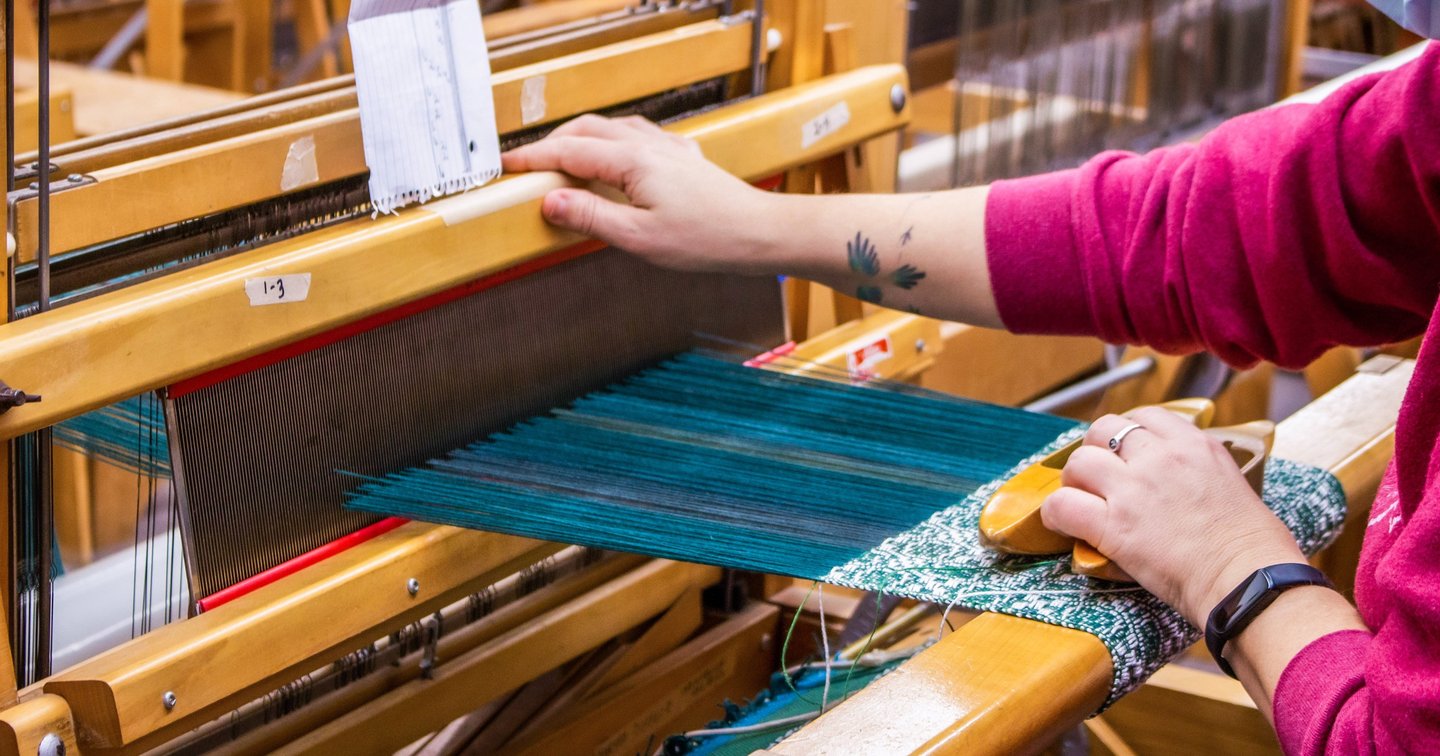
Access Arts/School of Service in Columbia, Missouri, offers teaching-intensive artist residencies primarily in Ceramics and Fibers, providing live-in or non-live-in options with 24/7 studio access, some materials, and a monthly stipend in exchange for 10-15 hours of weekly service in education, outreach, and maintenance. Residencies typically last one year August, with opportunities for extension, solo/group exhibitions, and community engagement in a supportive college town environment. The program supports artists at various experience levels while serving diverse students through creative learning experiences.

True/False Film Fest
Columbia, United States
The True/False Film Fest Artist Residency offers a five-week virtual program for visual artists, culminating in solo installations at unconventional venues throughout Columbia, MO, during the annual festival. This residency supports emerging and mid-career artists, especially those who identify as BIPOC, LGBTQIA+, disabled, or parents/caregivers. The program provides weekly online sessions for community building, professional development, and creative exploration, led by professional artists and curators. Residents receive a $1,000 stipend, additional funding for materials and travel, and have their work exhibited at the festival. This residency fosters cultural exchange and networking, allowing artists to connect and collaborate across geographical boundaries.
Explore United States
More city guides
Opportunity Intelligence
Ready to find your next residency?
Get a personalized shortlist — scored against your practice, discipline, and what you need right now.
See how Intelligence works →