City Guide
Christchurch, New Zealand
How to make a residency in Christchurch work for your art, your budget, and your energy
Why Christchurch works as a residency city
Christchurch / Ōtautahi sits in a sweet spot: big enough to have serious institutions, small enough that you can actually get to know people and places during a short stay. Residencies here tend to mix focused studio time with real public engagement, anchored by heritage buildings, post-quake regeneration, and tight-knit creative networks.
If you want a residency that gives you time to work and expects you to show up for the community, Christchurch is worth your energy.
The Arts Centre Creative Residency: the key programme
The main residency that draws international and New Zealand-based artists into central Christchurch is hosted by The Arts Centre Te Matatiki Toi Ora, a historic complex of arts and education buildings that has become a core creative hub again after major earthquake repairs.
What the Arts Centre Creative Residency offers
This residency is set up so you can focus on a project without worrying about the basics.
- Duration: usually between 1 and 3 months.
- Who can apply: creative professionals across many disciplines: visual arts, crafts, music, theatre, dance, film, writing, design, photography, digital and sound art, fashion, gaming, and hybrids of all of these.
- Housing: a fully furnished bedroom with work desk and private bathroom in the Creative Residence, inside the historic West Lecture building.
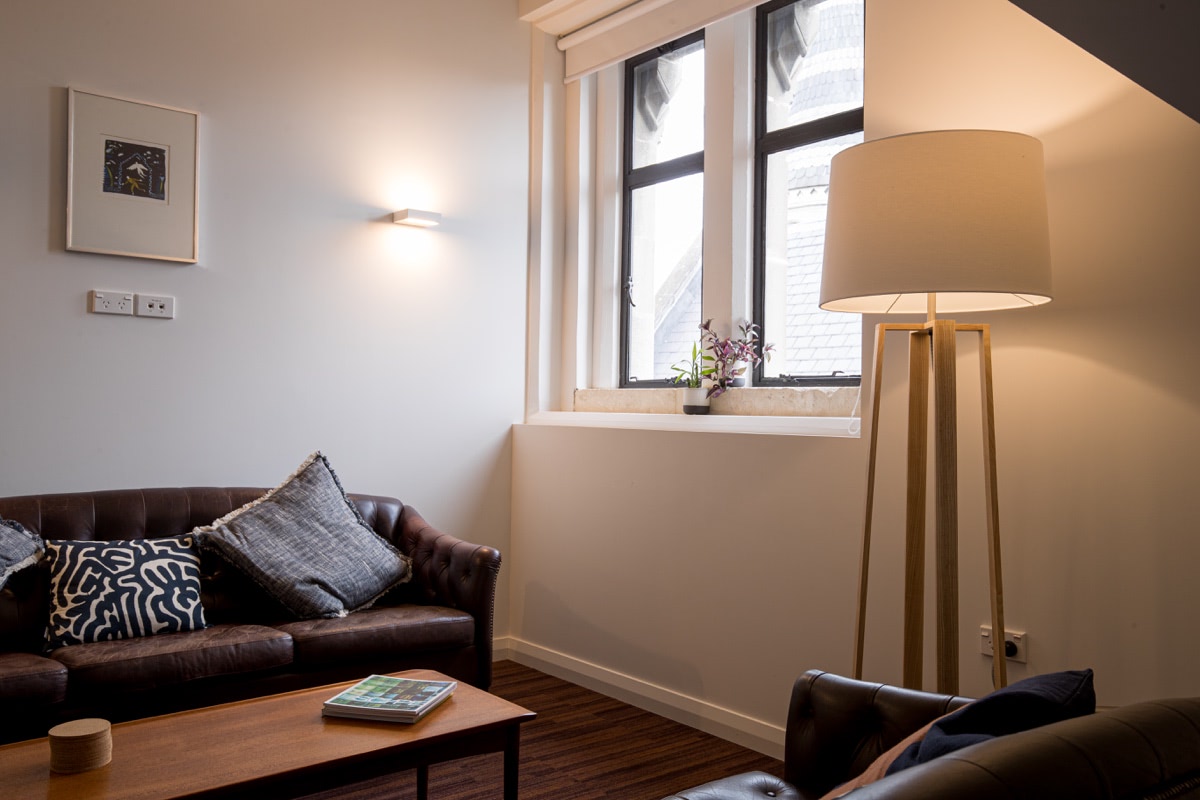
- Shared spaces: modern communal kitchen, living, dining, a study nook, and balcony shared with other residents. Wheelchair accessible.
- Per diem: daily allowance (stated as NZ$85 per day) paid weekly, intended to cover living costs.
- Travel support: a contribution towards travel costs to and from Christchurch (the programme lists an upper limit, which can change, so check current details).
- Visibility: Arts Centre publicity to connect you to local audiences and media.
The apartment is used as artist accommodation for most of the year, and as an Airbnb-style stay open to the public in peak summer months, so residency dates revolve around that calendar.
What they expect from you
This is not a hide-in-your-room residency. The Arts Centre expects you to be part of Ōtautahi’s creative life.
- Public outcome: some kind of public-facing event is standard: exhibition, performance, artist talk, reading, workshop, gig, or something more experimental.
- Community engagement: connecting with local communities and creative networks is encouraged and often built into proposals.
- Professional conduct: you share living spaces with other creatives, so treat it as a professional flat-share as well as a residency.
This programme suits artists who are comfortable talking about their work, curious about site and context, and happy to design an outcome that meets the public where they are.
Who this residency suits best
The Arts Centre is a strong fit if you:
- want a centrally located live-work setup in a heritage building
- work across mediums or enjoy interdisciplinary environments
- are ready to run a workshop, performance, or talk as part of your stay
- are interested in how historic architecture, earthquake rebuilding, and civic space shape art and audiences
It is less ideal if you want complete seclusion or no public expectations at all. The programme leans towards artists who see public engagement as part of the practice, not a distraction from it.
Other residency pathways touching Christchurch
Christchurch also hosts residency-style opportunities tied to universities, climate-focused events, and Pacific arts networks. These are not always permanent, open-every-year programmes, but they shape the residency ecosystem and signal what the city values.
University- and climate-linked residencies
One example is a three-month residency connected to a major climate adaptation conference, hosted through the University of Canterbury and supported by Creative New Zealand. It centres Pacific artists making work around climate, adaptation, and futures, with a public exhibition during a major international gathering.
The key takeaways from this kind of programme:
- Theme-driven: projects linked to climate, resilience, environment, and Pacific perspectives.
- Institutional support: access to university resources and networks.
- Public-facing: exhibition or programming embedded in a large public event.
This pattern is common in Christchurch: residencies connect with research, public issues, and community rather than operating as isolated studio bubbles.
Self-funded stays at the Creative Residence
The same Creative Residence apartment at The Arts Centre can also be used in a self-funded way outside the main funded residency windows. Artists (and sometimes their partners) can stay for a few weeks, paying a rental fee that covers cleaning, linen, power, and Wi‑Fi.
For these self-funded stays:
- you get the same heritage setting and shared living spaces
- you do not receive a stipend or artist income
- you can still propose public programmes (talks, workshops, gigs) to connect with local audiences
This can be a way to base yourself in the Arts Centre ecosystem even if you are not on the main funded residency, especially if you already have external funding or scholarships.
The art scene you land in
A residency only works if the surrounding city supports the kind of practice you want to push. Christchurch has a distinctive mix: heritage buildings, visible scars from the earthquakes, new architecture, and a culture that is used to artists working in public and semi-public spaces.
Institutions and spaces worth knowing
- The Arts Centre Te Matatiki Toi Ora: a cluster of restored heritage buildings housing galleries, studios, cinemas, shops, and performance spaces. If you stay here, you are in the thick of it.
- Christchurch Art Gallery Te Puna o Waiwhetū: the main city art museum, with exhibitions, talks, and events that are useful references for residency projects.
- Physics Room: a key contemporary art space in Christchurch’s recent history, focused on critical, experimental practice, often connected with national and international conversations.
- University-related spaces: art, design, and research communities around the University of Canterbury and other tertiary providers, often open to collaboration and public programming.
- Artist-run and project spaces: smaller, often temporary venues in the central city and in Lyttelton, used for pop-up shows, performances, and launches.
If your residency includes a public outcome, these venues become part of the ecosystem you are speaking into, even if your main event is hosted by The Arts Centre itself.
Local creative culture
The art community in Ōtautahi tends to be direct, collaborative, and used to making things work with limited resources. A few patterns you will notice:
- Cross-disciplinary practice: visual artists working with sound designers, writers collaborating with choreographers, and so on.
- Regeneration themes: earthquake recovery, urban change, and ecological issues show up across mediums.
- Community expectation: public talks, workshops, and open studios are normal, not exceptional.
- Respect for context: attention to te ao Māori, local histories, and the environment is strongly encouraged.
Arriving with openness to these dynamics makes it easier to build meaningful connections and avoid treating the city as just a scenic backdrop.
Where to base yourself inside the city
If you are on the Arts Centre residency, you are already in a prime spot. If you are organising your own stay around a self-directed project, the area you choose will shape your day-to-day rhythm.
Central city / Arts Centre area
This is the obvious base for artists whose work depends on galleries, institutional partners, and walkable access.
- Pros: close to The Arts Centre, Christchurch Art Gallery, cafés, public transport, and many event venues. Easy to pop home between studio sessions and openings.
- Cons: can be pricier than outer suburbs; short-term accommodation can fill fast during major events or holidays.
Addington
A practical neighbourhood just southwest of the centre.
- Pros: good value compared to the core, decent public transport, and a mix of venues and small businesses with a creative edge.
- Cons: you will rely more on buses or biking if you are constantly crossing into the CBD.
Sydenham and nearby suburbs
Sydenham, Spreydon, and surrounding areas often attract workshops, light industrial spaces, and independent studios.
- Pros: more chance of finding studio-friendly spaces and less polished surroundings that can suit installation, sculpture, or fabrication.
- Cons: not as walkable to main galleries; you will spend more time planning transport.
Lyttelton and the coast
Lyttelton, across the Port Hills, and coastal suburbs like New Brighton are attractive if landscape and sea are important in your work.
- Pros: defined local communities, strong music and performance culture, and easy access to harbour and coastal environments.
- Cons: commute times into central Christchurch are longer, so factor that in if your residency requires frequent city-based events.
Money, studios, and logistics
New Zealand is not cheap, but Christchurch is generally less intense than Auckland on rent and day-to-day costs. The Arts Centre residency is relatively generous by local standards because it combines housing, a per diem, and travel support.
Cost of living basics
- Food: supermarket prices are similar across New Zealand; imported goods can be expensive. Cooking at home helps your stipend go further.
- Transport: if you are central, walking and buses will cover most needs. Bikes work well on flatter routes.
- Extras: materials, printing, and framing can add up; consider bringing key tools or planning purchases in stages.
Studio and workspace access
What you get as part of a residency can vary, so always ask direct questions:
- Is there a dedicated studio or just a desk in your room?
- Are noisy, dusty, or messy practices allowed in the building?
- Is there access to workshop facilities, kilns, printmaking, or digital labs through partner organisations?
- What are the building’s open hours and after-hours rules?
In Christchurch, artists often mix residency spaces with:
- shared studios and maker spaces
- university facilities if they have connections
- short-term hire of specialist equipment in the city or nearby
If your project needs specific tools, mention this clearly in your application so the host can advise on feasibility.
Getting in, visas, and timing
Residency invitations do not override immigration rules, and New Zealand draws a clear line between tourist visits and funded or work-like activities.
Visas and entry
Your visa situation depends on your nationality, length of stay, and whether you are receiving money or presenting public work. Before you commit, check:
- what advice the residency host provides about visas and entry
- whether your situation fits a visitor visa or requires a work-related visa
- if the stipend or per diem counts as income for immigration or tax purposes
- processing times for visas from your home country
The most reliable information will always come from Immigration New Zealand and your local New Zealand embassy or consulate. Build this research into your timeline rather than leaving it until after you are accepted.
When to be in Christchurch
Christchurch has a temperate climate with distinct seasons, and each one shapes residency life differently.
- Summer: more events, outdoor activity, and visitors; good for public-facing projects but busier and often more expensive.
- Autumn: often a strong studio season with milder weather and a slightly calmer pace.
- Winter: colder and quieter; ideal if you want deep focus and do not mind layering up.
- Spring: a good balance of fresh energy, growing event calendars, and workable weather.
The Creative Residence also operates as public accommodation during some summer months, so residency timing is shaped around that. Always check availability windows with the host.
Making the most of a Christchurch residency
Residencies in Ōtautahi reward artists who arrive with curiosity and a willingness to plug into local conversations. A few ways to make your time count:
- Set a clear but flexible project: know what you want to explore, but leave room for site-specific shifts as you meet people and places.
- Plan your public offering early: workshops, talks, or showings need promotion lead time, so work with the host to lock in dates and formats.
- Spend time walking: the post-quake city layout, public art, gaps, and rebuilds are a live archive. Walking routes can feed directly back into your work.
- Visit other artists: ask the host to connect you with local practitioners, studios, and collectives. A coffee in someone’s workspace can be more valuable than a formal networking event.
- Document as you go: photographs, notes, and process reflections will help when you apply for future residencies or funding based on this experience.
If your practice thrives on conversation, context, and audiences that want to engage, Christchurch is not just a backdrop; it actively shapes the work. Treated that way, a residency here can be both a focused period of making and a catalyst for long-term relationships with Aotearoa’s art communities.