
City Guide
Buffalo, United States
How to plug into Buffalo’s residencies, neighborhoods, and art communities as a visiting artist
Why Buffalo works for residencies
Buffalo is one of those cities where you can actually afford to make work, while still having access to serious institutions, architecture, and communities. It’s big enough that things are happening, but small enough that you can actually meet people and follow up after a residency.
For artists, the draw tends to come down to a few things:
- Lower overhead than cities like New York or Boston, so your stipend or savings stretch further.
- Strong arts infrastructure for a mid-size city: museums, galleries, university art programs, nonprofit media and book arts centers.
- Distinct physical environment—grain silos, waterfront, historic neighborhoods, and adaptive-reuse buildings that lend themselves to site-specific projects.
- Cross-disciplinary scene where printmakers, media artists, book artists, and performers often share the same networks.
- Human scale: you can actually get to know curators, organizers, and other artists during one residency.
If your practice thrives on time, space, and access to tools more than constant spectacle, Buffalo is worth serious attention.
Key artist residencies in Buffalo
There isn’t one single residency “hub” in Buffalo, but a cluster of programs that each serve different kinds of practices. Here’s how they compare at a glance so you can quickly decide what’s worth your energy.
Hunt Residencies – C. Stuart and Jane H. Hunt Art Gallery
Good for: emerging artists who want a serious development push and local exhibition visibility.
The Hunt Residencies, based at the C. Stuart and Jane H. Hunt Art Gallery in downtown Buffalo, are structured like a support system for emerging artists rather than just cheap studio rentals.
You can expect:
- Six-month residency terms organized in cohorts.
- Free studio space aimed at career development and production.
- Mentorship and professional support from arts professionals and established artists.
- Exhibition or presentation opportunities within the Hunt Gallery ecosystem.
This is a strong fit if you are ready to build a body of work, want feedback and guidance, and are interested in staying connected to the region after the residency. Expect some level of public engagement and community-facing activity as part of the experience.
Mirabo Press – Printmaking Residencies
Good for: printmakers and visual artists who need serious equipment and technical support.
Mirabo Press is a professional printmaking studio in Buffalo that hosts residencies tailored to each artist. It’s geared both to artists new to printmaking and experienced printmakers wanting to work at a higher technical level.
What you get access to:
- Equipment for large-scale etching, relief printing, monotypes, and screenprinting.
- A clean, well-equipped shop that can handle ambitious formats.
- Technical guidance from experienced printers who can help you execute complex projects.
- A residency structure that is customized to your project length and goals.
If your project lives or dies by press access, this is one of the most practical options in the city. It pairs especially well with artists who want to test a new print-based series, collaborate with printers, or translate existing work into editions.
Squeaky Wheel – Workspace Residency
Good for: media artists, filmmakers, digital and sound artists, and anyone working in experimental or research-based media.
The Workspace Residency at Squeaky Wheel Film & Media Art Center is a short-term program for artists and researchers working on media arts projects.
Expect a very tailored, project-centered environment:
- Open to local and national artists working in film, video, sound, games, and related media.
- Access to facilities and equipment at Squeaky Wheel and partner organizations like Buffalo Game Space, The Foundry, Mirabo Press, and Silo City.
- Technical consultations with staff and collaborators.
- Public-facing elements: group presentations, workshops, and events built around your project.
- Structured activities such as field trips and critiques with peers and community members.
If your project sits at the intersection of media, technology, and community, this residency is designed to give you both tools and an audience. The connection to Silo City also opens doors for site-specific screenings and performances.
WNY Book Arts Center – Studio Artist Residency
Good for: artists exploring book arts, letterpress, print, and text/image-based work.
The Western New York Book Arts Center (often called Book Arts) offers a studio residency that sits somewhere between production support and exhibition opportunity.
Core elements include:
- Flexible duration, typically up to around two months.
- Studio access during open hours, with possible access outside those hours by arrangement.
- A culminating exhibition in the Studio Gallery in the accessible lower level space.
- A gallery context specifically oriented toward book arts, prints, and works on paper.
The program is explicitly open to artists in all disciplines and strongly encourages applications from Indigenous artists, artists of color, women, artists with disabilities, and LGBTQ2+ artists. If your practice involves editions, zines, letterpress, or experimental book forms, you get both the tools and an audience tuned in to those practices.
Martin House – Creative Residency Program
Good for: site-specific, research-driven, and architecture/landscape-oriented projects.
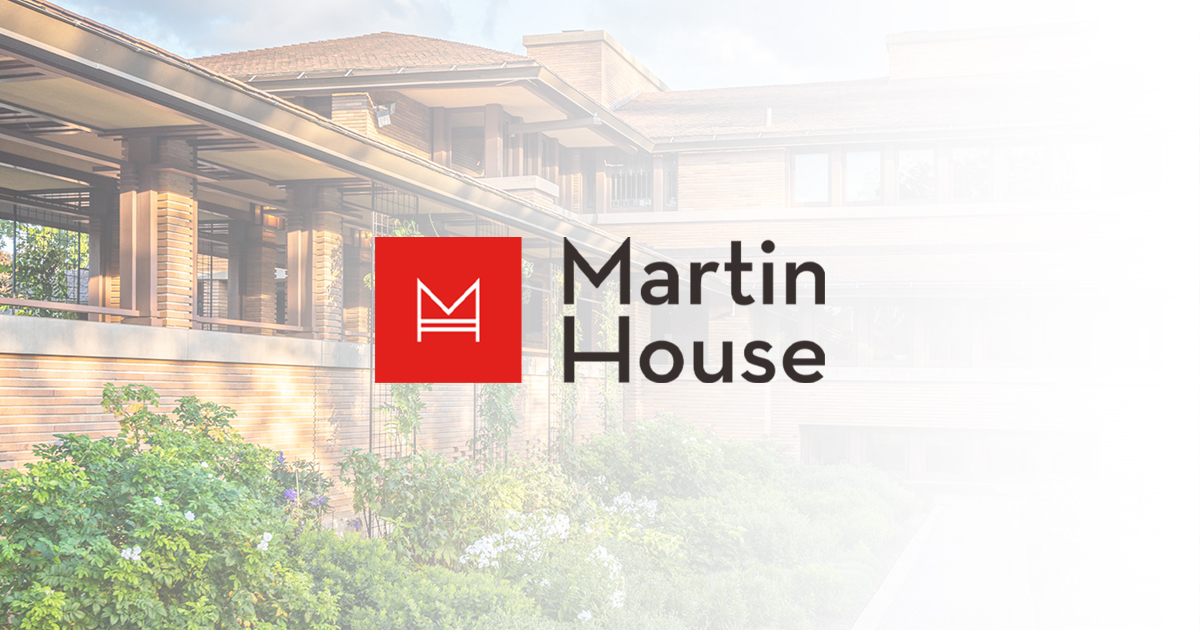
The Creative Residency Program at Frank Lloyd Wright’s Martin House is a project-based residency centered on one of Wright’s major residential complexes.
Key features:
- On-site lodging in the historic Gardener’s Cottage.
- A substantial stipend plus limited travel support for artists coming from outside the Buffalo-Niagara region.
- Extensive access to the Martin House architectural campus, archives, and landscape.
- Emphasis on new work that responds to architecture, design, history, and site.
There is no separate materials budget, so this suits projects where research, writing, performance, or light-footprint installation is central. If your practice can build conceptually on place, architecture, and design, this is one of the most generous and distinctive residencies in Buffalo.
University at Buffalo – Creative Arts Initiative (CAI)
Good for: mid-career and established artists working on ambitious, collaborative, or institutionally scaled projects.
The Creative Arts Initiative (CAI) at the University at Buffalo invites artists to work across campus departments and local cultural institutions.
Common elements include:
- Collaboration with university students, faculty, and partner organizations.
- Public programs: lectures, open rehearsals, performances, exhibitions, and site-specific works.
- Connections to institutions such as the Buffalo Philharmonic Orchestra, Burchfield Penney Art Center, Torn Space Theatre, and others.
This is less a quiet studio retreat and more a platform for creating visible projects with layered partnerships. It suits artists who are comfortable working in educational and institutional environments and who are ready to design public-facing work at scale.
Neighborhoods and where these residencies sit
Buffalo’s arts scene is spread across a handful of neighborhoods. Where you stay changes your daily rhythm and how easily you get to your residency site.
- Downtown: Home to the Hunt Art Gallery and close to Squeaky Wheel and other venues. Good if you want walkability, quick access to openings, and no car.
- Allentown: Longstanding arts neighborhood with older housing, bars, and small venues. Convenient to downtown and a solid base if your residency is central.
- Elmwood Village: Cafés, shops, and a walkable feel with proximity to museums and university-related institutions. Feels more residential but still active.
- Parkside: Near the Martin House and Delaware Park. Quieter, leafy, and great if you’re in the Martin House residency or want easy access to green space.
- West Side / Black Rock / North Buffalo: Mix of residential and industrial pockets, often with more affordable rents and potential live/work situations. Convenient for some alternative spaces and studios.
- Waterfront / Silo City area: Not typically where you stay, but crucial if your project involves Silo City, site-specific sound, or installation around the industrial waterfront.
Residencies with housing built in (like Martin House) remove a lot of stress. For others, consider how you’ll move between your housing, studio, and the venues you want to frequent.
Cost of living and budgeting your residency
Buffalo is generally more affordable than larger U.S. arts centers, but you still need a realistic budget, especially in winter.
Basic cost notes:
- Rent is the largest variable. Shared housing and sublets will stretch funds, especially if your residency doesn’t include housing.
- Utilities can spike in winter due to heating, so factor that in for longer stays.
- Transportation: a car adds cost (insurance, gas, parking), but may be necessary if you’re working at sites like Silo City or living farther out.
- Food and daily expenses are typically more manageable than coastal cities, and cooking at home will keep things steady.
Residencies that offer stipends or travel support, such as Martin House, can offset a large part of your costs. For others, plan around rent, local transit, and materials. Many artists combine a short residency with additional self-directed studio time before or after to get the most from their travel expenses.
Studios, tools, and production spaces
Buffalo’s studio ecosystem is one of its biggest assets, especially if you need specific tools or fabrication spaces.
Spaces to know:
- Mirabo Press – professional printmaking studio, etching, relief, monotypes, screenprint; key for print-driven projects and residencies.
- WNY Book Arts Center – letterpress, bookbinding, printmaking; residency plus workshops and community events.
- Squeaky Wheel Film & Media Art Center – media arts facilities, editing, screenings, and the Workspace Residency.
- The Foundry – maker space with tools for fabrication, design, and small-scale manufacturing; often connected to Squeaky projects.
- Buffalo Game Space – community for game developers and interactive media; useful for artists working with games and interactive work.
- CEPA Gallery – photography and lens-based practices, including darkroom and digital tools.
- Artspace Lofts and The Guild @980 – studio and live/work spaces that can be useful if you stay longer than a residency term.
- Vivid Buffalo Creative Center in North Tonawanda – small studios for rent, useful for artists extending a stay in the region.
Even if your residency is focused on one main site, think of these spaces as satellites: places to fabricate parts of a project, host side events, or build relationships for future work.
Getting around: transport and logistics
How you move around Buffalo will affect how much you actually get out of your residency.
- Car: Very useful if you’re working at Silo City, Martin House, or any site outside the dense core. Winter weather can be intense, so factor in your comfort level with snow and ice.
- Public transit: The city has bus routes and a light rail line downtown. It works reasonably well for central neighborhoods and downtown-to-campus connections, less so for late-night or outer industrial areas.
- Biking and walking: Realistic in warmer months, particularly between downtown, Allentown, and parts of Elmwood Village. Winter can shut this option down for longer trips.
Before you commit to a residency, map out where the studio, housing, grocery options, and key venues are relative to each other. That ten-minute walk on a summer site visit can feel very different in January.
Community, events, and how to actually plug in
The residencies are one part of the picture. The other is the ongoing community of artists, organizers, and venues that keeps Buffalo active year-round.
Key organizations and networks:
- Arts Services Inc. – regional hub for opportunities, including residency and studio listings. A useful first stop for scouting what’s currently active.
- Squeaky Wheel – regular screenings, talks, and workshops; essential if you work in media or want to meet artists across disciplines.
- WNY Book Arts Center – exhibitions, classes, and community events around book arts and printmaking.
- The Foundry – connects artists and makers, especially for fabrication-heavy projects.
- CEPA Gallery – photography and lens-based art, with exhibitions and programming that often feature regional artists.
- Burchfield Penney Art Center – major anchor for regional art, with exhibitions, talks, and collaborations with UB and independent artists.
- Buffalo AKG Art Museum – the city’s major art museum, with programming that can be useful context and networking terrain.
- Hunt Art Gallery – emerging-artist-focused, with bi-monthly exhibitions and events that intersect closely with the Hunt Residencies.
- Silo City – site for large-scale, experimental, and outdoor performance and installation, often connected to Squeaky Wheel and other partners.
During a residency, you can treat openings, talks, and workshops as an informal extension of your program. People in Buffalo’s arts scene tend to be approachable; introducing yourself as a current resident usually opens doors quickly.
Seasonality, timing, and visas
Your experience in Buffalo will shift with the season and the practicalities of travel.
- Spring to early fall is the most comfortable time for walking, biking, and site-specific work, especially at outdoor or waterfront locations.
- Summer often lines up with outdoor performances and Silo City programming, and can be ideal for residencies that involve public events.
- Fall and winter are still very active culturally, but you’ll need to be prepared for snow and shorter days; this can be great studio time if your work doesn’t depend on outdoor production.
If you’re coming from outside the U.S., ask each residency early about:
- Whether they provide invitation letters and what visa category they expect visitors to use.
- How stipends are paid and what tax forms you’ll need to complete.
- What they can document in terms of housing, dates, and project description.
Residencies in Buffalo vary widely in structure, so there is no one-size-fits-all answer here. The earlier you ask, the more time you have to align your plans and paperwork.
Matching your practice to the right Buffalo residency
To quickly align your work with Buffalo’s options, use this as a rough guide:
- You want mentorship, a cohort, and a path to exhibition: Focus on Hunt Residencies and pay attention to how your work fits their emerging-artist framework.
- You are print-focused or want to experiment with print processes: Look closely at Mirabo Press and WNY Book Arts Center.
- Your project is media-based, digital, or experimental with technology: Squeaky Wheel’s Workspace Residency is designed for you.
- You work site-specifically with architecture, history, or landscape: The Martin House Creative Residency offers both context and support.
- You’re mid-career and building a large, collaborative or public-facing project: The UB Creative Arts Initiative may be the right scale.
Used well, a Buffalo residency can be more than a temporary studio. It can be your entry point into a regional network of artists, curators, printers, media makers, and institutions that you can return to over time. Choose the program that genuinely matches your practice, map out the logistics, and treat the city as both your site and your extended studio.
Residencies in Buffalo
Frank Lloyd Wright's Martin House
Buffalo, United States
The Martin House Creative Residency Program at Frank Lloyd Wright's Martin House in Buffalo, NY, is a project-based residency offering creative individuals 2-4 weeks onsite to develop new works inspired by this iconic 20th-century architecture. It supports artists across various disciplines and researchers focusing on related themes, with residents receiving a $5,000 stipend, up to $1,000 in travel expenses, and housing in the Wright-designed Barton House. Participants must deliver a free public program, performance, or exhibition sharing their Martin House-inspired work.

Squeaky Wheel
Buffalo, United States
Squeaky Wheel's Workspace Residency supports artists and researchers working on media arts projects, offering short-term stays open to applicants from Buffalo and across the United States for resources, time, and support on ongoing or new work. Residents receive tailored access to facilities and equipment at Squeaky Wheel and partners like Buffalo Game Space, The Foundry, Mirabo Press, and Silo City, plus participate in public events such as artist talks and workshops. Typical durations are two weeks in spring and three weeks in summer, with stipends, housing for non-locals, and additional support provided.
Explore United States
More city guides
Opportunity Intelligence
Ready to find your next residency?
Get a personalized shortlist — scored against your practice, discipline, and what you need right now.
See how Intelligence works →