
City Guide
Brooklyn, United States
How to plug into Brooklyn’s residency ecosystem without losing your mind—or your budget.
Why Brooklyn is such a residency hotspot
Brooklyn has an unusually dense mix of residencies, studio programs, and cultural institutions packed into a relatively small geography. You get access to big-city visibility with just enough breathing room to actually make work.
At a practical level, artists go to Brooklyn because you can combine:
- A deep, interconnected art scene – galleries and project spaces, experimental performance venues, artist-run initiatives, and quick access to Manhattan institutions.
- Real production infrastructure – fabrication facilities, rehearsal studios, print and ceramic shops, and non-profits that actually care about emerging and mid-career artists.
- Neighborhoods with studio history – especially in industrial and waterfront areas where you still find semi-affordable workspaces compared with central Manhattan.
- Cultural credibility – residencies connected to names like BAM, the Brooklyn Botanic Garden, Green-Wood Cemetery, and Powerhouse Arts carry weight on a CV and in future applications.
If you want to grow your practice, test ambitious projects, and expand your network in a way that feels grounded rather than hype-driven, Brooklyn residencies are a good fit.
Key Brooklyn residency programs to know
Residencies here range from quiet live/work situations to highly structured institutional programs with big production support. The right one depends on how you work and what you need right now.
BAM Artist Residencies
Location: Downtown Brooklyn / BAM Cultural District
Good for: performance, theater, dance, and interdisciplinary artists who want institutional backing without the pressure of a big final show.
The Brooklyn Academy of Music’s artist residencies support a small cohort of New York-based artists and artistic teams across disciplines. The focus is on giving you what you actually need to develop work, not forcing you into a quick premiere.
What you get:
- Space to develop work (rehearsal or studio-type support depending on the project).
- Access to BAM’s archives and institutional resources.
- Unrestricted honorariums or development support.
- A transparent selection process by BAM’s programming team.
- No obligation to present at BAM, which means you can experiment and fail in private.
Best if you:
- Work in performance, dance, theater, or hybrid practices.
- Prefer a research and development period over a fast, exhibition-driven residency.
- Want a respected institution on your CV without locking into a specific production timeline.
More info: BAM Artist Residencies
Powerhouse Arts Artist-in-Residence (AiR)
Location: Powerhouse Arts fabrication facility, Brooklyn waterfront area
Good for: emerging to mid-career NYC-based artists who need serious tools and tech support.
Powerhouse Arts is built around fabrication. The AiR program treats you less like a guest and more like a working artist who needs infrastructure to pull off ambitious projects.
What you get:
- Three-month residency.
- $10,000 artist honorarium.
- $5,000 materials stipend.
- Access to state-of-the-art fabrication shops (print, ceramics, public art, textiles) with technicians and fabricators on hand.
- Communal studio space and access during open hours.
- Access to free materials via Materials for the Arts in Queens.
- Professional development, critiques, and mentorship from staff, established artists, and guest curators.
- Connection to an alumni network, exhibitions, and public programs.
What you’re expected to do:
- Commit a minimum of 20 hours per week onsite.
- Document your creative process.
- Participate in open studios.
- Lead at least one public program (talk, workshop, demo, or exhibition).
Eligibility snapshot:
- Must be an NYC-based artist, 18+.
- Not enrolled in a degree program during the residency period.
- Cannot be in another residency or gallery-represented during their specified dates.
- Priority for Black, Indigenous, artists of color, LGBTQIA+, disabled, and low-income artists who have been underrepresented in traditional residencies.
Best if you:
- Work in sculpture, installation, print, ceramics, textiles, or large-scale and public projects.
- Have a clear project that just needs tools, space, and skilled support.
- Can commit to a consistent weekly schedule.
More info: Powerhouse Arts Artist in Residence
Brooklyn Botanic Garden – Performing Artist in Residence
Location: Edge of Crown Heights / Prospect Heights, adjacent to Prospect Park
Good for: performance makers interested in ecology, landscape, and site-responsive work.
Brooklyn Botanic Garden’s performing artist residency lets you treat the garden as both studio and collaborator. It’s ideal if you work slowly, research deeply, and like to build performance out of place-based study.
What you get:
- Access to the garden grounds, including some time outside public hours by arrangement.
- Access to the BBG library and archives.
- Research meetings with gardeners and staff.
- Access to BBG events and public programs.
- A shared desk area and Wi-Fi.
- An $8,000 stipend plus additional production and performer-support funds.
You typically spend time onsite developing work, host some public classes or activities, then present a piece in the fall that’s clearly shaped by the garden.
Important limitations:
- No housing provided.
- No transportation support.
Eligibility snapshot:
- Must be a New York City resident.
- Performance-oriented disciplines: choreographers, dancers, musicians, playwrights, theater makers, and related practices.
Best if you:
- Are comfortable working around the public and in outdoor or semi-public spaces.
- Want to deepen ecological or site-based threads in your practice.
- Can self-fund housing and transport while using the stipend to support the work.
More info: BBG Performing Artist in Residence
Green-Wood Cemetery Artist in Residence
Location: Greenwood Heights / Sunset Park border
Good for: emerging artists working with history, memory, ritual, landscape, and site-specific practice.
Green-Wood is a historic cemetery with a dramatic landscape, and its residency leans into that. You create work that responds directly to the site, its archives, and its layered history.
What you get:
- Solo residency for one emerging artist.
- $5,000 honorarium.
- Private studio space in the landmarked Fort Hamilton Gatehouse.
- Access to Green-Wood’s archives, collections, and staff support.
- A platform for a site-specific installation or performance in the cemetery.
Eligibility snapshot:
- Emerging artist living and working in New York City.
- Open to both visual and performing arts.
Best if you:
- Are conceptually comfortable engaging a cemetery as a site: grief, remembrance, mortality, and public space all in play.
- Want a quiet, atmospheric studio environment.
- Can design a project that clearly ties into Green-Wood’s landscape and history.
More info: Green-Wood Artist in Residence
BAX Artist in Residence – Brooklyn Arts Exchange
Location: Park Slope / Gowanus-adjacent
Good for: dance, theater, and performance artists who want long-term development support and community.
BAX focuses on performance and is known for being deeply supportive of artists over time, not just as one-off guests. The residency is structured on an 18-month arc, which is rare and extremely useful if you build work slowly.
What you get:
- 450 hours of free rehearsal space spread over 18 months.
- An $8,000 stipend.
- Advisory, marketing, and production support.
- Mentorship from established artist advisors.
- Individual coaching from BAX’s artistic leadership.
- Free arts programming for the school-age children of parent artists.
Best if you:
- Make performance work that benefits from long rehearsal arcs.
- Want direct mentorship plus practical production support.
- Are a parent artist and need a residency that acknowledges caregiving.
More info: BAX Artist in Residence Program
Sharpe-Walentas Studio Program
Location: DUMBO
Good for: visual artists who want a serious, year-long, rent-free studio in a gallery-heavy neighborhood.
The Sharpe-Walentas Studio Program is one of the most recognized studio residencies in Brooklyn. It is not a live/work setup; it is focused on giving you high-quality workspace and a community of peers.
What you get:
- Rent-free, non-living studio space for one year.
- Community with 16 other visual artists.
- Open studios and public engagement opportunities.
- Visibility in DUMBO, where galleries, nonprofits, and arts organizations cluster.
Application rhythm:
- There is an annual open call, typically with a tight winter application window, so planning ahead is crucial.
Best if you:
- Have a production-heavy visual practice (painting, sculpture, installation, etc.).
- Can work independently and self-organize your own schedule.
- Want a dedicated year to build a strong body of work and cultivate collectors, curators, and gallerists.
More info: Sharpe-Walentas via DUMBO arts resources
Residency Unlimited
Location: Carroll Gardens / Cobble Hill area
Good for: artists and curators who want network-building, curatorial feedback, and context, not just a room with a desk.
Residency Unlimited runs flexible residency formats with a strong emphasis on professional development, studio visits, and connecting you to the broader art scene.
What you can expect:
- Support with meetings and curated visits rather than only physical studio space.
- Programming that introduces you to curators, critics, and other artists.
- A Brooklyn base with projects across New York City.
Best if you:
- Want access to people and contexts more than heavy fabrication resources.
- Work conceptually or research-based and benefit from conversation, critique, and visibility.
- Are a curator or artist interested in socially engaged or interdisciplinary work.
More info: Residency Unlimited
Ace Hotel Brooklyn – Artist in Residence
Location: Boerum Hill / Downtown Brooklyn edge
Good for: visual artists and designers whose work thrives in public, design-forward spaces.
Ace Hotel Brooklyn hosts a rotating artist-in-residence, pairing a production period with a public exhibition inside the hotel. It sits at the intersection of art, design, and hospitality.
What you get:
- Residency period hosted at the hotel.
- An exhibition window on-site following the residency.
- Public-facing visibility with a broad, non-specialist audience.
Best if you:
- Make work that looks strong in interior spaces and photographs well.
- Are comfortable being associated with a commercial/hospitality context.
- Prioritize exposure and presentation over dedicated fabrication space.
More info: Ace Hotel Brooklyn Artist in Residence
Brooklyn Arts Council resources and other leads
Brooklyn Arts Council maintains a resource list of artist-in-residence programs and related opportunities, including organizations like Brooklyn Arts Exchange, International Studio & Curatorial Program, Yaddo, and others.
You can treat their listings as a jumping-off point for:
- Finding additional residency programs beyond the major institutions.
- Identifying space-grant or rehearsal-based opportunities.
- Tracking how the local ecosystem is evolving.
More info: Brooklyn Arts Council – Artist-in-Residence resources
Where these residencies sit in Brooklyn’s neighborhoods
The geography matters. Transit, scale of your work, and everyday life will all be shaped by where your residency is based.
DUMBO
- Home to the Sharpe-Walentas Studio Program and many galleries.
- Stone streets, waterfront views, and heavy tourist traffic.
- Great for visibility, meetings, and openings; less great if you’re hauling huge sculptures on foot every day.
Downtown Brooklyn / BAM area / Boerum Hill
- BAM, Ace Hotel Brooklyn, and fast access to multiple subway lines.
- Performance-heavy ecosystem: theater, music, and cross-disciplinary projects.
- High transit connectivity makes it easier if you’re commuting from outer neighborhoods.
Park Slope / Gowanus
- BAX sits near Gowanus, which is full of studios, rehearsal spaces, and light-industrial conversions.
- Good balance of production infrastructure and a walkable, residential feel.
Crown Heights / Prospect Heights / Prospect Park edge
- Brooklyn Botanic Garden and the Brooklyn Museum sit along this edge.
- Excellent if your work is research-based, ecological, or tied to public institutions.
Sunset Park / Greenwood Heights
- Green-Wood Cemetery and nearby industrial buildings.
- Often more practical for larger studio spaces and fabrication-heavy work.
When you apply, map your likely commute, where you’ll live, and how you’ll move materials. A dreamy studio is less useful if it takes two hours each way with no freight elevator.
Practical planning: money, visas, timing
Cost of living and budgeting
Brooklyn is expensive, but the right residency can soften the blow. When you look at programs, pay attention to what they actually offset.
Main cost buckets to plan for:
- Housing: Very few Brooklyn residencies offer housing. Most assume you are already in NYC or can arrange your own stay.
- Transit: Budget for subway and bus rides, plus occasional rideshares if you’re moving work.
- Studio and materials: Some programs (Powerhouse Arts, BAX, Sharpe-Walentas) dramatically reduce this piece; others mainly offer visibility and institutional context.
- Food and daily life: Factor in higher-than-average city prices.
- Shipping and transport: If your work is large or fragile, set aside funds for crates, moving, or storage.
Residencies that offer a stipend or honorarium (Powerhouse, BBG, BAX, Green-Wood) can partially offset these costs. Treat the stipend as project support first, survival budget second, and plan accordingly.
Visa and eligibility basics
For non-U.S. artists, the main issue is that many of these programs are designed for NYC-based artists and do not function as visa sponsors.
Before spending time on an application, check:
- Does the residency explicitly require NYC residency? (Several do: Powerhouse Arts, BBG, Green-Wood.)
- Are they able to provide an invitation letter if you already have a path to a visa?
- Is the stipend considered taxable income in the U.S.?
- Do they state that you must already be authorized to work or receive payment in the U.S.?
Most Brooklyn-based residencies in this guide are not structured to sponsor visas. If you’re international, look for programs that either explicitly mention international artists or clarify how they handle legal and financial logistics.
When to apply and when to be in Brooklyn
Residency application cycles tend to cluster in colder months, and many programs work a year or more ahead.
General patterns you’ll see:
- Winter and early spring application windows for the following year.
- Seasonal or cohort-based programs tied to spring, summer, or fall residencies.
- Annual calls with firm dates (Sharpe-Walentas is a good example), so you need to watch their sites.
Seasonal feel of Brooklyn for artists:
- Spring: Open studios, more public events, good time to visit and understand neighborhoods.
- Summer: Strong for site-based work and slower institutional schedules; good for production if you can handle the heat.
- Fall: Gallery season, lots of openings and performances, great for visibility and networking.
- Winter: Quiet but productive for applications, planning, and indoor studio work.
Plan your portfolio, statements, and documentation at least a few months before the cycles you’re aiming at. Having a residency-ready package makes it easier to apply widely once the calls open.
How to choose the right Brooklyn residency for your practice
A quick way to sort your options is to match your current priority to the type of support each program actually excels at.
- If you need space and time to build a body of work: Prioritize Sharpe-Walentas, BAX (for performance), and Green-Wood.
- If you need fabrication muscle and technical support: Powerhouse Arts is the clearest fit.
- If you want institutional context and research access: Look at BAM, Brooklyn Botanic Garden, Green-Wood, and Residency Unlimited.
- If you want visibility and public platform: Ace Hotel Brooklyn, DUMBO-based programs, and BAM-adjacent opportunities are strong.
Use Brooklyn as an ecosystem, not just a single residency site. You might do a studio-focused program first, then a performance or institutional residency later, building a layered connection to the borough over several years.
Whichever path you choose, the key is aligning what a residency actually offers with where your practice needs to grow next. Once those match, Brooklyn can be an extremely generous place to work.
Residencies in Brooklyn
International Studio & Curatorial Program (ISCP)
Brooklyn, United States
The International Studio & Curatorial Program (ISCP) is a global residency based in Brooklyn, New York, designed to support the creative and professional development of artists and curators. Founded in 1994 and located in a renovated industrial building, ISCP provides a platform for the presentation of innovative art projects, fostering international cultural exchange through its residency programs, public programs, and events. The program offers 35 light-filled work studios, two galleries, and a project space, making it one of the most comprehensive international visual arts residency programs in New York. Artists and curators are provided with private, furnished studio spaces and have 24-hour access to communal facilities. Although ISCP does not offer accommodation, most international program sponsorships include stipends for living expenses, materials, and housing. Residencies typically last three to twelve months, inviting residents to engage in a range of activities including Visiting Critics, Field Trips, Artists at Work presentations, and biannual Open Studios.
Kunstraum
Brooklyn, United States
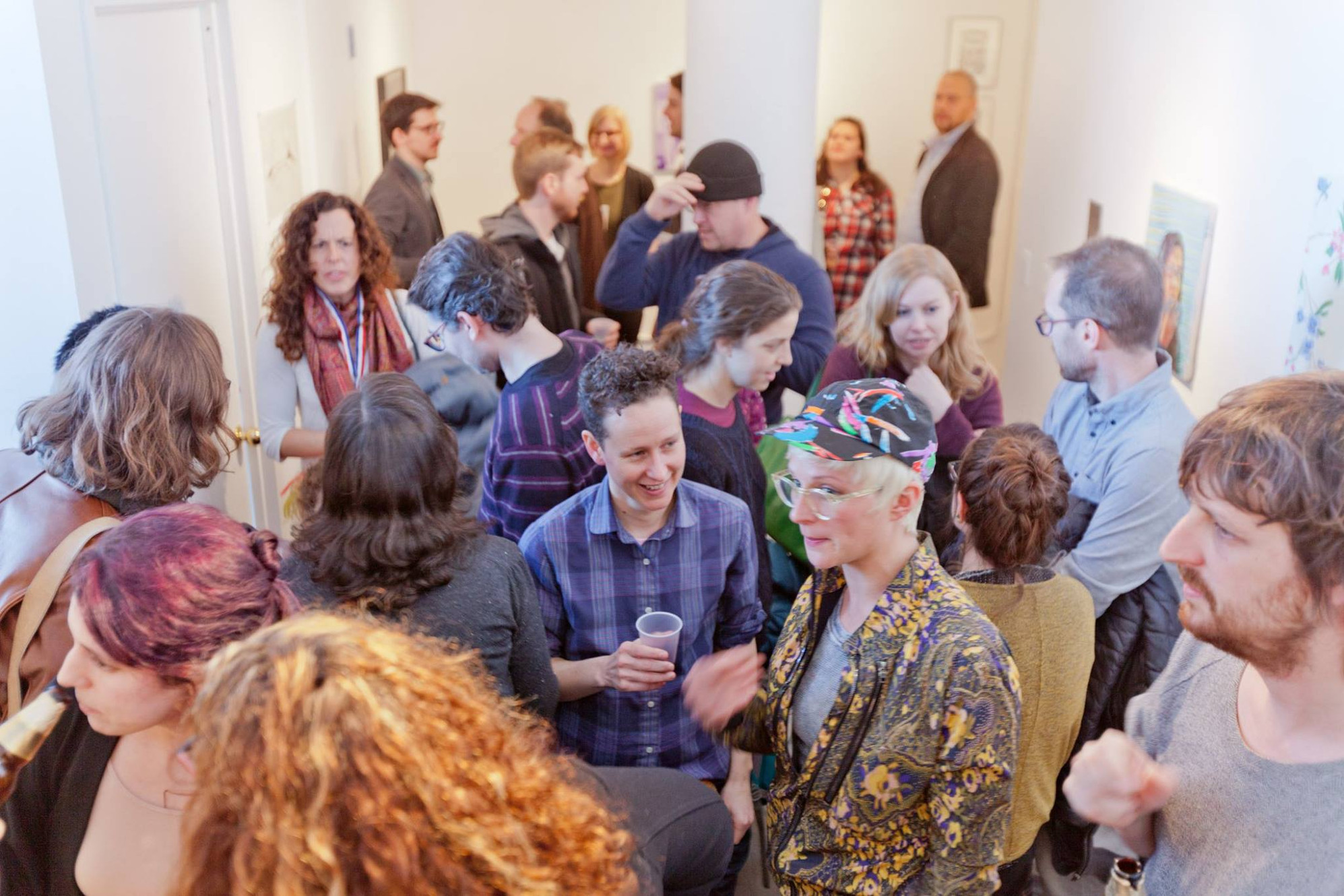
Kunstraum is an artist-run hub, incubator and gallery space in Brooklyn offering 3 months, 6 months and 12 months residencies which includes studio workspace, studio visits, exhibition opportunities & professional services in Brooklyn.Residency Programme since: 2015Description of Organisation: In February 2015, we opened the gallery and artist-hub Kunstraum by the Navy Yard in Brooklyn. As an interdisciplinary team of curators, artists, and architects, we seek to promote emerging art, as well as
Lakou NOU by Haiti Cultural Exchange (HCX)
Brooklyn, United States
The Lakou NOU Artist Residency, organized by Haiti Cultural Exchange (HCX), supports artists of Haitian descent in creating and presenting new work within Brooklyn’s Haitian communities. Over nine months, artists engage with local neighborhoods, including Crown Heights, Canarsie, East Flatbush, and Flatbush, using their creative talents to address community issues and build connections. The residency includes a $7,500 stipend, professional development, and mentorship opportunities. Artists collaborate with local organizations, participate in workshops, and showcase their work through public events. This residency fosters artistic growth and cultural exchange, helping artists to deepen their engagement with community-led activism and cultural preservation.
Explore United States
More city guides
Opportunity Intelligence
Ready to find your next residency?
Get a personalized shortlist — scored against your practice, discipline, and what you need right now.
See how Intelligence works →