
City Guide
Branca, Portugal
How to use tiny Branca as your eco-art base, and what to know about Quinta das Relvas and the wider residency ecosystem around it
Why Branca is on artists’ radar at all
Branca is a small parish in the municipality of Albergaria-a-Velha, in central Portugal. You don’t go there for a classic big-city art scene. You go for space: physical, mental, and literal fields of green. The main reason it shows up on artists’ maps is one key residency: Quinta das Relvas, an eco-farm turned arts and sustainability hub.
If you like the idea of working in a rural setting with communal rhythms, compost toilets, shared meals, and a mix of art and permaculture conversations, Branca can be a good fit. If you need nightlife, galleries, and daily openings, it’s better as a retreat stop rather than a long-term base.
Quinta das Relvas: the anchor residency in Branca
What the program actually offers
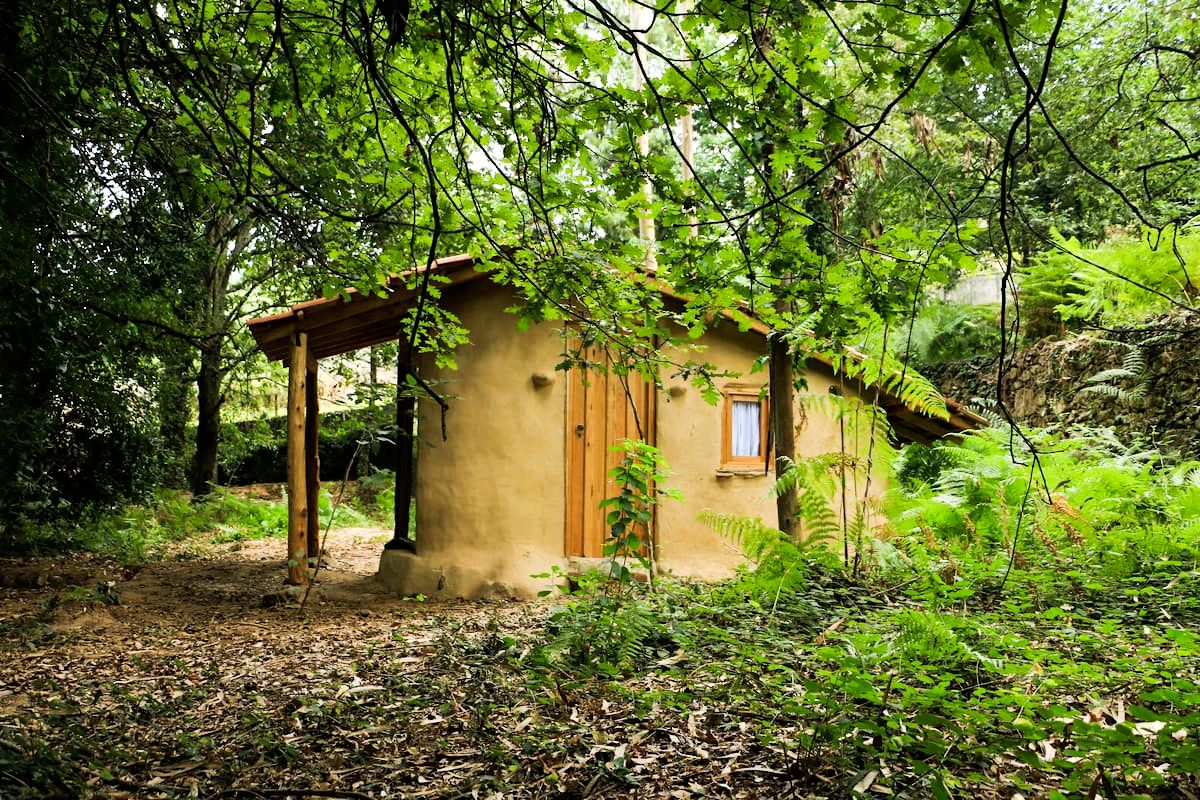
The residency is open to a wide range of visual and performative disciplines: painting, sculpture, photography, installation, performance, and hybrid practices. You stay in eco-tiny houses on a 20-hectare property that includes gardens, natural materials, and outdoor spaces to work in. Core facilities include:
- An approximately 80m² visual art studio with shared worktables, wall space, and room for medium-scale projects
- A performative atelier where you can rehearse performance, movement, or time-based work
- Access to natural materials from the land: plants, earth, wood, found objects
- Garden areas and farmland that feed into both the kitchen and site-specific work
- Multimedia tools and an analog photography studio for artists blending digital, sound, or photo-based practices
Residency durations are usually around a month, in specific periods throughout the year. They often run multiple cycles, so you’ll likely be there with a small international group rather than alone on the farm.
Daily life at Quinta das Relvas
Expect a self-directed structure with community anchors. This usually includes:
- Independent studio time during the day, divided between the main studio, your tiny house, and the outdoor areas
- Shared meals or at least shared kitchen routines that become a social hub
- Workshops and mentoring sessions on art practice, sustainability, permaculture, or community projects
- Study visits or small field trips to nearby towns, landscapes, or partner spaces
- Open studios where you share your work with fellow residents and sometimes local visitors
The program blends artistic research with eco-conscious living. You’re not only expected to produce work; you’re invited to consider how your practice interacts with the land, local community, and ideas around sustainable development.
Who this residency suits
Quinta das Relvas is especially suited to artists who:
- Work in visual or performance-based disciplines and don’t require highly specialized industrial equipment
- Are comfortable sharing space, tools, and time with other residents
- Are curious about permaculture, ecology, and sustainability and open to letting these ideas inform their work
- Can handle a rural environment with fewer urban distractions
- Want to slow down and reassess their practice in a quieter context
If your practice depends on large-scale fabrication, heavy machinery, or a dedicated soundproof studio, this residency can still work, but you’ll need to plan carefully and scale your projects realistically.
Branca as a place: what it feels like to stay there
Branca is not a big destination town. It’s a rural parish, which means life is slower and more spread out. You’ll likely spend most of your time on the Quinta property, with occasional trips into the surrounding area for supplies, walks, or day trips.
Getting to and from Branca
Branca sits in central Portugal, roughly between Porto and Coimbra. The usual route is:
- Arrive internationally into Porto (or sometimes Lisbon if flights work better)
- Travel by train or bus to the region of Albergaria-a-Velha or a nearby town
- Take a local taxi or arranged pickup to the residency
Check directly with Quinta das Relvas about the closest stations and any recommended routes, as they often have updated advice for incoming residents.
What you actually have access to locally
Within Branca and the immediate area, you can expect basics:
- Small shops or supermarkets for groceries and essentials
- Cafés, bakeries, and a few local restaurants
- Pharmacies and basic medical services in the broader municipality
- Walking routes, fields, and wooded areas rather than busy streets
For specialized art supplies, tech equipment, or more niche needs, plan trips to larger nearby cities or bring what you can with you.
Cost of living and budgeting tips
Compared to larger European cities, the cost of basics in rural Portugal is relatively low. Your main expenses around Branca will be:
- Residency fee (check current details on the residency’s own site)
- Groceries and household items for the duration of your stay
- Transport to and from the residency, plus any day trips
- Art materials you can’t source locally
If you’re used to city coffee and restaurant prices, you may find that small-town Portugal helps stretch your budget, especially for food.
How Branca fits into your broader residency plan
Because Branca itself is small, it often works well as part of a wider residency or travel strategy in Portugal. You can think of it as your quiet base, then connect it to more urban or tech-focused residencies elsewhere in the country.
Pairing Branca with other Portuguese residencies
Some options you might look at before or after Quinta das Relvas:
- Lisbon-based residencies like HANGAR or Prisma AIR (see listings on the Artist Communities Alliance directory) if you want urban research, galleries, and international networks
- Central-periférica in Alcobaça, an artistic research center focused on contemporary art, architecture, and environment, connecting with New European Bauhaus themes like sustainability and inclusivity
- Buinho in Messejana (Res Artis lists it) if you want a Fablab residency with access to 3D printers, laser cutters, and maker tools
Branca can give you a reflective, eco-focused month, then a city-based residency can help you test that work in a public and professional context.
How long to stay in Branca
Most artists find that one month at Quinta das Relvas is a good rhythm: enough time to settle in, adjust to the pace, and complete a project or research phase. A shorter stay can feel rushed; a much longer stay makes sense if you are specifically building a long-term eco-art project or community collaboration.
If you’re combining residencies, consider this sequence:
- Start with a city residency to collect materials, references, and inspiration
- Move to Branca for focused production and reflection
- Return to a more urban setting for presentation, networking, and feedback
Working practically in Branca: studios, materials, and tech
Rural residencies can be incredibly productive if you plan ahead. Branca is no exception. You’ll have space and basic tools, but your more specialized needs should be sorted before you arrive.
Studio habits that work well at Quinta das Relvas
To make the most of the shared facilities:
- Plan modular projects that can be split across indoor studio, outdoor work, and your accommodation
- Use the natural environment as material or subject, especially if you work in sculpture, installation, or photography
- Block out quiet hours for deep work and keep communal times (meals, workshops) free for discussion
- Set up simple documentation—using phone or camera—to capture works-in-progress and the landscape
Materials and tools: what to bring
Expect the residency to provide basic shared tools and infrastructure, but you should bring:
- Core art materials you rely on daily (specific paints, inks, specialty paper, particular drawing media)
- Portable tools like brushes, cutting tools, preferred sketchbooks, or small electronics
- Back-up digital storage, especially if you work with video, sound, or photo
- Adapters and cables suitable for Portuguese power outlets
If you anticipate working with found or natural materials, leave some of your project open: Branca’s environment is often generous with wood, plants, and textures you can integrate spontaneously.
Community, collaboration, and showing work in and around Branca
Branca is not packed with galleries, but that can work in your favor if you want to experiment without the pressure of a big-city audience. The community around Quinta das Relvas is often a mix of resident artists, local neighbors, and visiting workshop participants.
Collaboration opportunities
You can find collaboration in several ways:
- Within the residency cohort: co-authoring a performance, group installation, or zine
- With local community members: projects around the farm, garden, or village, especially if you work with social practice or participatory methods
- Online: streaming small talks, open studios, or work-in-progress sessions for your wider network
Because the structure is relatively flexible, you can propose informal events, reading groups, or shared experiments quite easily.
Showing work: open studios and beyond
Quinta das Relvas usually frames the residency around open studios or some kind of public sharing at the end. That might include:
- A studio walk-through for fellow residents and local visitors
- Outdoor installations or performances on the land
- Screenings, readings, or sound pieces in the performative atelier
Use Branca as a testing ground, then bring documentation and refined versions of the work into galleries, festivals, or academic contexts later on.
Visas, language, and accessibility basics
Portugal is used to hosting international artists and travelers, but you’ll still want to double-check your own situation.
Visa considerations
Visa requirements depend heavily on your nationality and length of stay. In many cases, short residencies can fit within a regular tourist or Schengen short-stay allowance. If you’re planning multiple residencies back-to-back in Europe, count your days carefully and check current rules with official consular sources.
Language and communication
The local language is Portuguese, but many people connected to the arts or tourism speak at least some English. It helps to learn a few Portuguese basics for everyday interactions, especially in smaller towns where English is less common. Residency staff will usually bridge language gaps for essential logistics.
Accessibility and comfort
Quinta das Relvas is on a historic rural property with uneven ground and older buildings, so accessibility can vary. If you have specific mobility or health needs, contact the residency directly and ask targeted questions about:
- Access to studios and accommodations
- Bathroom and shower setup
- Distance between workspaces and living spaces
- Transport options to medical services if needed
How to decide if Branca is right for your practice
Branca, through Quinta das Relvas, gives you a particular combination: rural quiet, eco-farm rhythms, and a structured but informal art residency. It’s a strong fit if you:
- Want to reconnect with your practice away from city pace
- Are open to communal living, shared resources, and non-formal educational settings
- Are curious about how art, sustainability, and everyday life can interlock
- Don’t need heavy fabrication or constant access to galleries during your stay
If that sounds like you, Branca can become a powerful part of your residency path in Portugal: less about networking at openings, more about building work from the ground up, literally surrounded by fields, gardens, and a community that’s thinking about art and ecology in the same breath.
Explore Portugal
More city guides
Opportunity Intelligence
Ready to find your next residency?
Get a personalized shortlist — scored against your practice, discipline, and what you need right now.
See how Intelligence works →