
City Guide
Berlin, Germany
How to use Berlin’s residency scene to deepen your practice, not just collect another line on your CV
Why Berlin is such a residency magnet
Berlin isn’t just “a cool city with galleries.” It’s a residency ecosystem: big institutions, artist-run spaces, and multiple overlapping residency programs all feeding into each other. The draw is simple: you get time, space, and serious conversation around your work, with more flexibility than in many other capitals.
For artists, three things make Berlin stand out:
- Scale of the art scene: Major museums like Hamburger Bahnhof, Berlinische Galerie, KW Institute for Contemporary Art, Gropius Bau, Haus der Kulturen der Welt (HKW), daadgalerie, and the Neue Nationalgalerie are all within reach. On top of that, there are countless project spaces and independent initiatives.
- International, cross-disciplinary community: Residency cohorts regularly mix visual artists, writers, filmmakers, sound artists, choreographers, and researchers. The city is very comfortable with hybrid practices and socially engaged work.
- Relative affordability and space: Costs have risen, but you can still find larger studios and a bit more breathing room than in London, Paris, or New York, especially if your residency provides housing.
Residencies in Berlin tend to encourage experimentation: performance, installation, sound, moving image, research-driven projects, and work that doesn’t need to resolve into a commercial gallery show right away.
Key residency programs to know
You’ll find everything from fully funded, highly competitive fellowships to modest studio stays. Here’s how some of the better-known options differ in feel and focus.
DAAD Artists-in-Berlin Program
DAAD Artists-in-Berlin is one of the most prestigious residency programs around, not just in Germany. It supports visual arts, film, literature, and music/sound.
What it offers:
- Funded residency with monthly stipend and usually accommodation and travel support
- Curatorial and professional support, often leading to exhibitions, concerts, readings, and screenings
- Close connection to daadgalerie and partner institutions in Berlin and beyond
Who it suits: Established or strongly recognized artists with a solid body of work and an international profile. This is a program to consider when your practice is already very developed and you want time to research, think, and build new collaborations without pressure to “produce” in a conventional way.
Künstlerhaus Bethanien – International Studio Programme
Künstlerhaus Bethanien is one of Berlin’s best-known residency centers, offering live-work studios, institutional visibility, and heavy curatorial traffic.
What it offers:
- Individual live-work studio spaces with shared facilities on each floor
- Curatorial visits, workshop access, and inclusion in their publication ecosystem (such as BE magazine)
- Regular public programs: open studios, exhibitions, and events that are well attended by Berlin’s art community
Who it suits: Artists with a relatively mature practice who want a structured studio residency with strong visibility and networking. It’s particularly good if you want to meet curators, critics, and other international residents in a focused way.
Contemporary at Blue Star – Berlin Residency (Bexar County artists)
The Contemporary at Blue Star in San Antonio partners with Künstlerhaus Bethanien to send four artists from Bexar County to Berlin for three-month residencies.
What it offers:
- Three-month stays at Künstlerhaus Bethanien in Berlin
- Studio and living space, program fees, curatorial visits, and workshop access covered
- $2,000 stipend to help with travel and living costs
- Visits to Darmstadt and local cultural institutions, plus a public program back in San Antonio after the residency
Who it suits: Artists based in Bexar County who want a structured international residency but also value a clear link back to their local scene.
Urban Nation – Fresh A.I.R.
Urban Nation’s Fresh A.I.R. residency focuses on urban art and new contemporary art, with a strong street-art and public-art sensibility.
What it offers:
- Fully funded longer-term residency (around 11 months in many cycles)
- Accommodation and studio spaces tailored to muralism and large-scale work
- Monthly stipend, materials budget, and travel support
Who it suits: Artists working with graffiti, mural painting, interventions in public space, and socially engaged urban practices. If your work sits between street culture and contemporary art discourse, this is the right context.
ZK/U – Center for Art and Urbanistics
ZK/U Berlin hosts an international residency program that revolves around city research, urban practice, and social questions.
What it offers:
- Residencies that mix artists, urbanists, architects, social scientists, and activists
- Public programs, research formats, and collaborative projects
- Networking between international residents and Berlin-based practitioners
Who it suits: Artists interested in socially engaged practice, urban research, and projects that sit between art and civic life. ZK/U is less about isolated studio time and more about context, community, and shared inquiry.
Takt Artist Residency
Takt runs residencies in Berlin (Prenzlauer Berg) and other locations in Germany, usually ranging from one to six months.
What it offers:
- Residency stays with apartments and studio spaces
- A mix of self-directed work time and program elements like open studios or talks, depending on the cycle
- A community of artists across disciplines: painting, performance, writing, film, design, and more
Who it suits: Artists who want an organized but relatively flexible residency in a calm neighborhood, with a focus on day-to-day studio practice and peer contact rather than heavyweight institutional visibility.
KHBstudios Berlin / AG Minimales Reisen
KHBstudios offers two small residential studios in Berlin, linked to AG Minimales Reisen, an anti-elitist artist initiative focused on “minimal travel.”
What it offers:
- Compact studios with loft beds and workspace
- Short stays, typically starting from two weeks (with a week-based residency fee)
- Participation in occasional events and a context centered on process and research rather than prestige
Who it suits: Artists who like intimate, low-key setups and want to use Berlin as a short, intense research stop. Good if you’re self-motivated and comfortable working in a small space.
Stiftung Starke – Artist in Residence
The Starke Foundation runs an Artist in Residence program in Berlin, often offering free accommodation and workspace to emerging artists.
What it offers:
- Residency periods that can span several months
- Studio and living space at no cost to the artist
- Opportunities for exhibitions and introductions to curators, institutions, and collectors
Who it suits: Emerging artists ready to engage with a professional network and who want to reduce living costs while focusing on work.
Berlin Art Institute (BAI) – Studio Program
BAI is more like a hybrid between a residency and an independent art school, offering studio space plus structured programming.
What it offers:
- Studio access in a shared environment
- Lectures, seminars, critiques, and visits by curators and artists
- Flexible durations, so you can choose how intensive and long your stay should be
Who it suits: Artists who want guidance, feedback, and a semi-educational format, especially if you appreciate a regular schedule of talks and critiques.
Film- and moving-image focused residencies
Berlin Film Residencies clusters several programs supported by the region’s film funding bodies.
What they offer:
- Residencies for filmmakers, screenwriters, and moving-image artists
- Depending on the program, a mix of accommodation, workspace, and allowance
- Connection to Berlin’s film institutions, festivals, and production networks
Who they suit: Artists whose practice sits close to cinema and the film industry, and who want to develop scripts, edits, or hybrid time-based projects within a professional film context.
Neighborhoods and how residencies fit into them
Where a residency is located will shape your everyday rhythm. Berlin is spread out, but public transport covers most of the city well, so you can live or work in one district and circulate for events in others.
- Neukölln: Packed with artist studios, project spaces, and nightlife. Good if you want a dense, international community and don’t mind some noise and constant activity.
- Kreuzberg: Historically alternative, central, and full of galleries, performance venues, and activist spaces. Many openings and events happen here or just across the canal.
- Wedding: Increasingly important for studio buildings and experimental spaces, with relatively lower rents. If a residency puts you here, you get room to work and still easy access to other districts.
- Moabit: Often transitional and practical, with growing art infrastructure. Close to central areas but a bit more low-key in daily life.
- Prenzlauer Berg: Takt’s Berlin location is here. The area is quieter and more residential than it used to be, but still close to galleries and project spaces.
- Mitte / around Auguststraße: High concentration of commercial galleries and some institutions. Great for networking; less realistic for finding affordable independent housing.
- Charlottenburg / Tiergarten: Mix of established galleries and major institutions. More polished, less grassroots, but important for visibility.
Residency strategy many artists use: live slightly further out (for affordability and calm) and treat gallery districts as your “commute” for openings, meetings, and research.
Costs, visas, and practical realities
Berlin is no longer a low-cost secret, but it can still work well if the residency is realistic about money and time. Before you accept or apply, do some quick math.
Cost of living basics
Rough monthly ranges for a solo artist:
- Room in a WG (shared flat): about €600–€1,000+ depending on district and setup
- Small studio apartment: often €1,000–€1,600+ on the open market
- Utilities and internet: around €50–€150
- Public transport pass: roughly €49–€65 per month depending on ticket and zones
- Food: around €250–€500+ depending on habits
- Separate studio space: highly variable; subsidized studios exist but are competitive, and commercial spaces are more expensive
Many residencies sidestep the most difficult issue—housing—by offering live-work studios or subsidized accommodation. If a residency only offers a stipend, check if it realistically covers rent plus basic costs, especially for unfunded time before or after the program.
Visa and paperwork
Visa needs change depending on passport and length of stay.
- EU/EEA/Swiss citizens: generally no visa needed to live and work; you may have to handle local registration.
- Non-EU nationals: you may need a Schengen visa for short stays or a national visa/residence permit for longer residencies or freelance work.
Good practice for residency-related visas:
- Ask the host for an official invitation letter early.
- Clarify if they help with registration appointments, health insurance expectations, and any documentation about stipends or housing.
- Check with the German embassy or consulate in your region for the latest rules; details change and depend on whether you’re being paid a stipend, salary, or receiving only in-kind support.
Getting around once you’re there
Most residents rely on public transport and a bike.
- BVG network: U-Bahn, S-Bahn, trams, and buses cover the city efficiently.
- Airport and trains: Berlin Brandenburg Airport (BER) connects you internationally; long-distance trains make trips around Europe easy and often more sustainable.
- Daily rhythms: Many institutions and galleries cluster in central districts, but residencies may be farther out. Budget time for commuting by train or bike when you schedule meetings and openings.
Using Berlin’s art infrastructure while in residency
Residency time goes fast. A bit of structure helps you actually use the city instead of just hearing about it.
Institutions and project spaces
Some key places to keep on your radar:
- Hamburger Bahnhof – major contemporary art museum
- Berlinische Galerie – strong on Berlin-based practices and history
- KW Institute for Contemporary Art – programmatic, discursive exhibitions and events
- Gropius Bau – large-scale shows, often with international curatorial frameworks
- Haus der Kulturen der Welt (HKW) – transdisciplinary programs, often research- and theory-heavy
- daadgalerie – tightly linked to DAAD fellows and experimental formats
- Neue Nationalgalerie – modern art collection and special exhibitions
Outside these, Berlin thrives on project spaces and artist-run initiatives: short-lived exhibitions, off-site interventions, and recurring open studios. Many residencies plug directly into this network, so follow their newsletters and ask staff which spaces align with your work.
Events, open studios, and informal networks
Throughout the year you’ll find:
- Berlin Art Week – citywide focus on exhibitions, talks, and fairs
- Gallery Weekend Berlin – packed days of openings and parties, useful if you’re researching galleries or curatorial conversations
- Transmediale and CTM Festival – if you work with media art, sound, or digital culture, these are key meeting points
- Berlin Biennale – periodic major exhibition that pulls international attention
- Long Night of Museums – extended museum opening hours and special programs
- Residency open studios: at places like ZK/U, Bethanien, Takt, and others, these are low-pressure spaces to meet people and show what you’re doing
Many connections happen informally: studio visits arranged through friends of friends, crit groups, or conversations after openings. It helps to treat your residency like a temporary local practice: be present, show up repeatedly, and follow up with people whose work genuinely resonates with yours.
How to choose the right Berlin residency for you
Before you decide where to apply or what to accept, match the residency format to what your practice actually needs right now.
- If you want deep, protected research time: Look at DAAD or research-focused residencies like ZK/U, or smaller, quiet setups like KHBstudios. Make sure expectations for public output are realistic.
- If you want visibility and curatorial contact: Künstlerhaus Bethanien, DAAD, or programs linked to strong institutional partners are good fits.
- If you’re early career and need structure: BAI’s studio program or residencies with built-in seminars, critiques, or mentoring can help you get feedback and develop a language around your work.
- If you work in urban, street, or socially engaged public practice: Urban Nation – Fresh A.I.R. and ZK/U align well with that focus.
- If your practice is time-based or close to cinema: Film-specific residencies via Berlin Film Residencies are designed for that workflow and industry connection.
The main question to keep asking: will this residency give you the conditions your current project needs (time, space, community, or visibility), or is it just an attractive name? Once you’re clear on that, Berlin’s residency scene becomes a lot easier to navigate and a lot more generous to work in.
Residencies in Berlin
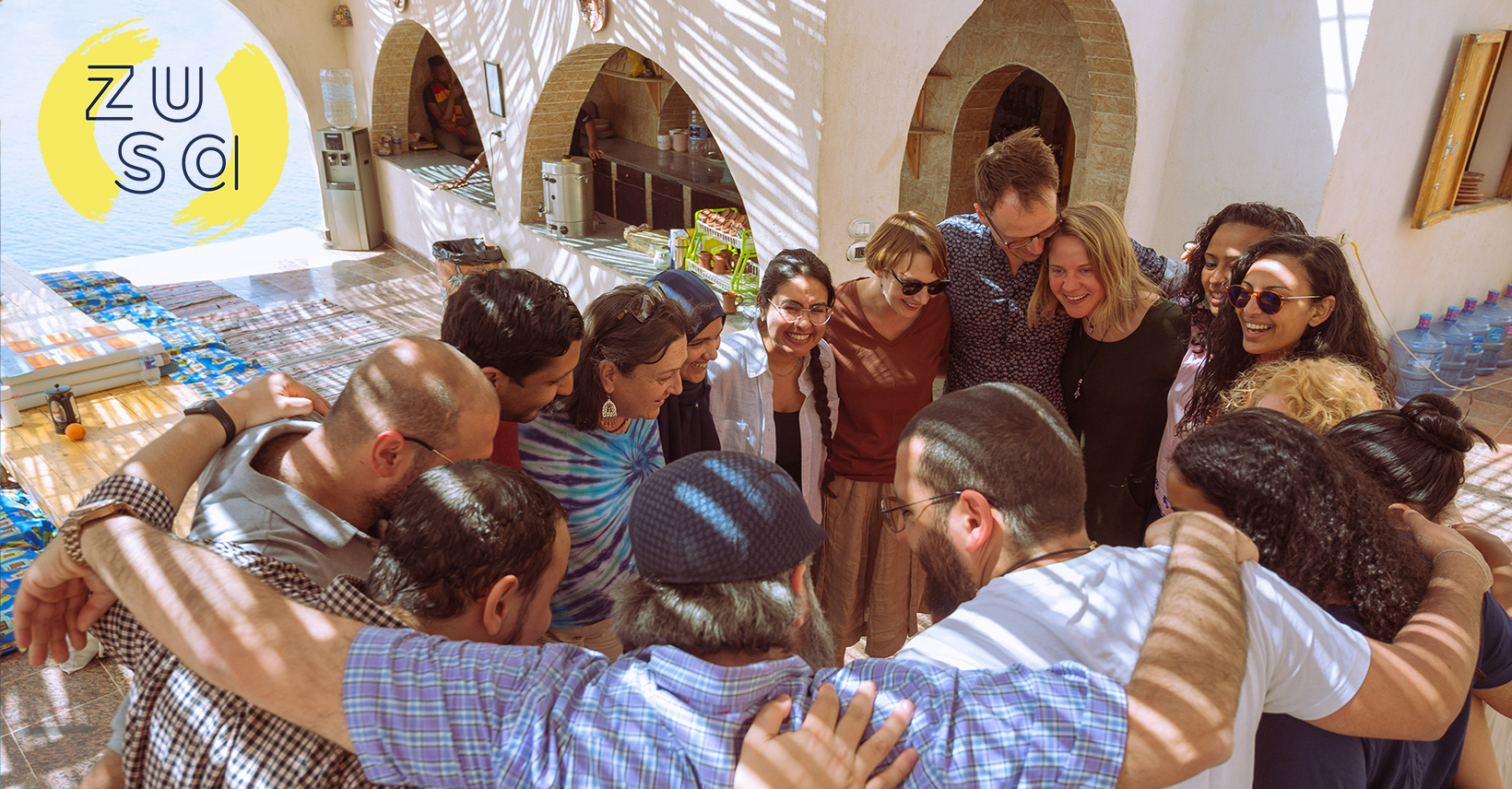
AiR zusa
Berlin, Germany
AiR zusa is a non-product-oriented residency program in Berlin designed to provide artists, cultural managers, curators, and arts and culture activists from Ukraine and other countries at risk with a safer space for rest, mental health support, and professional resilience-building. The program emphasizes process, self-reflection, and personal growth rather than artistic output, offering participants time to heal and reconnect with local and international cultural networks.
Akademie der Künste Studio for Electroacoustic Music
Berlin, Germany
Public platform for artistic innovation in electroacoustic music and sound art at the Akademie der Künste. Offers residencies, production facilities, and houses historic electronic instruments from East Germany's pioneering electronic music era.
American Academy in Berlin
Berlin, Germany
The American Academy in Berlin is a private, nonprofit institution offering semester-long residential fellowships to American scholars, artists, writers, composers, and journalists for advanced independent research and creative work in the arts, humanities, social sciences, and public policy. Fellows reside at the Hans Arnhold Center on Lake Wannsee and engage in transatlantic dialogue through public lectures, readings, performances, and discussions.
Explore Germany
More city guides
Opportunity Intelligence
Ready to find your next residency?
Get a personalized shortlist — scored against your practice, discipline, and what you need right now.
See how Intelligence works →