City Guide
Belle, United States
Osage Arts Community turns a quiet Missouri farm town into a serious work retreat for artists who need time, space, and focus.
Why Belle, Missouri is on artists’ radar
Belle, Missouri is a tiny rural town in central Missouri, and you go there for one main reason: to work. This isn’t a gallery district or nightlife destination. It’s calm, remote, and centered almost entirely around the Osage Arts Community (OAC), a residency built on a 160-acre farm near the Gasconade River.
If you crave long, uninterrupted stretches of time, a clear horizon, and a low-cost place to push a project forward, Belle can be a strong fit. The trade-off: you give up easy city conveniences and step into a slower, more solitary rhythm.
This guide focuses on Belle, Missouri and Osage Arts Community so you can quickly see if it matches your practice and personality.
Osage Arts Community: the core residency in Belle
Osage Arts Community is the main reason artists land in Belle. It’s a retreat-style program offering time, space, and support for creating new work, based on a farm bordered by about three quarters of a mile of the Gasconade River. The program serves a wide range of disciplines and mixes farm-based studios with in-town workspaces.
Disciplines and who they’re looking for
OAC serves creative people across many practices, so it works well if your work doesn’t fit in a narrow category. Disciplines include:
- Visual arts – painting, drawing, installation, sculpture, mixed media
- Video and film – moving image, experimental video, pre-production work
- Textile arts – fiber, quilting, soft sculpture, embroidery, weaving
- Ceramics – supported by a dedicated ceramics studio
- Writing – poets, fiction and nonfiction writers, essays, hybrid forms
- Music and sound – composers and sound-based artists
The residency generally suits emerging and mid-career artists who are self-directed. You’re expected to drive your own project, set your own schedule, and use the time intentionally.
Residency length and working rhythm
Residencies at OAC can range from very short stays to longer commitments, with an average around six months. This length is valuable if you’re planning:
- a new body of work for an exhibition or portfolio overhaul
- a full poetry or short story collection
- a novel draft or major rewrite
- a long-form composition or album
- a ceramics series or research into new forms and glazes
Shorter stays are useful for focused sprints, but the real strength of OAC is the option to sink into one place and one project for an extended period.
Setting: farm versus town
The residency is split across multiple buildings in and around Belle. This matters for daily life, so it’s worth understanding the main options:
- The Farm – The 160-acre property near the Gasconade River is where you get the full retreat feeling: fields, woods, river access, and a quiet environment. Several housing and studio buildings are here.
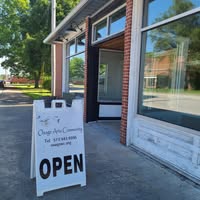
- In-town Art Center – On Belle’s main street, the Art Center includes a gallery and studios with living spaces. You’re closer to small-town life, still quiet, but you can walk to basic amenities.
The farm leans more toward solitude and landscape immersion; the town spaces lean more toward a small amount of casual contact with locals and everyday services.
Studios, housing, and how each option feels
Osage Arts Community operates several different studio-living setups. You usually don’t get to “choose” like a hotel, but you can express preferences based on your needs. Here’s what each type offers so you know what to ask about.
Studio 89: shared building near the river
Location: on the farm, near the Gasconade River.
What it is: a larger building that houses three artists at a time, with a shared kitchen and shared facilities.
Good fit if you:
- like being near other artists but still want your own work zone
- don’t mind sharing a kitchen and common spaces
- want easy access to nature and the river for breaks or research
This setup creates a small, informal cohort—good for low-key peer support, studio visits, and spontaneous conversation over meals.
The Residence and Garage Studio: semi-private homes
The Residence: a two-person home on the farm, with a shared kitchen space that supports neighboring studios such as the Garage Studio. It’s spacious, with good natural light for visual artists.
The Garage Studio: typically a one-person home with a private bath and a sizable studio next door or attached.
Good fit if you:
- need a bit more privacy than a multi-artist house
- are working with messier materials or larger works
- want a quiet base with occasional interaction in nearby shared spaces
These spaces strike a balance between being on your own and still being part of the residency’s small community on the farm.
The Art Center: gallery-adjacent studios in town
Location: main street in Belle, Missouri.
What it is: a non-profit art center that combines a gallery, studios, living quarters, and a common area/classroom. There are typically one or two studios with private baths, and a shared kitchen.
Good fit if you:
- want to be in a building that locals pass through for shows or events
- prefer to walk to a small grocery, post office, or diner instead of driving
- enjoy the idea of your studio attached to a gallery space
This is the closest thing Belle has to a mini arts hub, with built-in visibility and small-town contact.
Studio 100, Studio 105, and ceramics options
Studio 100: a building that houses two artists and includes OAC’s ceramics studio. Ideal for ceramicists or mixed-media artists who need clay facilities alongside other work.
Studio 105: generally a one-person house with an extra bedroom that can sometimes support collaborators or family members, depending on residency policies.
Good fit if you:
- have a ceramics-focused practice and need dedicated kilns, work tables, and clay space
- are working with a collaborator or partner and need an extra room
- want a self-contained, home-like setup rather than a shared house
When you apply, clearly outline any special studio needs—kilns, ventilation, video editing space, quiet for audio work—so the residency can match you with one of these spaces if available.
What daily life in Belle actually feels like
Understanding day-to-day life here helps you decide if OAC supports your practice or clashes with your habits. Belle is rural, slow, and car-dependent. That can be either perfect or frustrating, depending on what you need.
Cost of living and basics
Compared to major cities, Belle’s cost of living is low. For you, that translates into:
- basic groceries at modest prices, though with limited variety
- fewer restaurants and cafés, and mostly casual options
- lower general cost for everyday essentials
You’ll likely spend more money on getting there and shipping materials than on daily life once you’re settled. Plan for:
- transportation to Belle (gas or car rental, or a mix of flights and driving)
- food and household supplies, if not covered by the residency
- art materials (assume limited local art supplies; consider bringing what you can or ordering online)
- shipping finished work back out
Transportation and how to actually get there
Belle is car-centric. Public transit options are scarce, so expect to plan around a vehicle.
If you’re driving from within the region, you can go straight to Belle and then use your car for errands, hikes, and occasional trips to nearby towns or cities. If you’re flying in, you’ll likely route through a regional airport and then rent a car or coordinate a pickup for the last leg.
Before you finalize travel, ask OAC:
- the best airports or train/bus hubs to use
- whether any rideshares or pick-ups are sometimes arranged
- where and how you can receive shipped materials and equipment
Internet, quiet, and social life
In a rural residency, three questions matter a lot: how fast is the internet, how quiet is it really, and how much community is there.
- Internet: Expect workable but not always ultra-fast internet. If you need heavy uploads (large video files, constant cloud syncing), ask directly about speed and reliability at the specific building you might be placed in.
- Quiet: Belle is generally very quiet, especially on the farm. Good for writing, sound editing with headphones, drawing, or deeply focused studio work.
- Social life: Your primary social circle is likely other residents. In town, you might chat with locals at the gallery or shops, but there isn’t a big bar or club scene.
If you thrive in solitude, this supports deep immersion. If you need regular outside stimulation, plan rituals: scheduled calls, online lectures, or occasional trips to nearby cities.
Art community, events, and how to connect
Belle doesn’t have a big art calendar, but OAC itself functions as the local art infrastructure. Your connection to any community will mostly run through the residency.
The Art Center and local engagement
The Art Center in Belle hosts:
- a gallery space with exhibitions or events
- studios and living quarters for residents
- a common area/classroom that can support workshops or small gatherings
Depending on the programming at the time you’re there, you might be able to:
- take part in open studio moments, formal or informal
- show work in a group or solo presentation
- offer a small workshop or talk if that fits your practice and the residency’s plans
If public engagement matters to you—teaching, community projects, or sharing work in progress—raise that in your application or early conversations. Not every stay will include a formal showcase, but many residencies are open to artists proposing events.
Connecting beyond Belle
Belle itself is quiet, but you’re within reach of larger Missouri cities and arts ecosystems. For a longer stay, you might want contact with:
- arts nonprofits and universities in regional centers
- curators or artist-run spaces in cities like St. Louis, Columbia, or Jefferson City
- online communities, critique groups, or reading series
It can help to treat Belle as your production base and keep one foot in broader networks via email, social media, or planned studio visits for curators and collaborators who can drive in.
Planning your residency: fit, timing, and logistics
Before you apply or accept an offer, it helps to match your project to what Belle and OAC actually provide. The goal is simple: no surprises once you’re unpacked in the studio.
Check your project against the setting
OAC tends to work best if:
- your project benefits from long, uninterrupted time and minimal events or obligations
- you can work in a self-directed way without daily structure imposed from outside
- you’re comfortable with a rural environment and small-town scale
- you are okay with driving or planning carefully around limited transportation
If your practice thrives on constant in-person feedback, night openings, or dense art scenes, you may want to pair a stay at OAC with time in a bigger city before or after for networking and sharing the work.
When to be there
Central Missouri has four distinct seasons, and each shapes your experience:
- Spring: Mild weather, greening landscape, good for outdoor walks, photography, and land-based projects.
- Summer: Hot and humid. Great if you like long daylight hours, but heat-sensitive artists may prefer early mornings and evenings in the studio.
- Fall: Cooler air, changing leaves, clearer light—often ideal for focused work and comfort.
- Winter: Quiet and introspective, with potential weather-related travel challenges. Strong for writing and indoor studio practices.
If your work is tied to landscape, farming cycles, or the river, choose a season that matches that research. If you just want maximum productive comfort, spring and fall are usually the safest bets.
Application strategy and communication
Residencies that host longer stays and a mix of housing types tend to fill early. A few simple habits make the process smoother:
- Start early: Reach out or apply well ahead of when you’d like to be there, especially if you want a specific season or need ceramics facilities or private housing.
- Be specific: In your application, articulate your project, what you need in a studio, and how a rural retreat supports that work.
- Ask clear questions: Before committing, clarify topics like transportation, which building you’re likely to use, internet access, and any expectations for public programming.
- Flag access needs: If you have mobility or health needs, ask about stairs, walking distances between studio and housing, and proximity to medical services.
International artists and visas
For artists coming from outside the United States, Belle is still accessible, but there are extra steps around travel and visas.
Visa basics
Residencies like OAC are usually structured as time and space to work, not formal employment. Even so, visa rules depend on:
- your citizenship and the agreements your country has with the U.S.
- how long you’ll stay
- whether you’ll receive any stipends, fees, or honoraria
- whether you’ll be teaching or doing substantial public programming
Before you apply or accept an offer, check with the U.S. embassy or consulate for your country. Ask OAC if they can provide an invitation letter and any documentation explaining the residency’s structure, which often helps with visa applications.
Travel planning for non-U.S. artists
If you’re flying in from abroad, try to:
- build in a buffer day or two on either side of your travel dates in case of delays
- ship heavy or unusual materials in advance and confirm they can receive and store them safely
- plan how you’ll get from your arrival city to Belle—usually a combination of flight plus rental car or coordinated pickup
A quick note on the “other Belle”: Moulin/Belle in France
When you search for “Belle” and residencies, you’ll also see references to Moulin/Belle, an art and sustainability residency in rural France. It’s not in a town called Belle; the residency name simply includes the word. That program leans toward ecology, sustainability, and site-specific work in the French countryside.
If you’re set on being in Belle, Missouri, focus on Osage Arts Community. If what attracted you was the word “Belle” plus a rural, eco-engaged residency, it might be worth looking at Moulin/Belle separately as a complementary or alternative option.
How to decide if Belle is right for you
To wrap this into something actionable, ask yourself:
- Does my project need a quiet, extended retreat more than it needs constant events and city access?
- Am I comfortable with a car-based, rural setup and a relatively small social circle?
- Do the studio types and time frames at Osage Arts Community line up with what I need?
- Could I use Belle as a production base and connect outward to curators, collaborators, and audiences before or after?
If your answer to most of these is yes, Belle, Missouri—and Osage Arts Community specifically—can give you something rare: long, focused time on your work, surrounded by fields and river, with just enough structure to hold you and just enough quiet to let the work get loud.
Explore United States
More city guides
Opportunity Intelligence
Ready to find your next residency?
Get a personalized shortlist — scored against your practice, discipline, and what you need right now.
See how Intelligence works →