
City Guide
Auckland, New Zealand
How to plug into Auckland’s residencies, scene, and everyday logistics as a working artist
Why Auckland is a strong residency base
Auckland is where a lot of New Zealand’s arts infrastructure, funding bodies, and audiences cluster, but it still gives you fast access to beaches, regional parks, and islands. You get a city’s density of people and ideas with an almost rural amount of green space and coastline.
Artists tend to choose Auckland residencies for a mix of reasons:
- Professional exposure – galleries, curators, universities, and arts organizations are concentrated here.
- Cultural richness – strong Māori, Pacific, Asian, and migrant communities shape the art scene and the conversations around it.
- Landscape access – volcanic cones, harbours, regional parks, and islands within easy reach of the city.
- Cross-disciplinary potential – contemporary visual art, performance, moving image, ceramics, printmaking, and community-based work all sit close together.
If you want to work site-responsively, experiment with new materials, or test ideas in a context that’s both urban and coastal, Auckland residencies can be a good fit.
Key Auckland residencies and what they’re really like
Residencies here range from structured, career-focused programs to low-key studio access in a specific medium. Reading the fine print matters: some include housing and stipends, some only offer space and community.
Auckland Council – Artist in Residence (regional parks)
What it is: An eight-week residency based in one of Auckland’s regional parks, run by Auckland Council. You live and work inside a park environment and develop a project that responds to that specific place.
What it offers:
- Eight weeks living and making work in an Auckland regional park.
- A focus on work that highlights overlooked or undervalued aspects of the park.
- Public outcomes: this can be exhibitions, public programs, or other forms of sharing your process.
The council’s aim is to support artists and raise awareness of regional parks as sites of interest and inspiration, so the residency leans toward site-responsive or place-based practice.
Who it suits:
- Photographers, printmakers, painters, sculptors, filmmakers, installation artists.
- Composers, writers, poets, choreographers, and other creatives who can work from and with a specific environment.
- Artists interested in ecology, local histories, public art, or socially engaged practice.
Good to know:
- Each year’s park placement and details can change – read the current call carefully.
- Transport matters: some parks are remote enough that you will be happier with a car or clear transport plan.
- The project should connect meaningfully to the landscape and community, not just use the park as background.
For details and future calls, see Auckland Council’s information page: Auckland Council Artist in Residence.
Auckland Studio Potters – Ceramics-focused residency
What it is: A ceramics residency embedded in a long-running community of potters and clay artists. It offers two residency positions, with options from four up to twelve weeks.
What it offers:
- Studio time to develop a new project or body of work in clay.
- A self-enclosed pod for each artist: shelving, workbench, and an electric wheel.
- Access to a busy ceramics community and experimental atmosphere.
- Potential teaching, workshops, or public events depending on the residency structure.
Who it suits:
- Professional ceramic artists and craftspeople.
- Artists in other disciplines who want to push into clay or hybrid ceramic processes.
- Anyone who wants feedback and peer contact, not just a private studio bubble.
Important practical detail: housing is not included. Auckland Studio Potters notes that they have a small database of members with potential AirBnB options, but you are expected to sort your own accommodation and budget for it.
Tips if you are considering this residency:
- Map travel time between potential accommodation and the studio; Auckland traffic can stretch a short trip into a long commute.
- Factor in material and firing costs alongside your rent.
- Use the community: this is a strong place to test new techniques and troubleshoot technical issues.
Residency details and application info sit under their residency page: Auckland Studio Potters Artist in Residence.
McCahon House – Parehuia, French Bay, Titirangi
What it is: A highly regarded residency at Parehuia, a purpose-built live/work space in French Bay, Titirangi, West Auckland. It supports artists at pivotal points in their careers, with a focus on mid-career practice and research-driven work.
What it offers:
- Accommodation in a dedicated apartment with an attached studio.
- Curatorial and institutional support, including connection to McCahon House and wider networks.
- Time to focus on intensive studio work, often with expectations of public engagement or presentation.
- Residencies developed independently and through partnerships with organizations in Aotearoa and overseas.
Who it suits:
- Mid-career artists based in Aotearoa New Zealand.
- Artists whose work benefits from concentrated research and development time.
- Those looking for a residency that signals seriousness to funders, curators, and institutions.
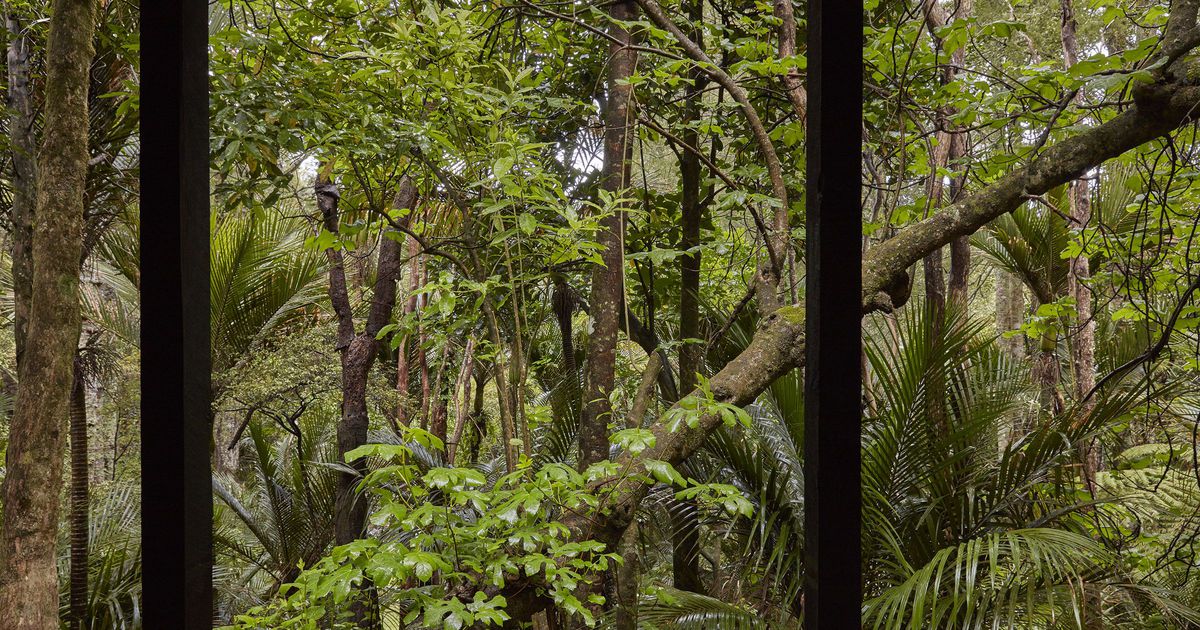
Context and location: French Bay sits in a bushy, coastal part of West Auckland with a strong creative identity. You are not in central city nightlife, but you have calm, space, and a clear connection to the history of McCahon and New Zealand modern and contemporary art.
Read about the residency and current programs at: McCahon House Artist Residency.
Föenander Galleries – invitation-only residency
What it is: An artist residency run by Föenander Galleries in rural Auckland. It is not an open-call program; artists are hosted by invitation.
What it offers:
- A large working studio space.
- Separate living accommodation in the countryside.
- A quieter environment with gallery connection built in.
Who it suits:
- Artists already in dialogue with the gallery or its network.
- Those wanting a retreat-like environment with strong studio space rather than a city-based residency.
If this sounds interesting, the realistic pathway is to build a relationship with Föenander Galleries first, through exhibitions, visits, or shared projects. Their residency info is here: Föenander Artist Residency.
Waiheke Community Art Gallery – Waiheke Island residency
What it is: A 12-week residency on Waiheke Island, part of the Auckland region and reachable by ferry from downtown. The program is hosted by Waiheke Community Art Gallery.
What it offers:
- Three months living and making art on a Hauraki Gulf island.
- Access to a strong local art scene with many practicing artists and galleries.
- Accommodation and a car, plus use of a large barn space (Owhanake Barn) as a studio.
- Exhibition opportunity at the end of the residency.
Who it suits:
- Artists wanting a coastal, island environment but still within reach of Auckland City.
- Those developing a new body of work that responds to island life, local ecology, or community.
- Artists who want slower pace and focus, but value having a defined exhibition outcome.
Daily life reality: you will rely on a car on the island, even with its relatively compact size. The ferry to Auckland is about 35 minutes each way from the city, and the cost adds up if you commute regularly, so most residents treat it as a temporary base rather than a commuter situation.
More information is here: Waiheke Community Art Gallery Artist in Residence.
Nearby but not Auckland: Wharepuke, Kerikeri & NZ Pacific Studio
These are not in Auckland, but they often sit on the same mental map for visiting artists planning a longer New Zealand stay.
- Wharepuke Artist Residencies, Kerikeri (Bay of Islands) – self-directed residencies in a subtropical garden setting with a non-toxic printmaking studio, gallery, sculpture trail, and on-site cottages. Suitable for writers, musicians, photographers, filmmakers, printmakers, sound artists, sculptors, and others. Info: Wharepuke Artist Residencies.
- New Zealand Pacific Studio, Kaiparoro – a residency centre with shared and individual spaces and community connections, typically hosting artists for a few weeks. There is a weekly fee instead of a stipend. Info: NZ Pacific Studio profile.
Some artists anchor themselves in Auckland for networking and public outcomes, then move to Northland or rural studios for concentrated making time.
Understanding the Auckland art scene while in residency
Residency time goes fast. Knowing where to go and who to talk to makes a big difference.
Key institutions to visit
- Auckland Art Gallery Toi o Tāmaki – the main public gallery, a good read on how institutions are framing contemporary practice.
- Objectspace – dedicated to craft, design, and object-based work; important if you work with ceramics, textiles, furniture, or installation.
- Te Uru Waitākere Contemporary Gallery – in Titirangi; a smart stop if you are at McCahon House or in West Auckland.
- Māngere Arts Centre – Ngā Tohu o Uenuku – central for Pacific and community-focused arts.
- Pah Homestead / TSB Bank Wallace Arts Centre – another hub for exhibitions in South Auckland.
For residency projects, these spaces can be useful reference points, places to meet people at openings, or potential partners for future work.
Neighbourhoods that matter for artists
Auckland is spread out, so where you sleep in relation to where you work matters as much as which residency you pick.
- Ponsonby / Grey Lynn / Karangahape Road (K Road) / Kingsland – gallery clusters, openings, and a lot of artists passing through. Rent is high, but these are good social and networking hubs.
- Mount Eden / Eden Terrace / Grafton / Newton – more practical for mixed studio and residential use, with reasonable access to central institutions.
- Titirangi / West Auckland – greener, more spacious, often more affordable; strong creative communities and a good fit if you are at McCahon House or want bush and coastline.
- Waiheke Island – for island residencies and slow practice; commuting to the city is possible but costly in both time and money.
For self-directed projects, artists often combine a suburban living situation with a shared warehouse studio or a community workshop.
Where to plug into community
- Ceramics: Auckland Studio Potters is the obvious hub, but also look out for other clay collectives and workshops.
- Printmaking: studios like Wharepuke (a bit further afield) have strong reputations; in Auckland itself, keep an eye out for independent print shops and co-ops.
- Artist-run spaces: small, independent galleries and project spaces cluster around the city fringe and K Road area. Openings are a straightforward way to meet peers.
- Universities: AUT and the University of Auckland host events, talks, and exhibitions. These can be useful for research-led practice.
Living, budgeting, and logistics as a resident artist
Residency offers often focus on the poetic parts: studio, landscape, community. Budgeting and logistics are less glamorous but will make or break your time.
Cost of living
Auckland is one of the most expensive cities in New Zealand, especially for rent. Key pressures:
- Accommodation – inner-city and island areas are the priciest; many artists share flats or look to outer suburbs.
- Transport – if your studio and housing are far apart, bus fares or petrol costs add up quickly.
- Materials and production – importing specialized materials can be expensive; where possible, plan to source locally.
- Shipping art and equipment – if you are arriving from overseas or sending work out afterwards, factor this in from the start.
When comparing residencies, keep an eye on what is actually covered:
- Is accommodation provided, or do you need to rent?
- Is there a stipend or fee, or are you paying a residency fee?
- Are materials, travel, or per diems supported?
Getting around: transport basics
Auckland is more car-centric than many art cities, but you can still manage on public transport depending on your base.
- AT Metro buses and trains – good for main corridors and inner-city travel. An AT HOP card simplifies payments.
- Ferries – critical if you are on Waiheke Island; also useful for other Hauraki Gulf trips.
- Car / car share / rental – very useful for regional parks, rural studios, and West Auckland.
- Rideshare and taxis – fill the gaps, especially at night or across less connected parts of the city.
Specific residency considerations:
- Auckland Council regional park residency: check how far the park is from shops, healthcare, and any community partners; build a clear transport plan.
- Waiheke residency: you will likely rely on a car on the island; treat the ferry as an occasional city link, not daily commuting unless your budget allows it.
- West Auckland / Titirangi: buses run, but travel times can be slower than the map suggests. If your schedule involves frequent meetings in town, factor that in.
Visa and admin for international artists
If you are not a New Zealand citizen or resident, you will need to match your visa type to your residency setup.
- Residencies are not automatically classed as work or study; it depends on duration, whether you are paid, and what you will do.
- Short, unpaid or lightly funded residencies may fit under visitor or similar visas, but you need to confirm that directly with New Zealand Immigration.
- If you are receiving a stipend, selling work, or undertaking paid teaching, you may need a work-type visa.
Before accepting a place:
- Ask the host how they typically describe the residency for visa purposes (work, research, professional development).
- Confirm whether any payments count as income and if there are tax implications.
- Allow time for visa processing in your planning.
Timing your stay
Auckland’s climate is mild and maritime, with rain spread across the year. Practical working considerations:
- Summer and early autumn – good for outdoor, site-responsive, or performance work; longer daylight hours.
- Spring – also strong for outdoor work and community engagement.
- Winter – better for studio-intensive projects; you will get more rain and shorter days, which some artists actually like for focus.
Residencies each have their own application cycles. For planning, treat them like separate projects: track your preferred programs, note when their calls usually open, and set reminders a year ahead if you are applying from overseas.
Matching yourself to the right Auckland residency
To pick the right fit, start from your practice, not the residency’s prestige.
Questions to ask yourself
- Do you need landscape and solitude (regional parks, rural studios, Waiheke) or dense city contact (central studios, community hubs)?
- Is your focus on technical development (ceramics studios, printmaking facilities) or conceptual research and career momentum (McCahon House, institutional partners)?
- Are you comfortable sorting your own housing and transport, or do you need a residency that wraps those pieces in?
- How much public engagement do you want – open studios, workshops, exhibitions – versus private experimentation?
Quick mental map
- Ceramicists and clay experimenters: Auckland Studio Potters, with self-arranged housing.
- Mid-career visual artists based in Aotearoa: McCahon House / Parehuia.
- Landscape, ecology, site-specific or public engagement projects: Auckland Council Artist in Residence in regional parks.
- Quiet, rural isolation with gallery support: Föenander residency (by invitation) or similar rural studios.
- Island context with exhibition outcome: Waiheke Community Art Gallery residency.
- Extended NZ circuit beyond Auckland: Wharepuke or NZ Pacific Studio combined with time in Auckland galleries and institutions.
If you treat Auckland not just as a destination but as a set of overlapping scenes – city, parks, west coast, islands – you can shape a residency plan that works with your practice instead of against it. Start with what kind of work you actually want to make, then pick the residency that genuinely gives you the space, tools, and people to support that.
Explore New Zealand
More city guides
Opportunity Intelligence
Ready to find your next residency?
Get a personalized shortlist — scored against your practice, discipline, and what you need right now.
See how Intelligence works →