
City Guide
Alentejo region, Portugal
How to pick the right Alentejo residency for your practice, and what each town actually offers you day to day
Why Alentejo works so well for residencies
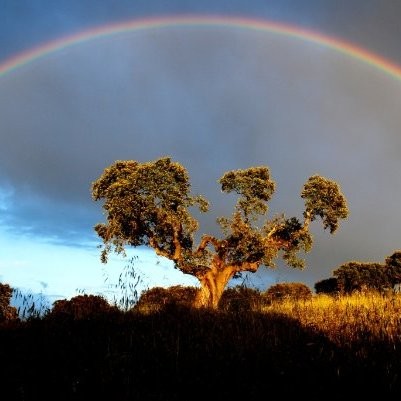
Alentejo is huge, quiet, and relatively empty compared to Lisbon or Porto. That combination gives you space to think, work, and experiment without the daily rush of a big city. You get wide skies, low light pollution, and long stretches of countryside instead of constant distraction.
The region is especially compatible with:
- Research-based and slow practices that need time more than spectacle
- Sculpture, installation, land art, performance, writing, sound art, and interdisciplinary work
- Projects connected to agriculture, ecology, migration, rural life, and local crafts
- Artists who like a mix of solitude, studio time, and contact with local communities
Instead of a big gallery ecosystem, Alentejo leans on residency programs, cultural associations, festivals, and community projects. If your work benefits from process, site-specific work, and public sharing rather than a commercial art market, you’re in the right place.
Key hubs in Alentejo’s residency scene
There isn’t one single “art city” in Alentejo. Activity spreads across several small towns and rural areas, each with its own rhythm. Here’s how they function from an artist residency point of view.
Montemor-o-Novo & Fazendas-do-Cortiço
Montemor-o-Novo is one of the strongest residency hubs in Alentejo, with a long track record of hosting artists and projects. Just outside town, in Fazendas-do-Cortiço, you’ll find Cortiço Artist Residency.
Cortiço Artist Residency (info on Rivet) is set in a renovated farmhouse surrounded by trees and countryside. Expect:
- A rural, quiet base with nature literally at your door
- 4 bedrooms shared between usually 1–4 artists at a time
- A large communal kitchen, a cathedral-like living room, mezzanine studio, and terrace
- Easy access to Montemor-o-Novo’s creative community and services
- Two ways to enter: by invitation (no fee) or by spontaneous application (fee)
- Connection to international networks through Res Artis
Who this area suits:
- Visual artists, writers, performers, and interdisciplinary practices that appreciate quiet but don’t want total isolation
- Artists who like small cohorts and shared living/studio spaces
- Anyone who wants rural Alentejo but needs reasonably fast access to Lisbon
Daily life reality: You’ll probably spend most of your time between the farmhouse, the garden, and quick trips into Montemor-o-Novo for groceries, cafés, or local events. A car is helpful, but some residencies can arrange pickups or help you navigate local transport.
Arraiolos
Arraiolos is quieter and smaller than Montemor-o-Novo but punches above its weight thanks to the residency infrastructure there. It’s especially known for its historic carpets and craft traditions, which can easily feed into material-based and research-focused practices.
Córtex Frontal (Res Artis listing, and also visible via AIR_J) is a multidisciplinary residency hosted in a labyrinthine 800 m² house.
What you can expect at Córtex Frontal:
- Large house with 9 bedrooms, multiple bathrooms, shared kitchen, laundry, living rooms
- Dedicated studios, a gallery, patio, and garden
- Minimum stay of around 4 weeks, so projects can actually evolve
- Residency fee (often quoted around 250€ per week) that includes housing, studio, utilities, Wi‑Fi, laundry, bikes, and access to workshops
- A program spanning visual arts, performance, literature, and music
- Strong emphasis on connecting with local community and territory
Who Arraiolos suits:
- Artists wanting a longer stay to really land a project
- Writers and musicians who benefit from an extended quiet period
- Artists interested in community-engaged work, workshops, or local collaborations
Day-to-day feel: Think small town, repeat faces, slow pace. The residency house itself is an ecosystem with enough rooms and studios to keep you focused but not cut off. If your practice thrives in a house full of working artists, Córtex Frontal is a strong match.
Reguengos de Monsaraz / São Marcos do Campo
This area is defined by landscape: lakes, open countryside, and a sense of “edge of the map.” São Marcos do Campo hosts CAPITÃO Artist Residency, which leans more toward tightly curated cohorts than open-ended stays.
CAPITÃO Artist Residency (Sculpture Network overview) is aimed at emerging artists under 35 and usually runs as a two-week intensive.
Program features:
- Four artists selected per edition
- Private room and bathroom in a shared house
- Studio space, food, and housing covered
- Structured program: round tables, individual meetings, mentorship
- Public-facing outcomes through open studios or exhibitions
Who this suits:
- Emerging artists who enjoy feedback and structured time
- Practices that can produce or clarify a strong research or project thread in two weeks
- Artists who value dialogue with curators, academics, and peers
Reality check: Travel and production costs are usually on you, so you’ll want to budget beyond the covered housing and food. Because the program is short and dense, arrive with a clear focus so you can use the feedback and studio time well.
Messejana & Buinho’s rural hub
Messejana is a small Alentejo town that has become a reference point thanks to Buinho, a residency built around a fablab and digital fabrication workshop.
Buinho Residency (official site, and also listed on Artist Communities Alliance) is one of the first rural fablabs in Portugal and is very production-oriented.
What Buinho offers:
- Residency length from about two weeks up to two months
- Multiple houses and studios, accommodating several residents at a time
- A fablab with 3D printing, laser cutting, CNC, and digital fabrication tools
- Access to a metalworking workshop (helpful for sculpture and recycling-based work)
- Support from a team experienced in running residencies
- Fee-based model (no public or private funding), with efforts to keep costs relatively low
Who this suits:
- Artists and designers who want to experiment with fabrication techniques
- Media artists, sculptors, and installation artists needing tools and technical support
- Researchers combining digital and physical making
Daily life reality: This is a making environment rather than a contemplative retreat only. Expect to share space with people prototyping, testing, and tinkering. You’ll be in a rural town, but the tech infrastructure is unusually rich for the setting.
Baixo Alentejo & Beja area
Baixo Alentejo includes Beja and surrounding municipalities. It’s less saturated with residencies but has a growing scene of curated projects and public programs.
Futurama – Artist Residencies operates as a curated platform in Baixo Alentejo, where invited curators select artists across performing arts, sound, music, visual arts, and architecture.
Typical features:
- Curator-led invitations rather than open application for every edition
- Focus on research, context, and process
- Public presentation days where artists share work-in-progress with local audiences
Who this suits:
- Artists who enjoy structured curatorial dialogue
- Practices that benefit from presenting research rather than finished work
- Artists keen on connecting with local communities in smaller towns
How to work with it: Keep an eye on the curators, themes, and partners they work with. It’s less a residency you casually apply to and more a platform you build a relationship with.
Évora and other urban anchors
Évora is the historic city of Alentejo: museums, Roman ruins, university life, and a stronger year-round cultural program than smaller towns. While it’s not built around one flagship residency in the way Arraiolos or Montemor-o-Novo are, it functions as a crucial anchor.
How Évora supports your residency:
- Exhibitions and museums for research and reference
- University-linked events, lectures, and collaborations
- Services: print shops, materials, libraries, and more regular transport
Many rural residencies will recommend at least a day or two in Évora if you need supplies or want a change of pace.
Choosing the right Alentejo residency for your practice
Each residency in Alentejo has a distinct personality. Matching your working style to the right place will save you frustration and help you get the most from your time.
Quiet retreat vs. intensive cohort
- For quiet retreat and open structure: Cortiço (rural farmhouse with small cohorts), Córtex Frontal (longer stays in a big house with studios), and more secluded rural programs like Campo Santo Eloy are usually a better fit.
- For short, intensive, highly structured time: CAPITÃO is geared towards emerging artists who want mentorship, round tables, and a clearly framed two-week residency.
Digital making vs. analog and site-specific
- If you need tools and fabrication: Buinho is the most obvious choice, thanks to the fablab and metalworking workshop. Be ready for a fee-based structure and plan your production timeline so you can really use the equipment.
- If you want landscape, walking, and analog materials: Rural programs like Cortiço, Córtex Frontal, CAPITÃO, and Campo Santo Eloy naturally support site-specific work using local materials, soundscapes, or land-based research.
Community engagement vs. solitude
- Community-facing residencies: Córtex Frontal, Futurama, and CAPITÃO have clear expectations of exchange with local communities through workshops, open studios, or public presentations.
- More solitary or self-directed: Cortiço and some Buinho stays can be relatively self-structured, depending on your cohort and how social you want to be.
Practical logistics: getting there, visas, and seasons
Getting to Alentejo
Most international artists arrive via Lisbon airport. From there:
- Many Alentejo towns are 1–1.5 hours away by motorway
- Trains and buses exist but can be infrequent, especially to smaller towns
- A rental car often makes your life much easier, especially for rural residencies
Ask each residency:
- Which bus or train station is closest
- Whether they offer pickup or can recommend a taxi driver
- If they can receive shipped materials or tools before you arrive
If your work involves large sculptures or heavy equipment, confirm studio door sizes, outdoor working areas, and loading access before committing.
Visa basics
Visa requirements depend on your passport and length of stay:
- EU/EEA/Swiss artists typically don’t need a visa for short stays
- Non-EU artists may need a Schengen short-stay visa for shorter residencies
- Longer projects may require a residence permit or specific visa category
Residencies can usually provide invitation letters, proof of accommodation, and program descriptions, but they rarely manage the visa process for you. Start early, and ask exactly what documentation they can sign or issue.
When to schedule your residency
Alentejo’s climate is a big factor in your working conditions:
- Spring (roughly March–May): Mild, green, good for fieldwork and outdoor installations.
- Autumn (roughly September–November): Warm and productive, often a sweet spot for residencies.
- Summer: Heat can be intense, especially inland. If your work is physically demanding or outdoors, you’ll need to plan early/late working hours.
- Winter: Great for writing and studio work if you’re fine with shorter days and sometimes cooler interiors in rural houses.
If you’re applying for funding or visas on top of the residency itself, count backwards: many open calls appear 6–12 months ahead of the start date.
Local networks, events, and how to plug in
How art communities function in Alentejo
Alentejo doesn’t run on big institutions alone. You’ll mostly interact with:
- Residency houses and their alumni networks
- Local cultural associations and municipal cultural departments
- University and museum activity in Évora and Beja
- Festivals, open studio days, and short intensive projects
Many residencies actively encourage or require some form of public sharing: talks, open studios, screenings, performances, or informal conversations with neighbors. These events are where a lot of your network-building happens.
What to look out for while you’re there
- Open studios and final presentations: Great moments to see other artists’ work and be seen by curators, local organizers, and fellow residents.
- Workshops and round tables: Córtex Frontal, Buinho, CAPITÃO, and Futurama often frame discussions that continue informally over meals.
- Museums and smaller galleries: In Évora and Beja, these can be useful for research and meeting local professionals.
Quick matching guide: which residency for which artist?
If you’re torn between multiple Alentejo residencies, use this as a quick filter:
- Pick Cortiço Artist Residency if you want a rural, small-scale, quiet environment near Montemor-o-Novo, with room to self-structure your time and live with a small group.
- Pick Córtex Frontal if you want a longer stay in a large, multidisciplinary house with strong ties to community, workshops, and local territory.
- Pick CAPITÃO if you’re under 35, enjoy critique and discussion, and want an intensive two-week program with food, housing, and studio sorted.
- Pick Buinho if your project needs a fablab, digital fabrication, or metalworking support, and you’re comfortable with a fee-based model.
- Pick Futurama if you value curator-led contexts, process-based work, and public research presentations in Baixo Alentejo.
- Explore Campo Santo Eloy and similar rural projects if you’re drawn to slow, site-responsive practice in more secluded contexts; just confirm current formats directly with the hosts.
If you plan ahead with climate, transport, and the structure you actually work best in, Alentejo can give you exactly what many residencies promise and rarely deliver: real time, real space, and a focused environment to move your work forward.
Explore Portugal
More city guides
Opportunity Intelligence
Ready to find your next residency?
Get a personalized shortlist — scored against your practice, discipline, and what you need right now.
See how Intelligence works →