
City Guide
Addis Ababa, Ethiopia
Studios, residencies, and what to actually expect from a creative stay in Ethiopia’s capital
Why Addis Ababa is worth your residency time
Addis Ababa is one of those cities that quietly reshapes your practice if you give it a few months. It’s politically central, culturally dense, and still relatively affordable compared to many global art hubs. You get a strong contemporary art scene sitting alongside Orthodox Christian visual traditions, manuscript illumination, weaving, metalwork, and a live music culture that seeps into everything.
For artists, that means two things: access to serious cultural depth, and a community that is used to thinking about heritage and experimentation in the same breath. Residencies here tend to emphasize exchange and conversation rather than pure retreat. You’re not just renting a studio; you’re stepping into a network of artists, craftspeople, and institutions that already talk to each other.
If you’re drawn to questions of tradition and modernity, diasporic identity, or material research with local crafts, Addis can be a very productive setting. If you just want isolation in nature, this city is not that.
Key residencies in Addis Ababa
Anaphora Ethiopic Artist Residency
What it is
Anaphora Ethiopic runs a structured, multidisciplinary residency in a new art center in Addis Ababa, near Bole Medhanealem. The program combines studio access, materials support, mentorship, and public programming. It’s designed less as a quiet retreat and more as a community-focused lab for experimentation.
What you get
- Private studio within the center (work table, chair, storage/supply cart, basic materials)
- Monthly art supply allowance tailored to your practice
- Access to labs and shops to test new materials and forms (useful if you’re exploring printmaking, experimental media, or process-heavy work)
- Monthly artist talks with visiting artists, curators, critics, and cultural workers (local and international)
- Open studios during the residency, including high-visibility moments like major events at the space
- Regular critical discussions around practice and career growth, with support from the Anaphora team’s network
Structure and cost
- Program length described as three months for at least one cycle
- Cohort size: around 10–12 artists per term
- Listed residency fee: about $550 USD for the program, which includes studio and structured programming
Always confirm current fees and inclusions directly with Anaphora, as program details can shift between cycles.
Expectations of residents
- Teaching requirement: around 5 hours per month in Anaphora’s Artist Apprenticeship Programs
- Open to artists from various disciplines; strong encouragement for emerging artists, women artists, and multidisciplinary practices
- Applications reviewed by an anonymous peer board, which tends to keep the selection grounded in practice rather than pure CV prestige
Who this suits
- Artists who enjoy structured environments with regular talks and group presence
- Practitioners comfortable with teaching as part of their practice
- Artists interested in printmaking, material experimentation, and expanding technical skills via labs and shops
- Anyone wanting to plug directly into Addis’ contemporary art conversations rather than being on the periphery
What to ask them before you apply
- Which materials are realistically available through the monthly allowance vs. what you should bring
- How teaching is organized (age group, language, class size, format) and whether they help with translation
- How often open studios and public events happen during your term
- Whether they provide invitation letters for visas and any local guidance for housing if it’s not included
More details and current calls are available on Anaphora’s site: anaphoraethiopic.com/artist-residency.
Zoma Museum / Zoma Contemporary Art Center
What it is
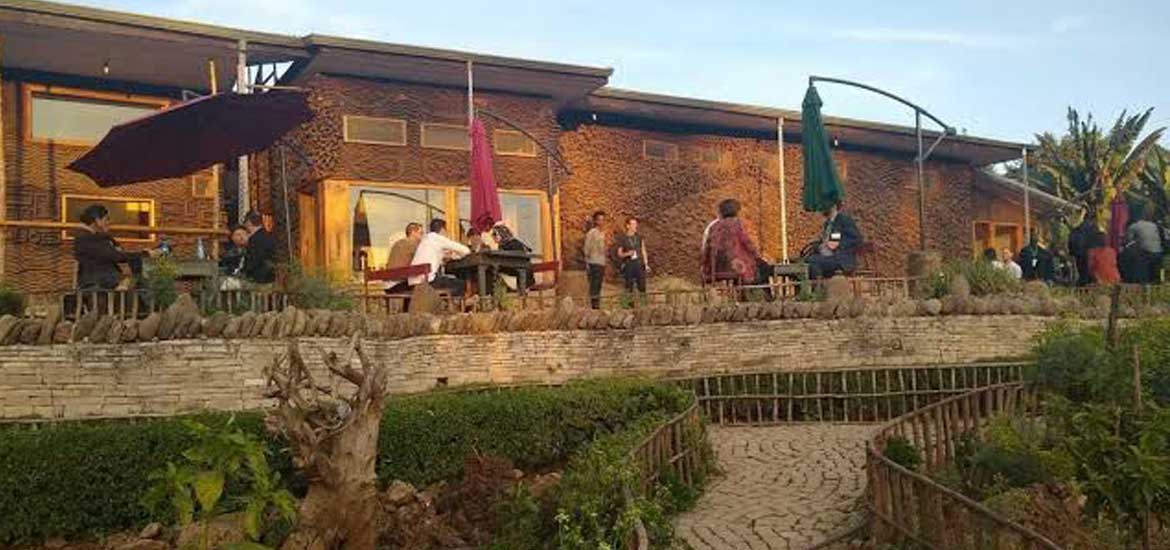
Zoma Museum, often still called Zoma Contemporary Art Center (ZCAC) in directories, is an environmentally conscious art and residency project. It’s known for earth architecture, site-specific work, and an ethos of weaving art, ecology, and community together.
What you typically get
- Residency structure that often includes studio space
- Accommodation connected to the site
- Support for community and public engagement
- Opportunities to collaborate with local artists and neighborhood communities
Duration
Residency lengths are often in the 1–3 month range. Exact dates and formats can change, so always confirm via Zoma’s own channels rather than relying only on directories.
Who this suits
- Artists working with site-specific, environmental, or socially engaged practices
- Those who want their residency to include dialogue with local communities rather than just studio time
- Artists looking to connect with a widely recognized Addis institution as a context for their work
What to clarify with Zoma
- Current residency format (fees vs funding, studio vs research, solo vs group)
- What level of community engagement is expected or supported
- Language support if you’re planning workshops or public projects
- Possibilities for exhibitions, talks, or documentation of your residency work
Basic directory info can be found via platforms like Elite Africa Project: eliteafricaproject.org. For up-to-date residency info, always go to Zoma’s own channels.
Finding additional Addis residencies
Beyond Anaphora and Zoma, Addis-based or Addis-linked residencies often appear in international residency directories and Africa-focused guides. Many are small, short-term, or tied to specific partnerships, so they move around.
Useful platforms to scan
- Art Residency Africa for Sahel and East Africa residency listings
- TransArtists "apply any time" section for year-round opportunities
- Artist Communities Alliance directory for global programs that occasionally feature Ethiopian or Addis-linked initiatives
- Rate My Artist Residency for peer reviews, which can include roving programs that have done editions in Addis
When you search, use combinations like “Addis Ababa residency,” “Ethiopia artist-in-residence,” and “Addis art center residency.” Many smaller programs rely on social media or partnerships instead of big marketing budgets, so Instagram and local art networks can surface opportunities that big directories miss.
Cost of living, neighborhoods, and daily logistics
What a residency month actually costs
Guides that track Addis residencies put fees roughly in the $500–$1,500 USD per month range, depending on what’s included. A mid-range fee-based program might include studio and some materials, but not necessarily housing or all living costs.
When you budget, separate these categories:
- Residency fee (program, studio, labs, some materials)
- Housing if not included
- Food (eating local can be very affordable if you avoid tourist pricing)
- Local transport (taxis, ride apps, or minibuses)
- Materials (especially if you rely on imported paints, inks, or digital equipment)
- Shipping and customs for artworks, equipment, and any large or heavy pieces
Local materials and craft processes (handmade paper, textiles, natural pigments, metalwork) can keep costs manageable and can feed your practice in new ways. Imported or niche materials may be expensive or simply unavailable, so plan around that if your work depends on specific brands or formats.
Neighborhoods artists tend to use
Addis is spread out, and traffic is real. When you pick housing, it helps to map it against your residency address and the places you’ll actually go.
Bole / Bole Medhanealem
- Close to Bole International Airport
- Full of cafés, restaurants, hotels, and shops
- Practical for foreign artists; many international visitors stay here
- Anaphora Ethiopic is situated near Bole Medhanealem, so staying nearby can cut commute time
Kazanchis
- Business district with embassies, offices, and international hotels
- Good for short stays, visiting curators, and artists who want easy institutional access
- Central enough to reach several cultural spaces without crossing the entire city
Piazza and central areas
- Older neighborhood with strong historic character
- Some artist housing and shared flats appear around here in listings
- Closer to parts of the historic city fabric and some cultural institutions
As you search, look for a balance between affordability and proximity to your residency, galleries, and regular hangouts. A slightly higher rent that cuts your daily travel by an hour each way is usually worth it during a short residency.
Studios, galleries, and how to plug in
Addis’ art infrastructure is compact but serious. A residency is one route in, but you’ll want to build your own map.
Institutions and spaces to research
- Zoma Museum for exhibitions, talks, and workshops
- Independent studios attached to mid-career artists (often visible via Instagram)
- Universities and art schools for student shows, lectures, and informal networks
- Contemporary galleries and artist-run spaces in areas like Bole and Kazanchis
How to get a feel before you arrive
- Search Instagram for tags around “Addis Ababa art” and location tags at Zoma, major galleries, and art schools
- Check local galleries’ websites for current or recent exhibitions
- Make a short list of artists and curators you’d like to meet and email them early
Transportation, visas, and practical planning
Getting around the city
Addis Ababa is served by Bole International Airport, and most residencies will either advise you on arrival or arrange a pickup if you ask.
In the city
- Blue-and-white minibuses are the cheapest option but require some local knowledge and patience
- Taxis and ride-hailing apps are more straightforward if you don’t know the city
- Walking is possible in some central areas, but distances can be longer than they look on a map
For residency purposes, assume you’ll be using taxis or ride apps frequently, especially if you’re carrying materials or works. Build that into your budget.
Transport tips for artists
- Ask the residency which routes artists commonly use and what a typical taxi ride costs
- If you make large or fragile work, ask about local transport options for moving pieces to galleries or open studios
- Check workshop and lab opening hours so you’re not paying for taxis to reach locked doors
Visa questions to sort early
Visa requirements can change, so treat any online information as a starting point, not final truth. Before you book flights, cross-check:
- The official Ethiopian e-visa or immigration website
- Your closest Ethiopian embassy or consulate
- Your host residency’s guidance, especially regarding invitation letters
Things to clarify with your residency
- Whether a standard tourist visa is appropriate for the program, or if they recommend a cultural/business category
- Whether they issue invitation letters and what they usually include
- Any previous experience they have helping artists from your country navigate entry requirements
- What documentation you might need if you travel with high-value equipment or large artworks
If you plan to teach publicly, exhibit, or sell work, ask directly if the residency has guidelines about visa categories. This is both a legal and practical issue that’s easier to handle before you land than at the airport.
Weather and timing your stay
Addis has a highland climate: generally temperate, with cooler evenings because of the altitude. There is a rainy season roughly covering the mid-year months, often with afternoon showers instead of constant rain.
What this means for your work
- Outdoor installation, heavy documentation days, or regular site visits are easier in drier months
- Rainy afternoons can be perfectly fine for studio work but may slow down transport
- If you’re sensitive to altitude, expect a short adjustment period; plan heavy physical work after you settle in
Residencies may run on fixed annual cycles, so your choice of timing can be limited. If you have flexibility, many artists prefer the clearer, dry months for site-based and documentation-heavy practices.
Local art community, events, and how to make it count
Open studios and public events
Programs like Anaphora Ethiopic explicitly build open studios, artist talks, and public programming into their calendar. These are not just nice extras; they’re some of the best points of contact with the Addis art community.
Why open studios matter here
- Local artists and curators often use them as low-pressure ways to meet new work
- You can see what other residents are trying, which often pushes your own experiments
- They give you a chance to test how your work reads in this specific cultural context
When you apply, pay attention to how often the residency schedules open studios, talks, or critiques. If these interactions are important to you, choose a program that foregrounds them rather than treating them as afterthoughts.
Community dynamics and cross-disciplinary work
Addis’ art community is small enough that people still actually know each other but large enough to be diverse. You’ll find:
- Visual artists working in painting, sculpture, installation, printmaking, and mixed media
- Musicians and sound artists blending traditional instruments with electronic or experimental forms
- Writers and poets working in Amharic, English, and other languages
- Craft practitioners (weavers, silversmiths, manuscript specialists) whose work can intersect with contemporary practices
Residencies often encourage collaboration with these communities, whether formally through workshops and commissions or informally through studio visits and shared projects. If community-based or cross-disciplinary practice is central to your work, Addis gives you a lot to work with.
Preparing your practice for Addis
A residency here tends to be most rewarding when you prepare a flexible framework rather than a fixed project. A few practical steps:
- Define a set of questions or themes you want to explore (heritage, material transformation, language, urban change) instead of a rigid outcome
- Identify which parts of your process must use specific materials or technologies and which parts can adapt to local materials
- Plan to build time for research, wandering, and studio visits into your schedule, not just production
- Think about how you’d like to share your work locally (talk, open studio, collaborative experiment) and ask residencies what’s realistic
Who Addis residencies make sense for
Artists likely to thrive here
Addis Ababa tends to be a strong match if you:
- Want cultural depth and historical context to actively shape your project
- Are curious about contemporary African art networks and want to build relationships beyond a single country
- Work in cross-disciplinary, research-based, or socially engaged ways
- Are excited about learning from local crafts, materials, and religious or communal visual traditions
- Are comfortable being part of public or educational components, especially in programs like Anaphora
When another city might be better
You might prefer a different residency context if you:
- Need a silent, isolated retreat with minimal social interaction
- Expect fully subsidized luxury accommodation and a high per-diem
- Depend heavily on specific imported materials or complex tech setups that are hard to source or maintain locally
- Want a very predictable, standardized “Western-style” residency model with little variation
How to actually start your search
Simple action plan
If you want to move this from idea to plan, a straightforward sequence is:
- Read through Anaphora’s and Zoma’s residency pages and note what aligns with your practice
- Check Addis-related listings on Art Residency Africa, TransArtists, and Artist Communities Alliance
- List your non-negotiables (budget ceiling, minimum duration, required facilities)
- Write to at least two current or past Addis-based residents via email or social media asking for short, concrete impressions
- Draft a project proposal framed around research questions and local engagement, not just production
Addis Ababa is not a backdrop; it will talk back to your work. If you’re open to that conversation, residencies here can shift your practice in ways that last well beyond the stay.
Explore Ethiopia
More city guides
Opportunity Intelligence
Ready to find your next residency?
Get a personalized shortlist — scored against your practice, discipline, and what you need right now.
See how Intelligence works →