City Guide
Cortijo el Moro, Spain
A practical artist-to-artist guide to working, living, and making at Cortijo el Moro in rural Almería, Spain.
Big picture: what Cortijo el Moro actually is
Cortijo el Moro is not a city residency. It’s a small, independent, artist-run space in rural Almería, near Vélez-Blanco, on the edge of the Sierra de María–Los Vélez Natural Park in Andalucía, Spain.
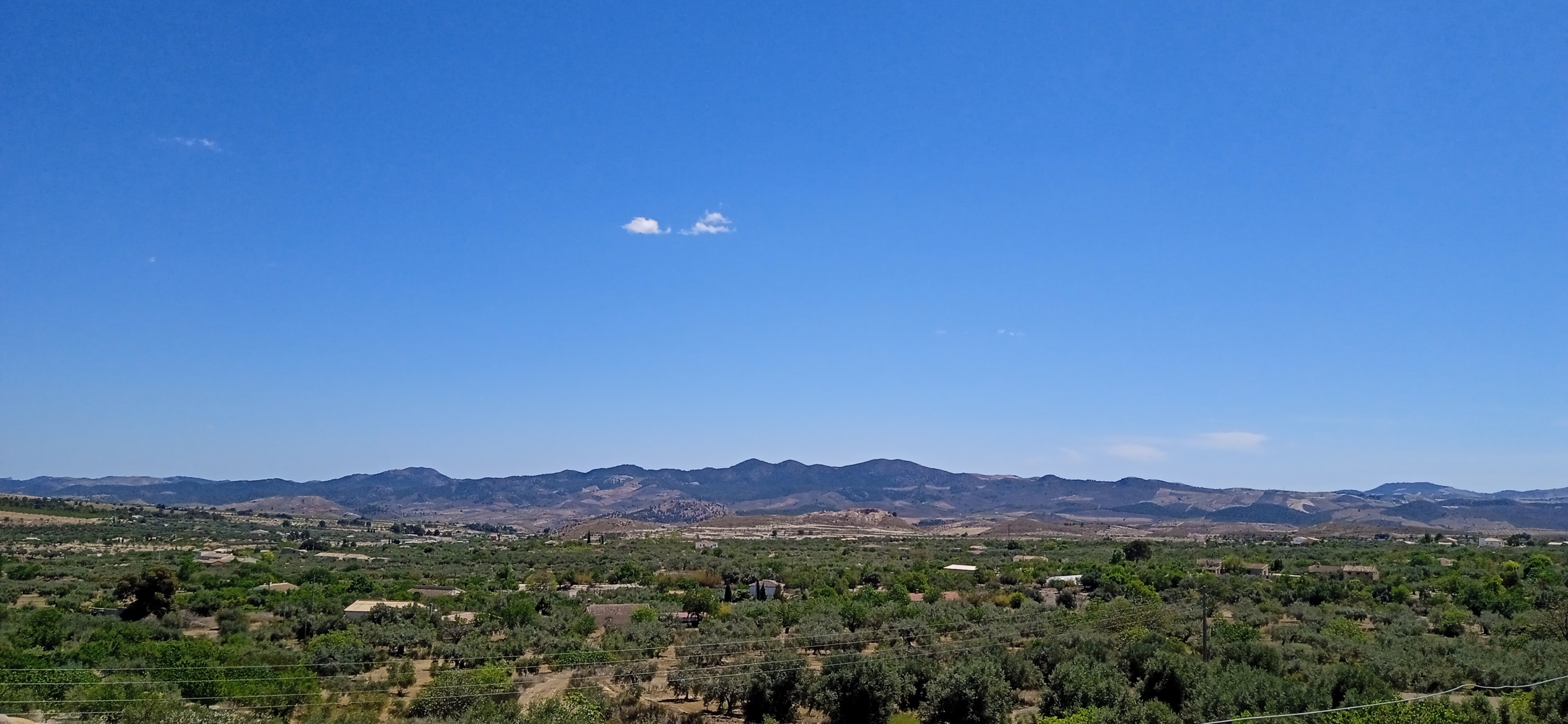
Think olive trees, mountains and quiet, not galleries on your doorstep. It’s designed for artists, writers and researchers who want concentrated time with their work, plus access to a communal studio and a ceramics workshop.
The residency is hosted in a restored four-bedroom cortijo (traditional farmhouse) with shared spaces and land around it. A newer self-contained one-bedroom unit expands the options a bit, but this is still a small program where you’ll actually know the other residents by name.
Why you’d choose here over a city residency
If you’re reading this as a “city guide,” the first decision is whether you actually want a rural residency at all. Cortijo el Moro is a good fit if you’re looking for:
- Isolation and focus – Minimal distractions, very little noise, and no built-in social calendar beyond whoever is on site with you.
- Landscape as studio – Mountain views, orchard trees, open land and a big sky that lend themselves to painting, writing, site-responsive work, and research.
- Hands-on making space – Communal studio plus a ceramics workshop, with some woodworking and metalworking tools.
- Independent structure – You set your own schedule; there’s encouragement to experiment, but no heavy programming.
- Intimate community – A handful of residents at any time instead of a large cohort.
If your main goal is daily gallery-hopping, networking events and late-night openings, you’ll probably be happier anchoring yourself in Almería, Granada, or another city and treating Cortijo el Moro as a future retreat instead.
The residency itself: spaces, rhythm, and expectations
Cortijo el Moro is structured around living and working in the same property, with different ways to carve out personal space.
Accommodation and studio setup
- Main house (4 bedrooms) – Each bedroom has some form of private working area, so you can retreat from the communal studio if you need quiet.
- Communal studio – Shared space in the main house where you can spread out, see what others are doing, and actually feel like you’re in a mini studio community.
- Ceramics workshop – Dedicated ceramics area for competent ceramicists, including kiln access (firings are charged at cost). Good for clay-based practice and mixed media that needs firing.
- Wood/metal tools – A small selection of woodworking and metalworking tools. Enough for simple constructions and small sculptures, not an industrial fab lab, so clarify specific needs in advance.
- Shared facilities – Kitchen, living room, two bathrooms, roof terrace, internal and external sitting and working areas, and a fly-free room. These are all shared spaces.
- Land and gardens – Over two acres of land with olive, fig, pomegranate, walnut and persimmon trees. Plenty of spots to walk, think, draw or work outdoors.
There is also a self-contained one-bedroom unit available in addition to the main house. This can make sense if you need more privacy, are coming with a partner or just work best with your own front door.
Program style and length of stay
- Minimum stay: around 14 nights.
- Maximum stay: around 2 months.
- Discounts: often possible for stays longer than one month; confirm directly with the residency.
The residency is self-directed. You’re encouraged to experiment, develop new ideas, learn new skills and interact with other residents and the local community, but nobody is standing over your shoulder with a timetable.
House rules and working conditions
Cortijo el Moro is very explicit: it is not a hotel. The residency handbook functions like an agreement between you and the hosts. Key points to understand:
- You’re there to make work – The agreement assumes that you are staying for a set period (two weeks to two months) and that you will be engaged in your practice.
- Shared responsibility – Communal areas, tools and facilities need to be respected. You’re living with other artists; treat it as a working household, not serviced accommodation.
- Utilities – Electricity and heating for studio and living spaces are included up to normal use. If usage is excessive, you may be asked for a contribution.
- Kiln firings – Charged at cost, so factor that into your ceramics budget.
- Conduct – The residency reserves the right to terminate a stay if someone’s behaviour negatively affects others. It’s a professional artistic environment, not a party house.
All artworks you make remain yours. You may choose to donate one piece to their permanent collection, but it’s not compulsory.
Money: fees, cost of living, and hidden expenses
Exact residency prices change, so treat this as a structure guide and always confirm current fees with Cortijo el Moro directly.
What you can expect to pay for
- Residency fee – Covers accommodation and access to the studio and workshop. This is your main cost besides travel and food.
- Travel – Often the biggest single expense, especially if flying long-haul plus arranging a car or taxi from a city or airport.
- Food – You cook for yourself. Groceries from local towns are usually cheaper than major cities, but the selection can be more limited.
- Transport on site – If you rent a car, factor in rental, fuel and insurance. If not, plan for taxi or ride-share costs for grocery runs and regional trips.
- Studio extras – Kiln firings at cost; possible extra contributions if you heavily use electricity or heating.
- Exhibition/open studio costs – If you set up an end-of-residency exhibition or open studio, you’ll share costs for aperitifs, promotional materials and publicity.
Funding and support
Cortijo el Moro does not provide its own grants or stipends. The residency can connect you with an external fundraising body that might help you apply for funding, but you are responsible for securing your own financial support.
If you’re building a budget, think of this residency as low rent plus travel, not as a funded research fellowship. Align your expectations accordingly.
Location: how “remote” is remote?
Cortijo el Moro sits in rural Almería, near Vélez-Blanco, next to a natural park. That semi-remote setting is part of the appeal, but it changes how you live day-to-day.
Nearest towns and how they function for you
- Vélez-Blanco – The closest reference village. Expect basic services, a sense of local life and some options for food shopping and cafes when you need a break from the cortijo.
- Vélez-Rubio – Slightly larger and useful for errands, supplies and a bit more variety in shops.
- Albox / Huércal-Overa – Larger inland towns in Almería province, useful for bigger shopping trips, pharmacies and administrative needs.
- Almería city – The closest urban environment if you need galleries, museums and a more developed cultural scene before or after your residency.
This is not an area where you step out the front door into an arts district. You’ll likely plan specific days for town runs and longer excursions.
Reaching the residency
Because the residency is rural, expect a multi-step journey.
- Main entry points – Airports in Almería, Granada, Murcia region or occasionally others in southern Spain, depending on your route and ticket prices.
- Regional connections – Buses or trains to inland towns; from there, taxi or car to reach the cortijo itself.
- Car reality – Having a car gives you real independence: grocery trips when you like, visits to Vélez-Blanco or Vélez-Rubio, and day trips to regional art centres. Without one, you need to coordinate more carefully.
If you’re traveling with large artworks, tools or equipment, ask the residency in advance about receiving parcels and any local delivery quirks.
Working conditions: what kinds of practices do well here
Cortijo el Moro is well suited to practices that benefit from time, space and quiet rather than complex infrastructure.
Practices that tend to thrive
- Ceramics – Dedicated workshop plus kiln access make this a strong choice for ceramicists and mixed-media artists incorporating clay.
- Painting and drawing – Plenty of indoor and outdoor space, strong Andalusian light and long, uninterrupted days.
- Writing and research – Quiet rooms, minimal distractions and the ability to structure your own days.
- Small to medium sculpture – Useful tools for basic wood and metal work, and outdoor space for testing pieces.
- Photography and video – Landscape and architectural subjects in and around the cortijo and nearby villages; calm environment for editing.
- Site-responsive or environmentally focused work – Direct relationship with land, trees and the natural park nearby.
When you might need something else
You’ll want to think twice or communicate clearly with the residency if your project involves:
- Large-scale fabrication, heavy machinery or industrial processes.
- Daily access to specialized labs or high-end digital fabrication tools.
- A big performance element that depends on a large local audience.
The residency can offer technical assistance where possible, but it is not set up as a full-scale production centre. The more self-sufficient your working methods are, the smoother your experience will be.
Regional art scene: where you actually see art
The immediate area around Cortijo el Moro is about landscape and local life, not dense cultural infrastructure. If you want to connect to a broader art scene, plan time in nearby cities before or after your residency.
Almería city
- Centro Andaluz de la Fotografía (CAF) – A key institution for photography and related media in southern Spain.
- Museo de Arte de Almería Espacio 2 – Contemporary art museum space with rotating exhibitions.
- Galleries and cultural centres – Smaller spaces around the historic centre host shows, talks and local events.
Granada and beyond
- Granada – Rich artistic and architectural history, contemporary art centres like Centro José Guerrero, and a lively student culture that feeds into events and exhibitions.
- Murcia region – Spaces such as Centro Párraga focus on contemporary art and performance; worth considering if you route your travel that way.
- Other Andalusian hubs – Places like Málaga also have strong contemporary art institutions, useful if you’re extending your trip.
One strategy is to do your heavy research, networking and gallery visits in these cities, then move to Cortijo el Moro with a clear project in mind.
Community, open studios, and how public your work can be
Cortijo el Moro is small, so community starts at the table and in the studio. You’re sharing a house and workspaces, which naturally leads to conversations, feedback and informal collaboration if you want it.
At the residency
- Peer interaction – A small cohort gives you space to talk about work in depth without the social overload of a large residency.
- Open studios/exhibitions – The residency can help you set up an open studio or small exhibition at the end of your stay. You chip in for drinks, materials and promotional efforts.
- Permanent collection – You may choose to donate a piece to stay at the cortijo, which can be a nice way to mark your time there.
Local community and regional links
In the nearby villages, engagement tends to be informal:
- Getting to know neighbours, shop owners and local craftspeople.
- Attending village events or festivals if they line up with your stay.
- Exploring historic sites and everyday settings that can feed into your work.
For a bigger art community, you’ll still look to Almería, Granada or Murcia. Use those cities for public-facing opportunities; use Cortijo el Moro to actually make the work.
Season, climate and timing your stay
Climate matters here because your daily rhythm and studio conditions are shaped by heat, light and how much time you want to spend working outdoors.
More comfortable seasons
- Spring – Generally mild temperatures, long enough days and a vivid landscape. Good for outdoor work and exploration.
- Autumn – Also mild, with softer light that can be great for photographers and painters.
Hotter months
Summer inland in Andalucía can be very hot, especially away from the coast. If you plan to work in the ceramics workshop or non-air-conditioned spaces, ask about ventilation, fans and how residents usually structure their days in hotter periods. Many artists shift to early-morning and late-evening work in peak heat.
Visas and practical admin
Visa needs depend on your passport and how long you stay.
- EU/EEA/Swiss artists – Generally free movement, so this is mostly about travel logistics, not visas.
- Non-EU artists – Check your Schengen rules. Many can stay up to 90 days visa-free; beyond that usually requires a specific visa or residence permit.
Useful questions to ask the residency when you’re planning:
- Can they issue an invitation letter for visa purposes?
- How is the residency contract framed (accommodation only, or something else)?
- Do they require proof of health insurance?
- Can they confirm your exact dates in writing for border or consular checks?
Also check your passport validity, travel health insurance and any requirements your home country has for extended stays abroad.
Who this residency is really for
Cortijo el Moro is a strong match if you:
- Want quiet, sustained time with your practice rather than constant events.
- Work in ceramics, painting, drawing, writing, research or small-scale sculptural/mixed media practices.
- Are comfortable living in a shared house and contributing to the communal rhythm.
- Can work independently without a lot of structured programming.
- Are okay with rural logistics: fewer amenities, likely car dependence and planned shopping trips.
It may be the wrong fit if you:
- Need dense gallery access and nightlife to feel connected to your work.
- Rely on public transport and don’t want to arrange cars or taxis.
- Require industrial fabrication facilities or daily access to specialist labs.
- Are looking primarily for a social residency with lots of workshops and events.
How to use this guide
Treat Cortijo el Moro less as a “city” hub and more as an intentional retreat within reach of several regional art centres. If you need both production time and art-scene contact, one effective approach is:
- Spend a few days in Almería or Granada visiting institutions and galleries.
- Move to Cortijo el Moro for two to eight weeks to focus on making work.
- Return to a city for meetings, portfolio showings or research once you have new work in hand.
Used that way, the residency can become a quiet engine behind your practice, feeding future exhibitions and opportunities elsewhere while giving you rare, uninterrupted time to actually make the work you want to show.
Explore Spain
More city guides
Opportunity Intelligence
Ready to find your next residency?
Get a personalized shortlist — scored against your practice, discipline, and what you need right now.
See how Intelligence works →