Artist Residencies in Spoleto
2 residenciesin Spoleto, Italy
Why artists choose Spoleto
Spoleto punches above its weight as an art city. It’s small, steep, and quiet enough that you can actually get work done, but it sits on a serious cultural backbone: major performance history, anchor residencies, contemporary art institutions, and a festival that has shaped the city for decades.
The short version: you go to Spoleto for focus and context, not for nightlife or a gallery hustle. The residency ecosystem, the landscape, and the historical layering do a lot of the heavy lifting.
The cultural infrastructure that actually matters
A few pillars define Spoleto’s art identity:
- Festival dei Due Mondi – the “Festival of Two Worlds,” founded in 1958 by composer Gian Carlo Menotti, is Spoleto’s big engine. It centers music, opera, theater, dance, and interdisciplinary projects. Even outside festival season, its legacy runs through venues, archives, and local attitudes toward performance and experimentation.
- Palazzo Collicola Arti Visive – the main reference point for contemporary art in town. It’s tied to curator Giovanni Carandente, who helped connect Spoleto to modern sculpture and international artists. Useful if your work intersects with sculpture, art history, or you want to understand the city’s modern-art context.
- Public sculpture and interventions – you encounter major works as you move through the city: Alexander Calder’s Teodelapio, projects linked to Buckminster Fuller, and sculptures by artists like Beverly Pepper and Lynn Chadwick. The city essentially functions as a walkable open-air archive of 20th-century interventions layered on medieval stone.
For an artist in residence, that combination of performance legacy, contemporary art structures, and everyday proximity to historical sites gives you plenty to engage with. The city is compact, so your daily walk to the studio can double as research.
What Spoleto is not
Spoleto is not a gallery scene destination or a city where you network your way through commercial art openings every night. It behaves more like an arts enclave built around residencies, festivals, and project-based initiatives. If you want to grind through studio visits with collectors, Rome or Milan make more sense. If you want to think, build a piece, and test work with peers and an engaged local context, Spoleto is a strong candidate.
The main residency ecosystems
There are a few key programs and hubs that most artists researching Spoleto end up orbiting. Each suits different kinds of practices and working styles.
Mahler & LeWitt Studios
Website: mahler-lewitt.org
Mahler & LeWitt Studios is built around the former studios of sculptor Anna Mahler and conceptual artist Sol LeWitt in the old town. That alone sets the tone: you’re working in spaces that have deep artistic histories, not neutral white cubes.
What the residency actually offers
- Disciplines: visual art, conceptual practices, curatorial research, interdisciplinary work, writing, sound, music-related projects, and performance adjacent to visual or conceptual frameworks.
- Set-up: residents typically receive studio space and accommodation in or near the historic center. Many open calls include some combination of travel support, per diem, or materials budget, but the exact mix depends on the specific opportunity.
- Scale: sessions run through the year, often in spring, summer, and autumn blocks. Some are small, tightly focused cohorts; others expand around projects, workshops, or symposiums.
Who this residency suits
- Artists working in conceptual, research-based, or process-driven ways.
- Curators and writers who need time to think, read, and meet artists in a structured but not hyper-busy setting.
- Artists interested in engaging with art history, legacies of Mahler and LeWitt, or the specific architecture of Spoleto and its surroundings.
- Sound and performance artists who are comfortable in visual-arts-led contexts.
The program has a reputation for being thoughtfully curated and tailored. The team often develops one-to-one conversations with residents, helps with research, and sometimes invites people back for further projects when a line of inquiry needs more time.
Why it stands out for working artists
- Embedded history: you are literally working in spaces linked to Mahler and LeWitt. That can shape how you think about sculpture, conceptual strategies, seriality, or the relationship between drawing, architecture, and place.
- International partnerships: collaborations with groups like Shedhalle and University of Brighton, plus festival-related projects, mean your work can sit in a broader ecosystem than just “one residency in a small town.”
- Clear artist support: housing and studios are standard; many opportunities also address travel or per diem, which can make a Spoleto stay realistically possible instead of aspirational.
La MaMa Umbria International
Website: seasons.lamama.org/programs/umbria-international
La MaMa Umbria is the performance counterpart to Mahler & LeWitt’s visual-arts focus. Located in a former monastery just outside Spoleto, it functions as an international center for performing arts residencies, creation, and research. Think ensemble work, new theater, hybrid performance, and site-based experimentation.
What the residency offers
- Disciplines: theater, dance, performance art, music-theater, choreographic research, site-specific work, and collaborative stage projects.
- Facilities: studio and rehearsal spaces, an open stage area, shared kitchen and café, bedrooms for a group of residents, office and support spaces. The physical layout makes it easy to live and work in the same compound.
- Programs: intensive creation residencies, workshops, and incubators, including programs oriented toward artists under 35. Some residencies culminate in performances within La MaMa Spoleto Open, the fringe platform aligned with Festival dei Due Mondi.
Who this residency suits
- Directors, performers, dramaturgs, and choreographers developing a piece or method.
- Ensembles that need a stretch of uninterrupted rehearsal time with basic tech access.
- Composer-performers and sound artists whose work leans toward live presentation.
- Artists exploring site-specific performance and movement in relation to a rural-urban edge.
The environment is communal: you cook, rehearse, share feedback, and often show work to peers or public audiences. If you’re used to working solo in a studio, this is a very different structure that can kick projects into performance shape quickly.
Casa Mahler and associated projects
Website: casamahlerspoleto.com
Casa Mahler is part of the broader Mahler-linked presence in Spoleto. It hosts projects and residents connected to the legacy of Anna Mahler and often interfaces with Mahler & LeWitt Studios activity.
For artists, Casa Mahler matters as a sign that the residency culture here is not a single building but a network of sites and histories. If you are invited into this orbit, you’re stepping into a long-running conversation between artists and the city.
Casale Flaminia and retreat-style stays
Website: smartcurators.com/spoleto
Casale Flaminia is a more intimate, retreat-style offering hosted near Spoleto. It combines residential accommodation, quiet surroundings, and shared meals, and it specifically speaks to artists and writers.
- Strengths: tranquil environment, community around cooking and everyday life, and space to think without a heavy institutional structure.
- Use-case: drafting a book, planning a large project, recovering from a production-heavy period, or developing work that doesn’t require big studios or public output.
- Limitations: less about stipends, formal visibility, or curated frameworks; more about self-directed time.
When you compare options, Casale Flaminia functions more as a creative retreat base, while Mahler & LeWitt and La MaMa operate as fully fledged residencies tied into public programs and international networks.
How to match your practice to the right residency
Before you start writing applications, get clear on what you actually need out of Spoleto. The same city can work very differently depending on your discipline and timing.
If you are a visual, conceptual, or research-based artist
- Primary option: Mahler & LeWitt Studios.
- Why: it offers studio time, embedded histories, and access to curatorial thinking. Sessions often encourage open-ended research as much as production.
- What to emphasize in an application: your interest in context (Mahler, LeWitt, modern sculpture, architecture, Italian art history, or the Umbria landscape), your ability to work independently, and how your practice might respond to Spoleto rather than just using it as neutral time.
If you are a performance, theater, or dance artist
- Primary option: La MaMa Umbria International.
- Why: the space, schedule, and community are all built for performance. Some programs tie into La MaMa Spoleto Open, which can get your work in front of festival-adjacent audiences.
- What to emphasize: how you collaborate, your interest in ensemble or cross-cultural exchange, and any plans to use the local context (the monastery, nearby sites, urban spaces) as part of your process.
If you need quiet retreat time more than visibility
- Options: Casale Flaminia or independent stays in the Umbrian countryside around Spoleto.
- Why: these options maximize concentration and minimize obligations. You can treat them as self-directed residencies.
- What to consider: you are responsible for your own structure, feedback, and outreach. If you want an audience, you will need to build that around your stay.
Living and working in Spoleto as a resident
Once you are there, the city is straightforward but has a few quirks worth planning for.
Cost of living and budgeting
Spoleto is generally more affordable than major Italian cities, but not cheap enough to ignore budgeting. The key variables are housing and timing.
- Accommodation: if your residency covers housing, your costs drop quickly. Private rentals in the historic center can become expensive during high cultural periods, especially around festival time.
- Food: grocery shopping and cooking for yourself is normal in residency settings. Eating out is very possible but will add up if you do it daily.
- Studio/workspace: often bundled into residency support. Renting studio space independently in a small city is possible but less straightforward than in large urban centers.
- Transport: once in town, costs are low. You mostly walk, especially if you are based in or near the center.
Many Spoleto residencies provide not just housing and studios but also shared kitchens and sometimes travel or per diem support. Factor that into your planning when comparing opportunities elsewhere in Europe that may offer less infrastructure.
Neighborhoods and where artists tend to stay
- Historic old town (centro storico): this is where Mahler & LeWitt-related sites and many cultural venues sit. It’s walkable, steep, and architecturally rich. If your residency is here, you can reach most things on foot and absorb the city’s visual character daily.
- Just outside the center: slightly cheaper accommodation, easier parking, and more of an everyday residential feel. La MaMa Umbria, in a former monastery outside the city, reflects this slightly removed position: close enough to access the town, far enough to stay immersed in work.
- Rural Umbrian surroundings: small villages and countryside farmhouses around Spoleto. Perfect for retreat-style work, nature-based projects, or large-scale planning. Less convenient if you need constant access to museums or festival venues.
Spaces, institutions, and networks to connect with
- Palazzo Collicola Arti Visive: key for understanding Spoleto’s contemporary art profile. Good context for research and reference visits.
- Festival venues and archives: spaces tied to Festival dei Due Mondi, and sites like Casa Menotti, can feed performance-based or research-heavy projects.
- Mahler & LeWitt and Casa Mahler spaces: if you are part of these programs, ask about studio visits, open studios, or introductions to local partners.
- La MaMa Umbria and La MaMa Spoleto Open: beyond rehearsals, these are hubs where you meet other performance makers, see work, and test your own pieces in front of an audience.
- Spoleto Art Network: a local association landscape worth exploring if you want ongoing ties with the city and its institutions.
Getting there, visas, and logistics
Transport and access
- Arrival hubs: many international artists fly into Rome and then take a train to Spoleto. Perugia is another regional airport option, sometimes with more limited routes.
- Train access: Spoleto has a train station with connections across central Italy. Check schedules in advance if you’re arriving late or on weekends.
- Within the city: the old town is walkable but hilly. There are escalators and lifts in some areas, but expect daily climbs. If you have mobility concerns or heavy gear, flag this early to your residency.
- Materials and equipment: if you travel with instruments, sculptures, or set pieces, ask the residency about storage, loading access, and transport from the station. Some programs can arrange pick-ups; others will point you to taxis or shuttles.
Visa and paperwork basics
Visa needs depend on nationality, length of stay, and whether your residency includes payment or public work.
- Short stays: many artists enter on a Schengen short-stay basis, depending on passport. Residency invitations often frame the stay as cultural or research-focused rather than formal employment.
- Longer or paid stays: if you are receiving significant pay or staying for an extended period, you may need a different visa category or additional documentation. Treat this as part of your project planning, not an afterthought.
- What to ask the residency: do they provide invitation letters, do they specify the nature of the support (stipend, honorarium, grant), and can they advise on visa type based on your situation?
Always build in time for paperwork. For some artists, the visa process will determine which session they can accept.
Timing your Spoleto stay
Seasons and their pros and cons
- Spring and early autumn: comfortable weather, active cultural life, and fewer logistical headaches than peak summer. Good balance between liveliness and focus.
- Summer: high cultural intensity due to Festival dei Due Mondi and related events. Ideal if you want to experience performances, connect with visiting artists and curators, or align your project with festival energy. Expect more visitors and higher accommodation pressure.
- Off-season: quieter, potentially colder or rainier, but great if you’re after maximum solitude and affordable independent stays.
Strategic application timing
Residencies like Mahler & LeWitt Studios and La MaMa Umbria usually announce opportunities well ahead of the relevant season. Think of your application window as part of your project planning:
- Apply early if you need funding, visas, or custom equipment.
- Target festival-adjacent periods if you want visibility, potential audiences, or contact with visiting professionals.
- Target shoulder seasons if you want more studio time, fewer events, and less competition for housing and infrastructure.
Using Spoleto to move your practice forward
Spoleto works well when you treat it as an ecosystem, not just a cheap place to hide for a month. You have residencies with strong profiles, an art history that lives in the streets and public sculptures, and a festival structure that opens and closes intense windows of activity.
When you plan a residency here, think in terms of:
- Context: which parts of Spoleto’s history or present day are you engaging with? Modern sculpture, festival performance, medieval architecture, or the Umbrian landscape?
- Format: do you need a curated, public-facing residency, or a low-pressure retreat?
- Timing: do you want to sync with festivals and residencies, or intentionally miss them to stay inside the work?
If you align those three, Spoleto can give you concentrated time, meaningful conversation partners, and a setting that quietly shapes what you make long after you leave.
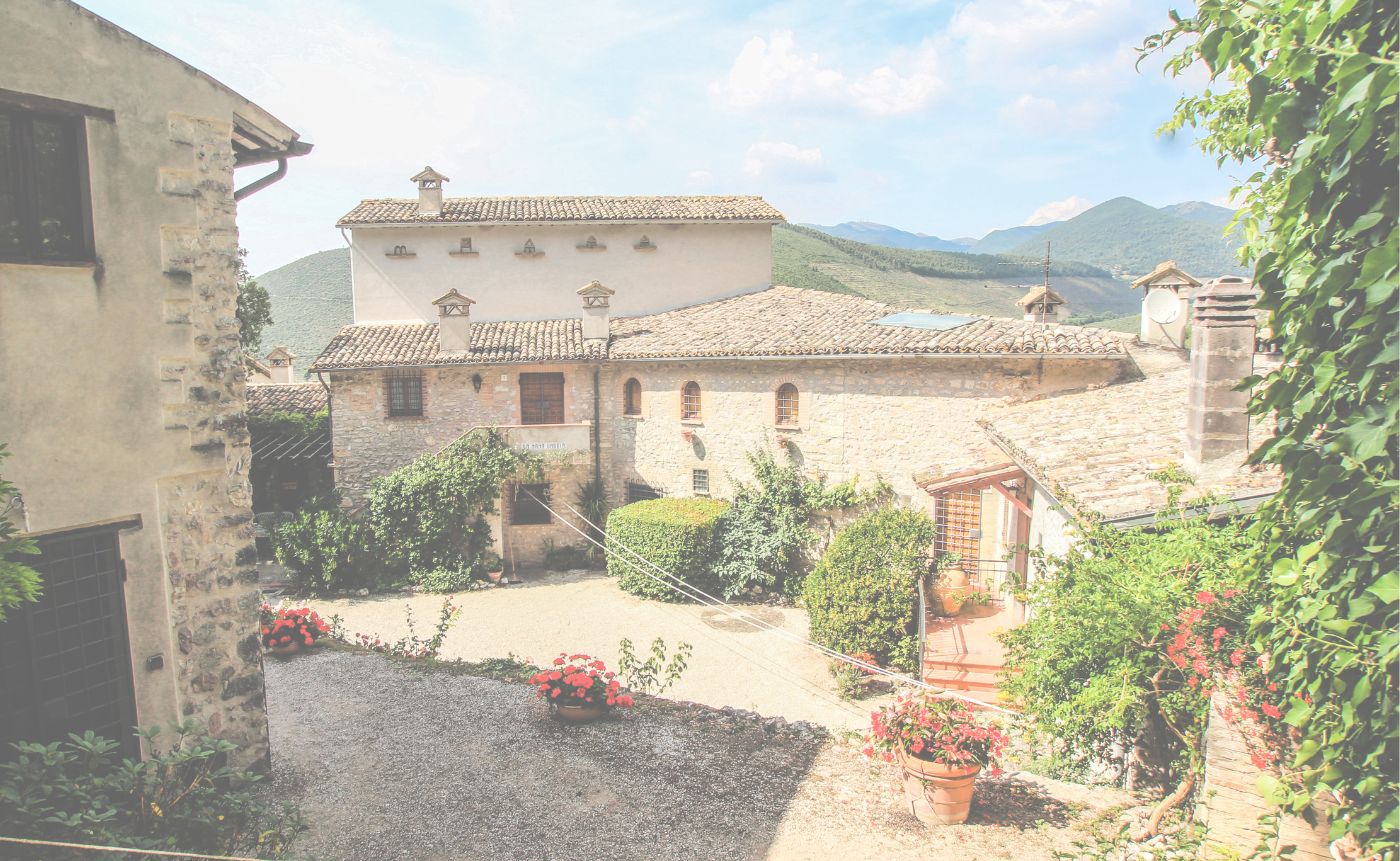
La MaMa Umbria International
Spoleto, Italy
La MaMa Umbria International is a non-profit cultural center and artist residence founded in 1990 by legendary theatre pioneer Ellen Stewart, housed in a restored 700-year-old monastery in Spoleto, Italy. For over 25 years, it has fostered cross-cultural and international exchanges through residency programs, intensive workshops, and symposiums led by internationally renowned theatre professionals. The center welcomes artists from around the world to create, collaborate, and experiment in a spiritually enriching environment.

Mahler & LeWitt Studios
Spoleto, Italy
The Mahler & LeWitt Studios in Spoleto, Italy, offers a residency program centered around the former studios of Anna Mahler and Sol LeWitt, providing a focused environment for artists, curators, and writers to develop new practices in dialogue with peers and the region's cultural heritage. It hosts three sessions per year in spring, summer, and autumn, each up to six weeks, with accommodation, studio space, and often travel funds, per diem, and materials budgets. The program includes special projects like music residencies and collaborations with events such as the Spoleto Festival.
Browse by discipline in Spoleto
Filter in Spoleto
Been to a residency in Spoleto?
Share your review