Artist Residencies in Beijing
5 residenciesin Beijing, China
Why artists choose Beijing for residencies
Beijing is still one of the strongest anchors for contemporary art in China. Residencies here plug you into a mix of institutions, galleries, and studio communities you rarely get in one place.
You might look at Beijing if you want:
- Institutional density: museums, art academies, universities, archives, foundations
- Curatorial and gallery access: especially around Caochangdi, 798/751, Chaoyang, and Haidian
- Serious research options: theory-heavy work, socially engaged projects, and writing-based practices fit naturally here
- Both city and outskirts: some residencies are deep in the urban grid; others sit in rural or semi-rural zones with mountain views and slower rhythms
- Connections to Chinese and international circles: a residency in Beijing often becomes a gateway to longer-term projects in China
The city is especially useful if your practice leans toward installation, video, photography, writing, curating, or any concept-driven work that needs conversations, context, and public engagement.
Key residency programs you should know
There isn’t a single central residency network for Beijing, so you usually piece together information from multiple sources. Here are some of the more visible, structured options mentioned in the research, plus what they actually offer artists.
Platform China / BIAP (Beijing International Artist Platform)
Location: East End Art District, in an emerging art zone in Beijing
Platform China hosts the BIAP residency, which is designed as an open, flexible platform. Proposals are considered case-by-case, which can be great if your project doesn’t fit a rigid template.
What it offers:
- About five studios, each around 50–70 m², in an emerging art community
- The possibility of an exhibition at BIAP Gallery during or after your stay (space is free; you typically cover materials and promotion)
- Connection to galleries and other venues in Beijing for those who want to show work beyond the residency
- Openness to artists, curators, writers, designers, researchers, academics
Who it suits:
- Artists who want both studio time and networking
- Project-based practices that can be framed as an exhibition proposal
- Curators and researchers who want to experiment while also building contacts
Practical angle: For Platform China, the gallery calendar is arranged several months ahead. You give them an exhibition proposal early so they can slot you in. If you need a clear end-point like a show, this structure can be very productive.
Inside-Out Art Museum Artist Residency Program
Location: Xingshikou Road, Haidian District
Inside-Out Art Museum sits in Haidian, away from the more commercial gallery clusters. Haidian is heavy with universities, research institutes, and tech zones, so the conversations here tilt toward theory, history, and critical discourse.
What it offers:
- A residency linked directly to a museum context
- Focus on visual art and conceptually driven practices
- Potential to connect with museum staff, curators, and visiting scholars
Who it suits:
- Artists who want to treat the museum as a research site
- Those working with archives, art history, or socially engaged projects
- Practices that benefit from proximity to universities and intellectual networks rather than purely commercial galleries
Practical angle: Check how the residency structures public outcomes. Some museum-linked programs emphasize process, research, and talks rather than a polished exhibition, which can be freeing if you’re in a development phase.
Galerie Urs Meile Artist-in-Residence (Beijing)
Location: Beijing (historically connected to the Caochangdi area)
Galerie Urs Meile runs an artist-in-residence program that gives visiting artists time to live and work in Beijing under the umbrella of a respected gallery.
What it offers:
- Space to work and live in Beijing, framed by a strong gallery context
- Emphasis on new concepts, experimentation, and critical discussion
- Potential for close dialogue with curators and gallery staff
Who it suits:
- Contemporary artists who want engagement with a gallery ecosystem
- Practices that benefit from critique, studio visits, and curatorial feedback
- Artists who are ready to show work at a high professional level
Practical angle: Gallery-run residencies can be more selective, but the exchange tends to be intense. This kind of setting is strong if you already have a mature practice and want to push it further in relation to Chinese contemporary art.
Huairou and Qiaozi Art Community
Location: Huairou District, about an hour north of Beijing
Huairou is rural compared with central Beijing: mountains, national parks, and parts of the Great Wall in reach. Qiaozi Art Community there hosts established artists, architects, and filmmakers, with artists like Shen Shaomin (linked to the 4A residency) and Qu Yan (linked to the XuCun residency) working from this area.
What it offers:
- A quieter, nature-oriented base for production and reflection
- Community of mid-career and established artists
- Access to nature reserves and village environments
Who it suits:
- Artists whose work responds to landscape, ecology, or rural-urban tension
- Practices needing distance from the city’s constant openings and traffic
- Those who want a retreat setting with the option to travel into Beijing when needed
Practical angle: Transport is more car-dependent. It’s smart to clarify how often the program organizes trips to the city and how you’ll move equipment or large works if needed.
Wudaokou-based programs: TASML & Global Exchange
Location: Wudaokou area, Haidian District
Wudaokou is student-heavy, surrounded by major universities and research institutes. Residencies and labs here, including TASML and Global Exchange, tend toward academic or tech-adjacent collaborations.
What they offer:
- Proximity to university labs, students, and researchers
- Potential for interdisciplinary or new media projects
- More experimental, research-driven setups
Who they suit:
- Artists working with science, sound, media art, or theory-heavy projects
- Those interested in collaborating with students or academic partners
- Practices that fit into lab or workshop formats
Practical angle: Expect life patterns shaped by university calendars and student schedules. Good if you enjoy talks, reading groups, and cross-disciplinary projects.
Beijing art districts: how they feel for residents
Choosing a residency in Beijing is partly about choosing your neighborhood. Each area has a different daily rhythm and access pattern.
Caochangdi Art District
Caochangdi has been one of the most important contemporary art areas in Beijing, mixing village structures with serious galleries and project spaces.
What you’ll find around here:
- Residencies and programs like Platform China and Gallery Urs Meile
- Photo-focused spaces like Three Shadows
- Galleries such as Pekin Fine Arts, Chambers Fine Art, Ink Studio, C Space, Galeria Continua, Tang Gallery, Shanghart, White Space, and others
Artist experience:
- Feels like a working village with growing art infrastructure
- Good for studio visits, casual meetings, and cross-pollination between local and international artists
- Plenty of restaurants and cafes that double as informal meeting spots
East End / Chaoyang and emerging art neighborhoods
East End Art District in Chaoyang houses some of Platform China’s studios and other developing art spaces. The vibe is more “emerging zone” than polished district.
What you’ll find:
- Studios, small galleries, and experimental spaces growing alongside apartment blocks and commercial areas
- Relatively easy access to other Chaoyang art zones like 798/751
Artist experience:
- Good if you want to be in a place that’s still forming, with room for new initiatives
- Useful if your work involves collaborations with other emerging spaces or artists
Haidian and Wudaokou
Haidian is framed by universities, research institutes, and tech. Wudaokou is its student center.
What you’ll find:
- Inside-Out Art Museum and its residency program
- Wudaokou-based initiatives like TASML and Global Exchange
- Academic environments, campus life, and a lot of young people
Artist experience:
- More lecture halls and lab buildings than white-cube galleries
- Good for research, writing, and theory-heavy practices
- Strong potential for collaborations with students, professors, and researchers
Huairou and outskirts
Huairou sits north of the city, surrounded by mountains, national parks, and parts of the Great Wall. Qiaozi Art Community is one of its creative pockets.
What you’ll find:
- Villages, studios, and homes of established artists
- A slower pace and more focus-friendly environment
- Access to rural communities and ecological sites
Artist experience:
- Strong sense of retreat and concentration
- More logistics planning if you need regular city visits
- Useful if your work benefits from walking, looking, and long stretches of uninterrupted studio time
Cost of living and working in Beijing
Beijing is not the cheapest city, especially in central districts, but a good residency can offset a lot of the cost.
Housing, studio, and daily life
Housing:
- Central and expat-heavy districts cost more
- Outer districts and village areas tend to be cheaper but require more commuting
- If your residency includes housing, your budget stretches much further
Studios:
- Renting independently can get expensive, especially near major art districts
- Residencies that provide studios remove a major cost and logistical barrier
Food and daily costs:
- Local food options keep costs manageable
- Imported groceries, specialty coffee, and nightlife can add up quickly
- Transport (metro, buses) is generally affordable compared with many Western cities
Materials and fabrication:
- Local production and fabrication can be cost-effective, especially for metal, wood, and printing
- Imported or niche materials can be expensive; plan ahead if your practice depends on them
For many artists, a Beijing residency becomes viable when the program covers at least housing and studio, with some support around exhibitions or production. Programs that offer none of these can still be useful, but you’ll want external funding or savings.
Getting around and daily logistics
Beijing is large, but transport is efficient once you learn the basics.
Transport basics
- Metro: Fast, cheap, and covers most major areas. You may still need taxis for the last stretch to some art districts.
- Buses: Dense network, slightly slower and more language-dependent, but useful for specific routes.
- Taxis / ride-hailing: Helpful when carrying artwork or materials, or late at night after openings.
- Rail and air: High-speed trains connect Beijing to other Chinese cities; international flight access is strong.
Residency-specific considerations:
- Caochangdi / East End / Chaoyang: Expect a combination of metro + taxi or ride-hailing.
- Haidian / Wudaokou: Metro access is decent, and many universities cluster around stations.
- Huairou / Qiaozi: More car-based; clarify transport options with the residency.
Visas and paperwork: questions to ask your residency
Visa and paperwork requirements can shift, and they often depend on the specific program and length of stay. Each residency may handle this differently, so you always want direct, current info from the host.
Key questions to ask the residency:
- What type of visa do they expect you to apply for?
- Do they provide an invitation letter or other supporting documents?
- Does the residency involve public presentations, exhibitions, or talks, and if so, is any extra paperwork needed?
- Are you allowed to receive stipends or fees under this visa type?
- How far in advance should you start the process, based on recent experiences of residents?
Some programs support you closely with documents and guidance; others expect you to manage visas independently. Clarify this early so you can build it into your timeline and budget.
When to be in Beijing as a resident
Seasonality matters here, both for comfort and for how you use your time.
More comfortable periods:
- Spring: milder temperatures, easier to explore districts and attend openings
- Autumn: also moderate, generally more pleasant for studio and city time
Less comfortable periods:
- Winter: cold and dry; studios can feel harsh if heating is limited
- Summer: hot and often humid; moving around the city with materials can be tiring
Many residencies work with seasonal cycles and plan exhibitions several months in advance, so when you apply, ask how your preferred season lines up with their programming.
Art communities, events, and how to connect
A big part of a Beijing residency is what happens outside your studio. The city’s districts have distinct social and professional ecosystems.
Key communities and networks
- Caochangdi: A long-standing hub for studios, galleries, and residencies, with a relaxed village feel and serious art infrastructure.
- Haidian: Driven by museums and academic institutions, good for theory, writing, and research-heavy projects.
- Wudaokou: Student and researcher community, with options for experimental, interdisciplinary, or media-based work.
- Huairou / Qiaozi: Artist community in a rural environment, good for reflection and long-term projects.
Museums and galleries to keep on your radar
Depending on your practice, these spaces are worth visiting, contacting, or at least understanding:
- CAFA (Central Academy of Fine Arts and its museum)
- UCCA
- Pace Gallery
- Long March Space
- Space Station
- Beijing Commune
- Faurschou
- Magician Space
- Pekin Fine Arts
- Chambers Fine Art
- Ink Studio
- Ying
- Video Bureau
- C Space
- Galerie Continua
- Tang Gallery
- Shanghart
- White Space
Visiting these spaces while in residence gives you a sense of how your work sits within current conversations in China and internationally.
Open studios and art events
Beijing’s art zones often host:
- Gallery openings and previews
- Open studio days
- Artist talks and panel discussions
- Project launches and performance events
Ask your residency how they plug residents into this calendar. Some programs actively introduce artists to curators and local peers; others are more hands-off, so you build connections yourself by visiting spaces and showing up regularly.
Choosing the right Beijing residency for your practice
To narrow things down, match your needs to what each area and program naturally offers.
Beijing residencies might be ideal if you want:
- Strong links to museums, galleries, and universities
- Access to a dense art network with curators, artists, and institutions
- A mix of urban intensity and, if you choose, quieter retreat-style environments
- The potential to exhibit or present work during or after your stay
- Space to push research, writing, or concept-driven projects
Beijing might be less ideal if you need:
- A very low-cost stay without housing support
- A compact, walkable artist village where everything is on one street
- A residency that manages all logistics completely for you, including visas and funding
Before you apply, it helps to make a simple checklist:
- Do you need a studio or can you work from a laptop and camera?
- Do you need quiet, or is constant activity helpful?
- Are you aiming for a public outcome (exhibition, talk, publication) or focusing on development and research?
- How much fieldwork or travel inside China do you hope to do during your stay?
- What kind of network do you want to leave with: curators, academic contacts, fellow artists, or all of the above?
Once you have those answers, matching yourself with Platform China, Inside-Out, Urs Meile, Huairou-based communities, or Wudaokou-style programs becomes much easier. You’re not just choosing a city; you’re choosing the specific version of Beijing that will support your work right now.

Galerie Urs Meile
Beijing, China
The artist-in-residence program at Galerie Urs Meile in Beijing offers visiting artists, particularly emerging and established Western artists, the opportunity to live and work in the city's vibrant art scene for periods typically ranging from one to six months. It provides a 200 m² residential and working space within an Ai Weiwei-designed complex in the Caochangdi art district, fostering networking, critical discussions, and the development of site-specific projects. The program stimulates new artistic perceptions through immersion in China's cultural environment.
Inside-Out Art Museum
Beijing, China
Contemporary art museum in Haidian District, Beijing, focusing on Chinese and international artists. Offers artist residency for emerging visual artists and curators with shared studios and housing.

Institute for Provocation
Beijing, China
The Institute for Provocation (IFP) is a Beijing-based independent art workspace, think tank, and curatorial platform that hosts artist residencies focused on the thinking and research process before artwork creation, emphasizing cross-disciplinary and cross-cultural provocations. It supports research, workshops, lectures, and experiments stretching borders between art, architecture, design, and other fields, introducing international artists to local networks since . Residencies provide shared studios and housing in central Beijing's Dongcheng district.
Platform China
Beijing, China
Platform China Contemporary Art Institute, established in in Beijing's Caochangdi Art District, is a non-profit art experimental space dedicated to creating a platform for artistic communication and dialogue between China and the international community. The residency provides artists, curators, writers, designers, researchers, and academics with opportunities to live and work in China, with five fully equipped studios (50-70 sqm) located in emerging art districts. Participants have the possibility of exhibiting at BIAP gallery during or by the end of their residency at no charge, with staff assistance in contacting other exhibition venues across Beijing, Shanghai, and other major cities.
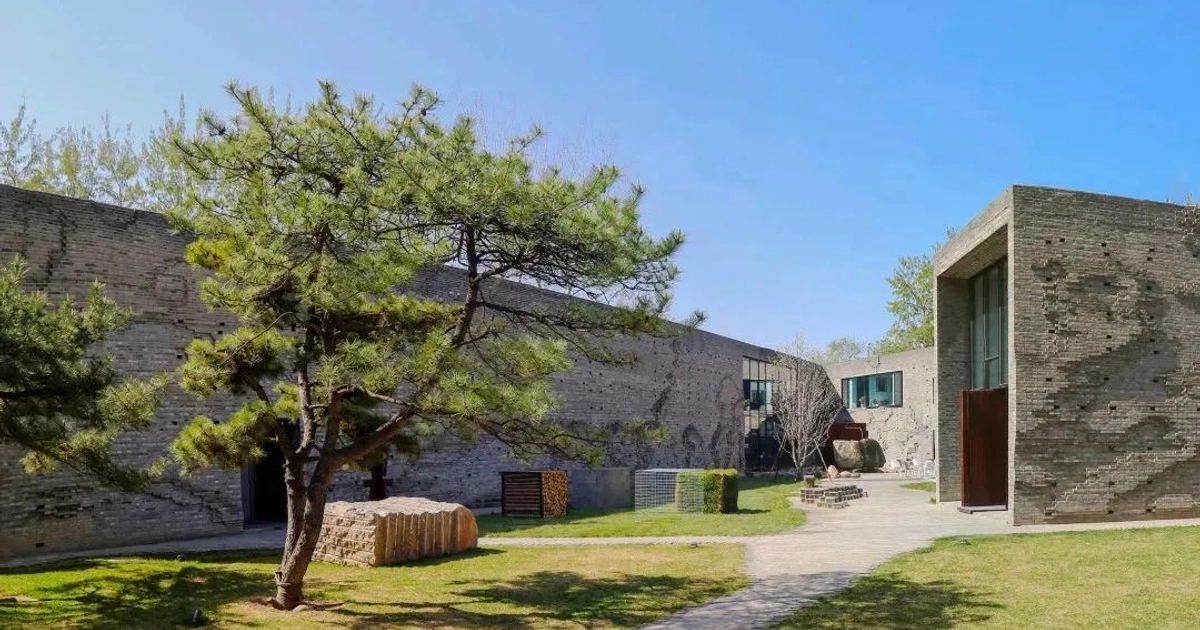
Three Shadows Photography Art Centre
Beijing, China
The Three Shadows Photography Art Centre Artist-in-Residency program in Beijing supports international photographers, artists, curators, and academics focused on photography and video/new media art, offering facilities for living and working in the Caochangdi Art District. Participants receive access to fully furnished quarters, darkrooms, studios, and project support, with opportunities for exhibitions, workshops, and master classes. Founded in by RongRong and inri, the centre provides a comprehensive environment including exhibition halls, a photography library, and publishing house.
Browse by discipline in Beijing
Filter in Beijing
Been to a residency in Beijing?
Share your review