
City Guide
Berlin, Germany
A practical guide for artists visiting or doing a residency in Berlin
AI-assisted content — reviewed by our editorial team
Why Berlin is Special for Artists
You'll feel right at home in Berlin as an artist because this city pulses with creative energy that's accessible and affordable. It's a place where experimentation thrives—think raw spaces turned into galleries overnight, interdisciplinary collaborations, and a history of counterculture that still shapes daily life. Berlin welcomes artists from everywhere without pretension; you can show up with your practice and find community instantly. The post-Wall reunification opened up abandoned buildings for squats and studios, creating a legacy of freedom that's hard to match elsewhere. Whether you're painting, performing, or making sound art, Berlin's supportive ecosystem lets you focus on your work amid a mix of global influences.
Berlin's Art Scene and Key Neighborhoods
Berlin's art scene spreads across neighborhoods, each with its own flavor. Start in Kreuzberg, the heart of alternative art. Graffiti-covered walls lead to spots like Urban Spree, a massive complex with street art, studios, and events in a former brewery. Check out SO36 for club nights that double as performance venues, or the Turkish Market on Tuesdays and Fridays for people-watching inspiration. Galleries here mix established names like Galerie Barbara Weiss with pop-ups.
Head to Neukölln for an edgier, up-and-coming vibe. It's where young artists flock for cheap rents and diverse communities. LiTE-HAUS in Neukölln hosts residencies with exhibitions, offering workspaces and critiques in a professional yet relaxed setup. Temakinho area buzzes with bars that host open mics and installations. Don't miss Galerie Nord/Kunstverein or the monthly gallery nights on Weserstraße.
Prinzessinnengarten in Kreuzberg-Moritzburg is a community garden turned art hub—perfect for site-specific projects or eco-art. For something institutional, Künstlerhaus Bethanien in Kreuzberg stands out. This international residency spot houses over 20 artists at a time, fostering dialogues through exhibitions and workshops. It's grantee-based, partnering with orgs like Contemporary at Blue Star for three-to-12-month stays with live-work studios.
In Mitte, the central district, you'll find polished galleries like KW Institute for Contemporary Art or Galerie Eigen + Art. It's touristy but essential for networking—visit during Gallery Weekend in April or Berlin Art Week in September. Friedrichshain offers raw energy with RAW-Gelände, a street art mecca hosting festivals and markets. Across the river in Treptow, Holzmarkt is a floating village of artist-run spaces, clubs, and theaters.
Resources abound: Berlin Art Link lists residencies and open calls, while apps like Visit Berlin guide you to events. Join Facebook groups like "Berlin Art Residencies" or "Studios for Rent Berlin" for insider tips. The Uferstudios in Wedding focus on dance and performance, with public shows you can attend.
Standout Galleries and Events
- Urban Spree (Kreuzberg/Friedrichshain): Street art, live music, and artist markets—ideal for spontaneous collabs.
- Galerie Barbara Weiss (Kreuzberg): Contemporary shows with international edge.
- KW Institute (Mitte): Cutting-edge exhibits and talks.
- Hamburger Bahnhof (Mitte): Museum for contemporary art in a vast train station space.
- Events: Club der Politischen Schönheit for activist art, or Transmediale for digital media.
Practical Tips for Your Stay
Cost of Living
Berlin remains one of Europe's most budget-friendly art capitals. Expect €800-1,200/month for a shared WG (Wohngemeinschaft, or flatshare) in Kreuzberg or Neukölln via WG-Gesucht.de. Solo studios run €1,000-1,800, but artist shares drop to €500-800. Groceries at Lidl or Netto cost €200-300/month; eat döner kebabs (€3-5) or falafel for cheap fuel. A monthly public transport pass (AB zone) is €49, covering buses, trams, U-Bahn, and S-Bahn—buy at machines or the BVG app. Beer in a bar? €3-4. Total living: €1,200-1,800/month if frugal. Inflation has nudged prices up, so book housing early.
Getting Around
Bike everywhere—call a Citi Bike (€4/day) or buy a used one on eBay Kleinanzeigen for €100. Public transit is reliable 24/7; Google Maps integrates it perfectly. Walk neighborhoods to discover hidden ateliers. Airports: Tegel is closed; use BER (Brandenburg), then RE9 train to center (30 min, €4). From Hauptbahnhof, trams fan out to art districts.
Finding Studios and Supplies
Rent studios via Berlin Art Link's listings or Tacheles remnants like those at Clärchens Ballhaus area. SomoS Arts offers residencies with accommodation for visual artists, curators, researchers (check open calls for Jan-Mar 2026). Berlin Art Institute's Studio Program provides blocks like May 2026 with lectures and visits. Materials: Boesner in Neukölln for paints and canvas (huge discounts); Cass Art or local Fleamarkets for bargains. Join Betahaus or Factory Berlin co-working for €200/month with maker spaces.
Visa: EU artists stay freely; others get 90-day Schengen or apply for artist visa via Auswärtiges Amt (need invitation/portfolio). Health insurance: EHIC for short stays, or TK public for longer (€100/month).
Artist Residencies in Berlin
Berlin hosts world-class residencies tailored for you. Explore reviews on Reviewed by Artists before applying. Key ones:
- SomoS Arts Berlin: For artists/curators/researchers, with accommodation (Jan-Mar 2026 open now).
- Künstlerhaus Bethanien: International studios in Kreuzberg, 3-12 months, exhibitions included. Partners with US programs like Contemporary at Blue Star (2026-27 cycles).
- LiTE-HAUS (Neukölln): Intensive April 2026 residency + exhibition, with guidance.
- Berlin Art Institute Studio Program: Blocks in 2026 with workshops and networking.
- More via Berlin Art Link or Artenda.
Apply early—deadlines fill fast. These programs provide studios, stipends (like $2,000 travel aid), and Berlin connections to boost your practice.
Pack light, stay flexible, and let Berlin's chaos spark your next series. You've got this.
Residencies in Berlin
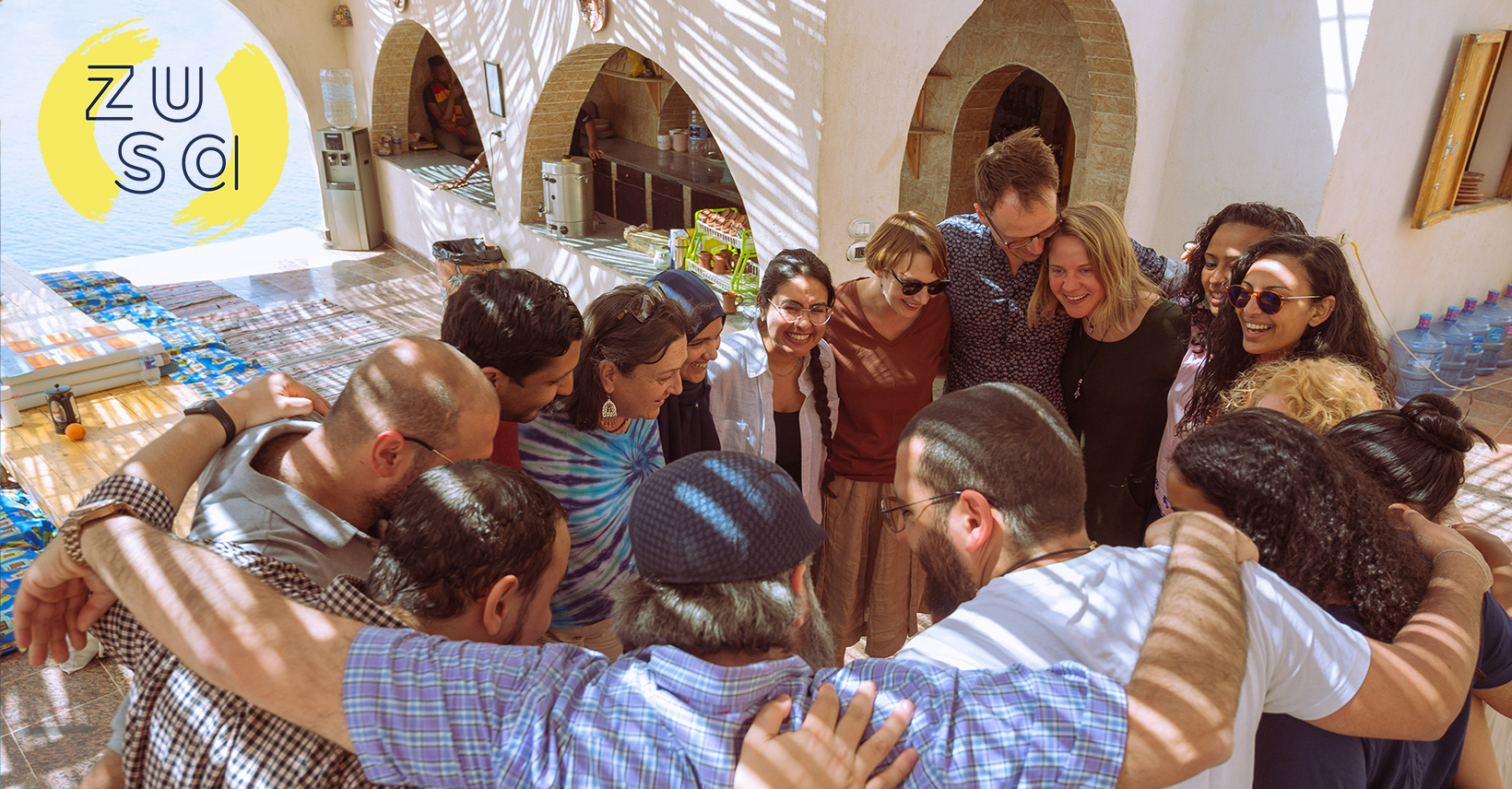
AiR zusa
Berlin, Germany
AiR zusa is a non-product-oriented residency program in Berlin designed to provide artists, cultural managers, curators, and arts and culture activists from Ukraine and other countries at risk with a safer space for rest, mental health support, and professional resilience-building. The program emphasizes process, self-reflection, and personal growth rather than artistic output, offering participants time to heal and reconnect with local and international cultural networks.
American Academy in Berlin
BERLIN, Germany
The American Academy in Berlin is a private, nonprofit institution offering semester-long residential fellowships to American scholars, artists, writers, composers, and journalists for advanced independent research and creative work in the arts, humanities, social sciences, and public policy. Fellows reside at the Hans Arnhold Center on Lake Wannsee and engage in transatlantic dialogue through public lectures, readings, performances, and discussions.

Bauhaus Earth
Berlin, Germany
The Experimental Fellowship at Bauhaus Earth is an international program designed for emerging practitioners in architecture, design, engineering, and interdisciplinary fields aiming to explore sustainable, regenerative approaches to the built environment. Hosted by Experimental, a Berlin-based non-profit founded by architect Prof. Regine Leibinger, the program supports fellows through financial assistance, mentorship, and access to a collaborative network. The fellowship emphasizes open-ended, practice-led research that results in tangible prototypes or architectural fragments integrating ecological and social concerns. Bauhaus Earth offers a supportive environment that connects fellows with workshops, expert advisors, and public engagement opportunities in Berlin and Brandenburg. Projects are developed in mutual collaboration with the program team and relevant stakeholders. Fellows gain visibility through exhibitions, publications, and public programming. The initiative bridges research and real-world application to rethink how architecture can contribute to sustainable futures. With a focus on material innovation, local ecosystems, and circular practices, Bauhaus Earth fosters experimental design practices that push boundaries in the architectural field.